
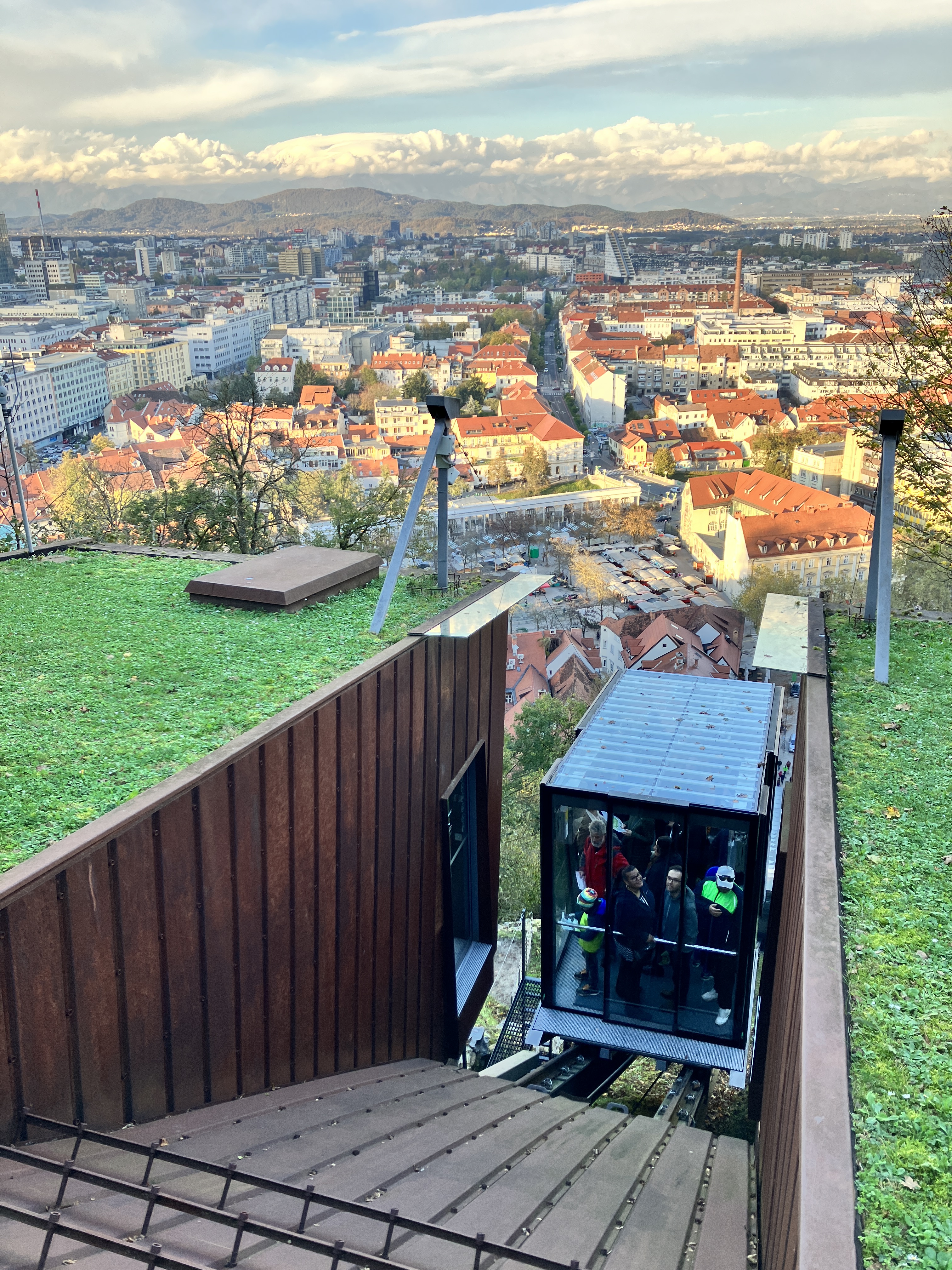
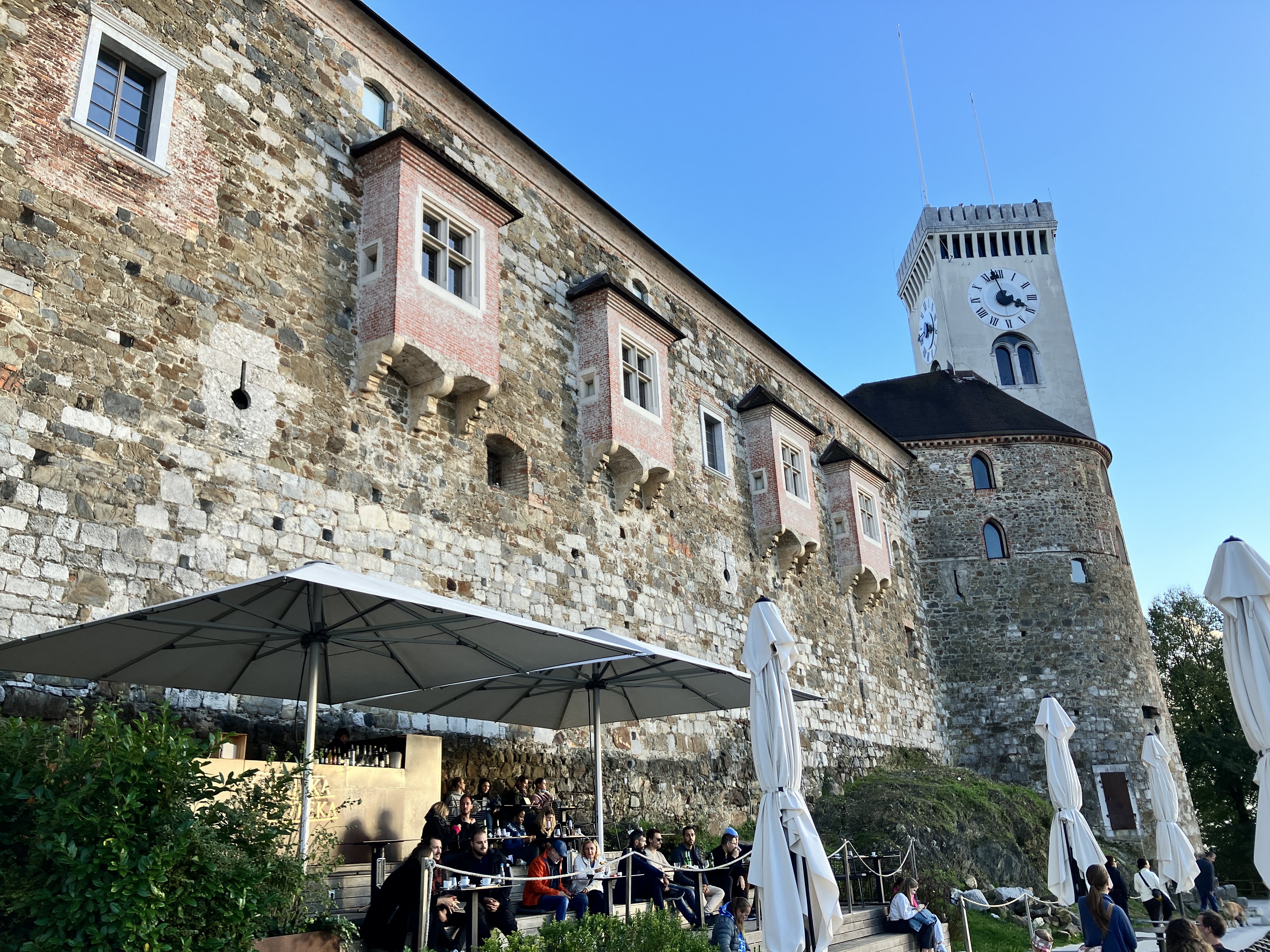
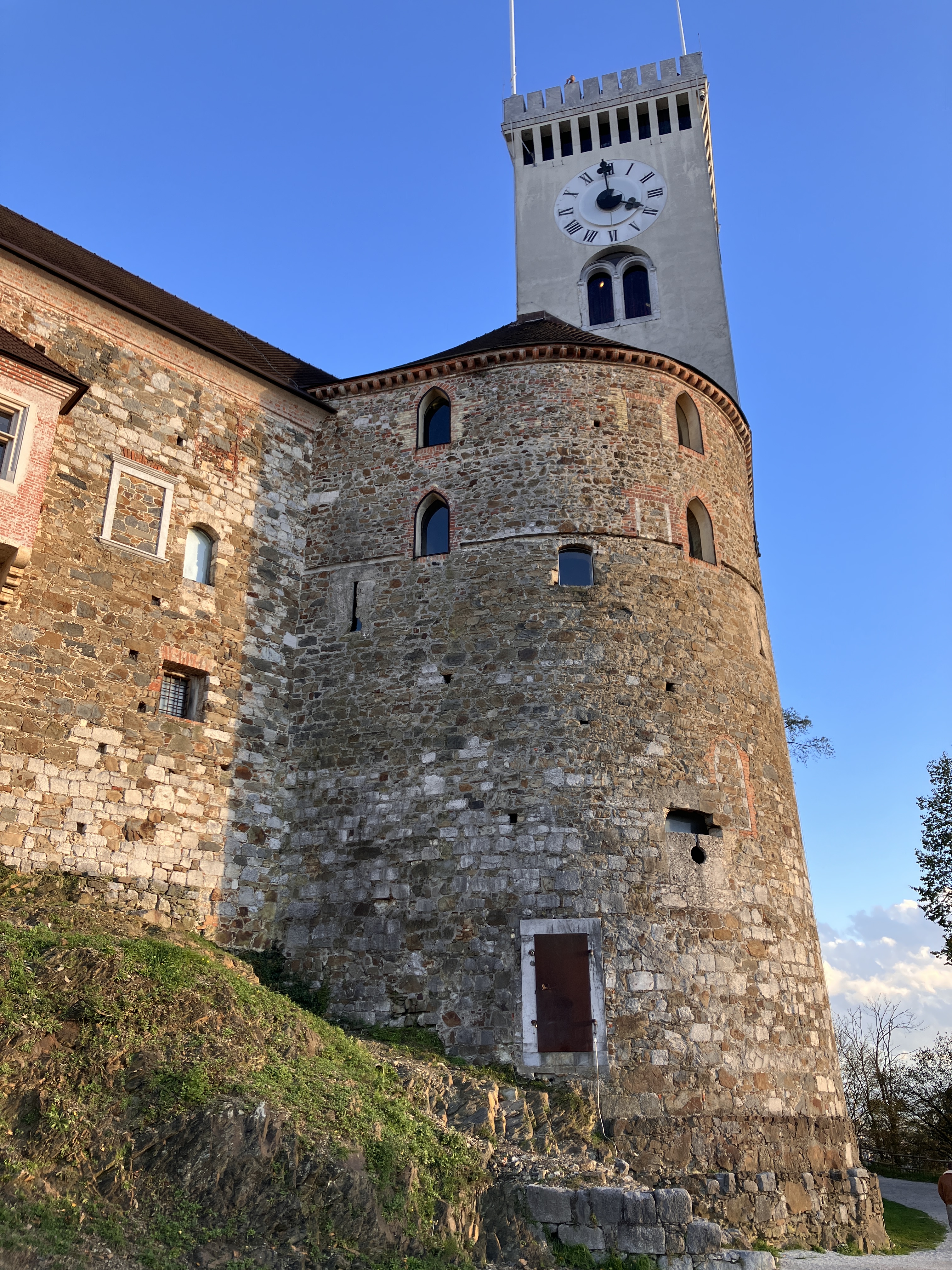
As I mentioned in my last post, we’ve been enjoying all of the wonderful things that Ljubljana has to offer, including Ljubljana Castle, which is the majestic 11th century castle that overlooks the old town. The castle has been beautifully restored into an elegant blend of old and new and is now home to a museum, theater, jazz club, and several restaurants. A funicular has even been added for those who don’t want to endure the steep climb up. We spent one rainy afternoon roaming the entire castle complex, sipping coffee, and exploring its interior.
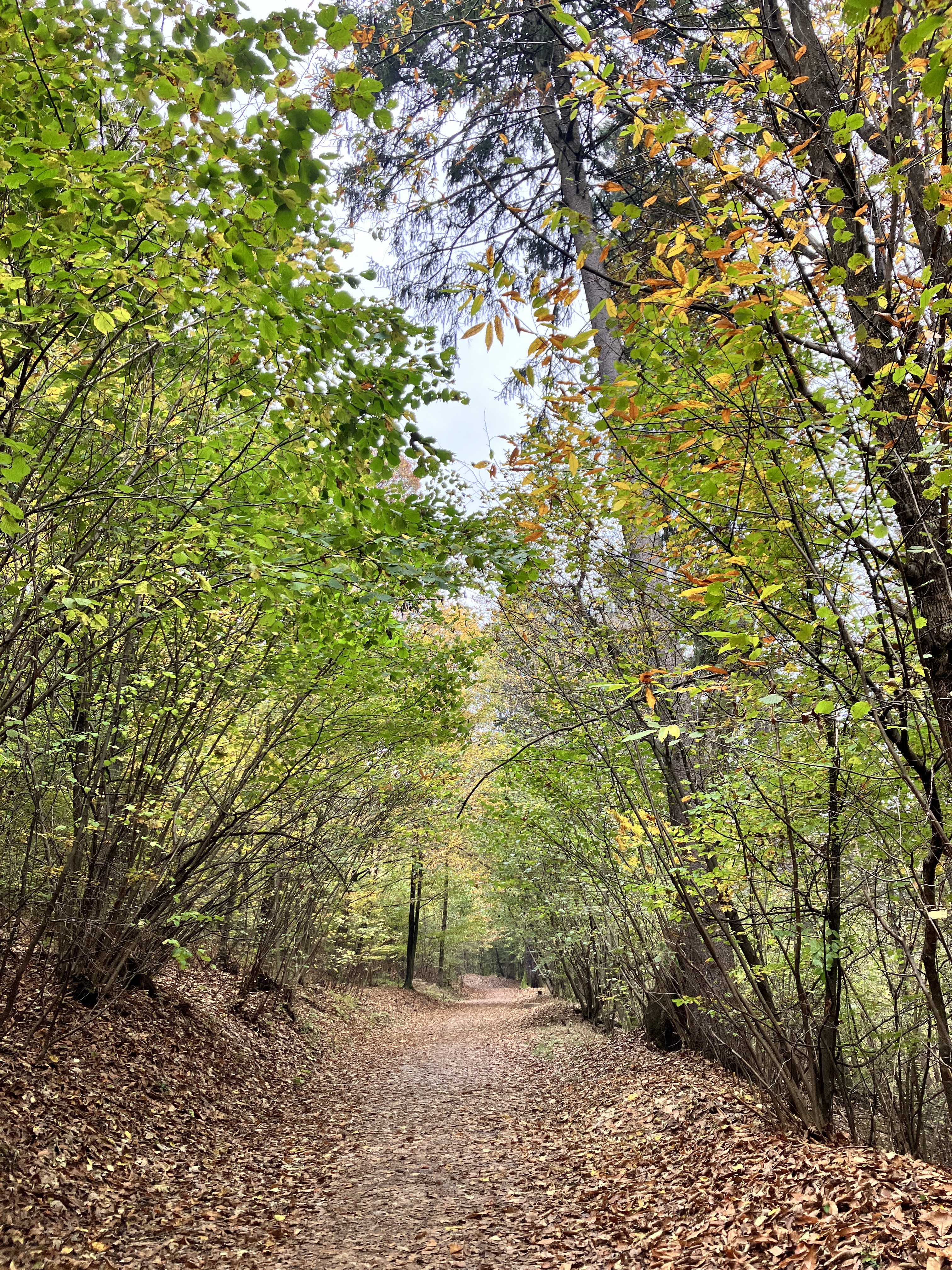
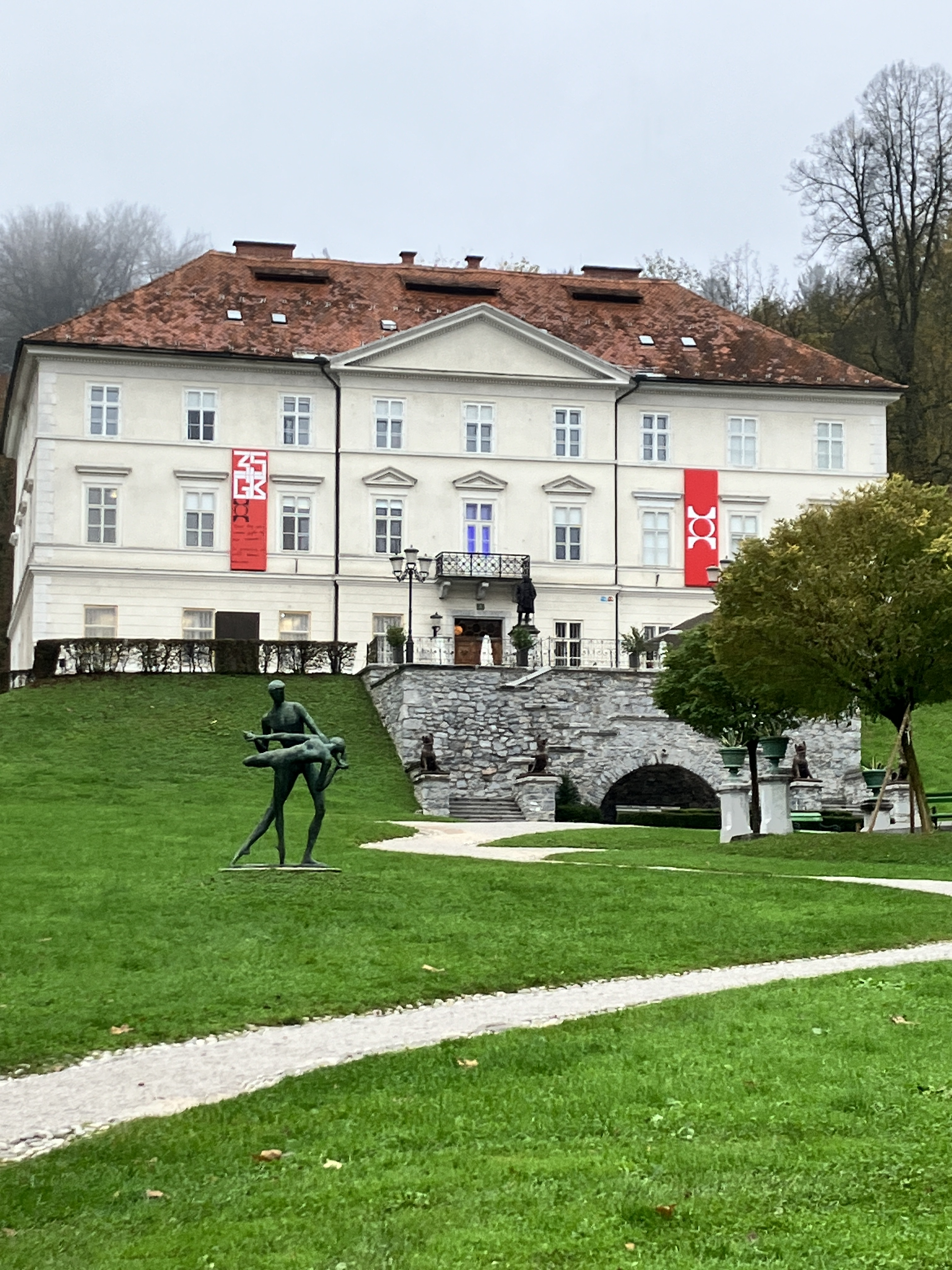
Ljubljana also has a number of wonderful museums (we enjoyed the Contemporary and Modern museums) and Tivoli Park, a beautiful inner city park that is the largest green space in the city. The park offers a zoo, a ski jumping school, and a few mansions that have been converted into museums. Though the entrance of the park is manicured and flat, it connects to Roznik Hill, which has a number of forested hiking trails that reminded me of Forest Park back home. We spent one cold morning exploring many of the trails.

Ljubljana has a lot to offer to any visitor, but there are more substantial things to appreciate about the country of Slovenia, some of which we can stand to learn from. In my last post, I mentioned that Ljubljana was voted Europe’s “green capital” in 2016. In addition, Slovenia has made a huge commitment to universal education—if you’re Slovenian or from any EU country, higher education at a public university is free. Yes, you read that right. If you want to attend a private university (or if you do not come from the EU), then tuition is still affordable and can be as low as 2000 euros per year, depending on the university and the degree program. Apparently, many people take advantage of this amazing perk—Ljubljana University has nearly 40,000 students enrolled—when combined with the students from other institutions, that means there are upwards of 50,000 students in Ljubljana alone (in a city of only 300,000 people!). The large student population may very well explain all the visible signs of angst that I mentioned previously.
Speaking of which, let’s talk graffiti. There’s a great deal of it here, some of it low-level tagging, some political, and some of it quite lovely. This brings me to one of the “sights” of Ljubljana: Metelkova. This is a part of town that once used to be a military headquarters and barracks for the Yugoslavian People’s Army. After the dissolution of Yugoslavia in 1991, it was abandoned and became a “squat,” after which it was turned into an autonomous social center used for creative purposes (i.e., it’s an area of town known for its graffiti and funky art). I have a particular fondness for street art—I love its grit, creativity, and also how it can reflect the political and social pulse of a given place—so when I’m in a city that’s known for it, I eagerly seek it out. However, this means I’ve seen some exceptional street art by now, so my bar is a little high. That being said, while I enjoyed strolling through Metelkova, I was a little disappointed with how much random tagging there was, some of which detracted from the actual art and resulted in a more chaotic feel. Nevertheless, there were some high points:

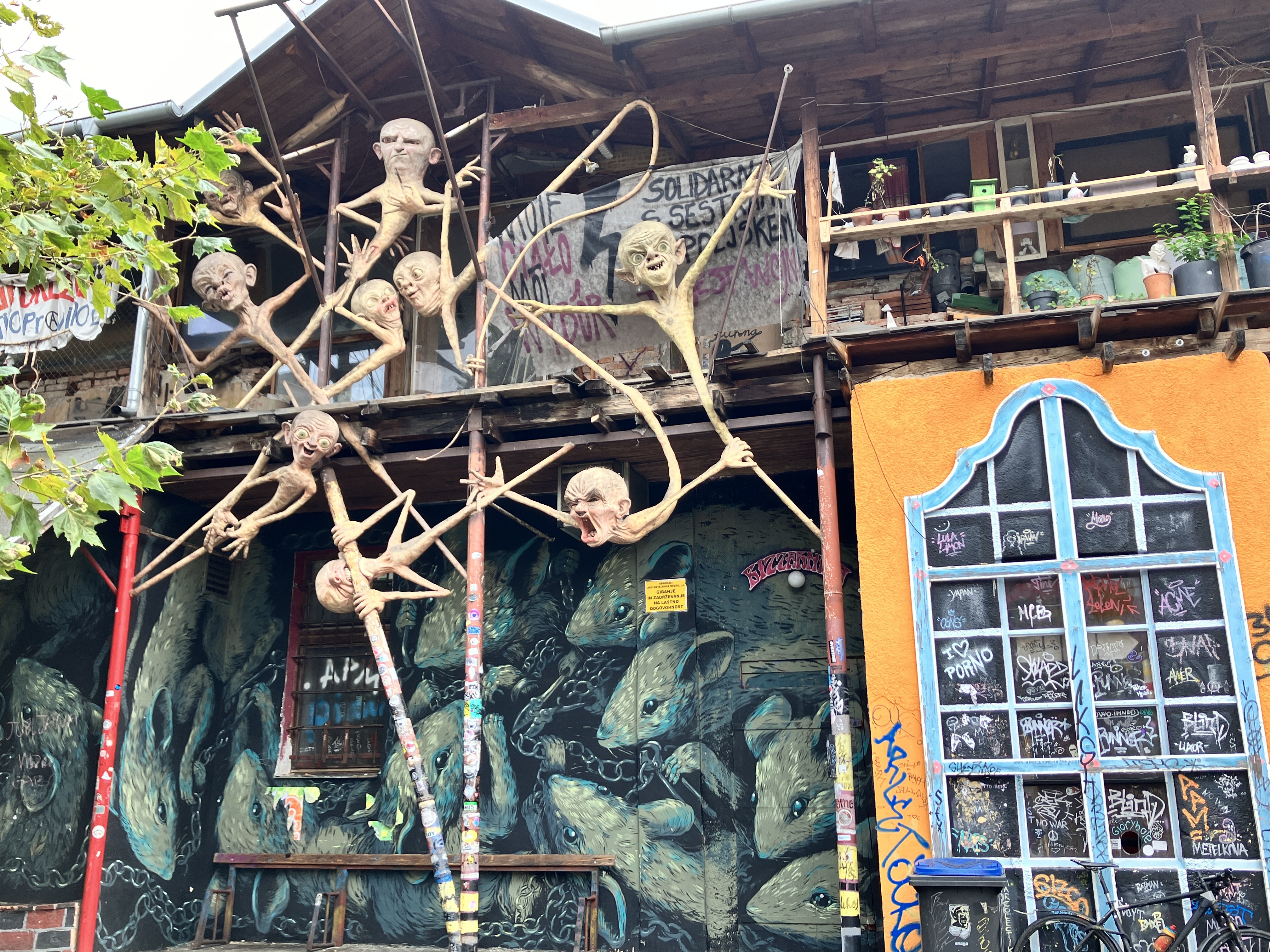


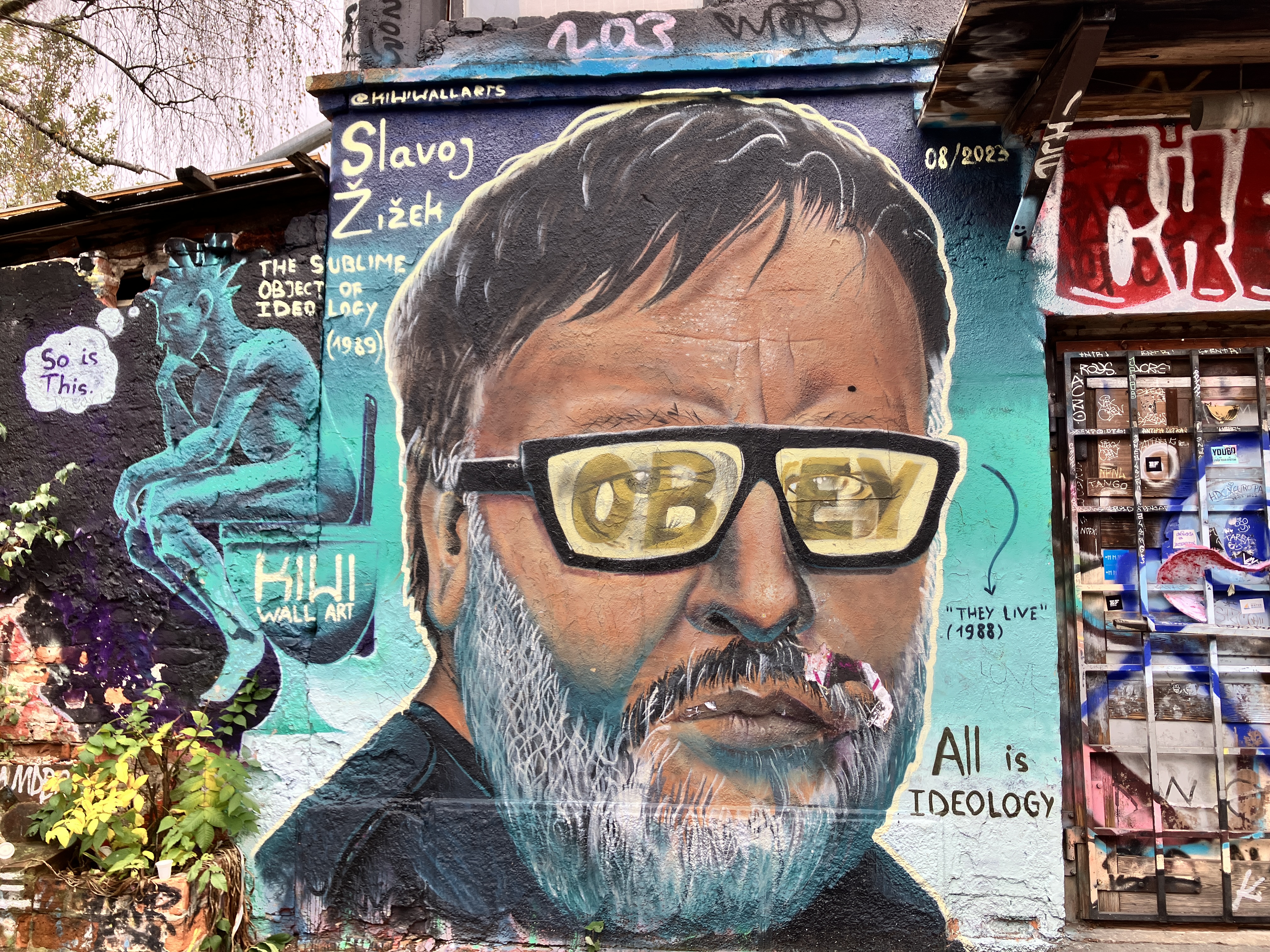
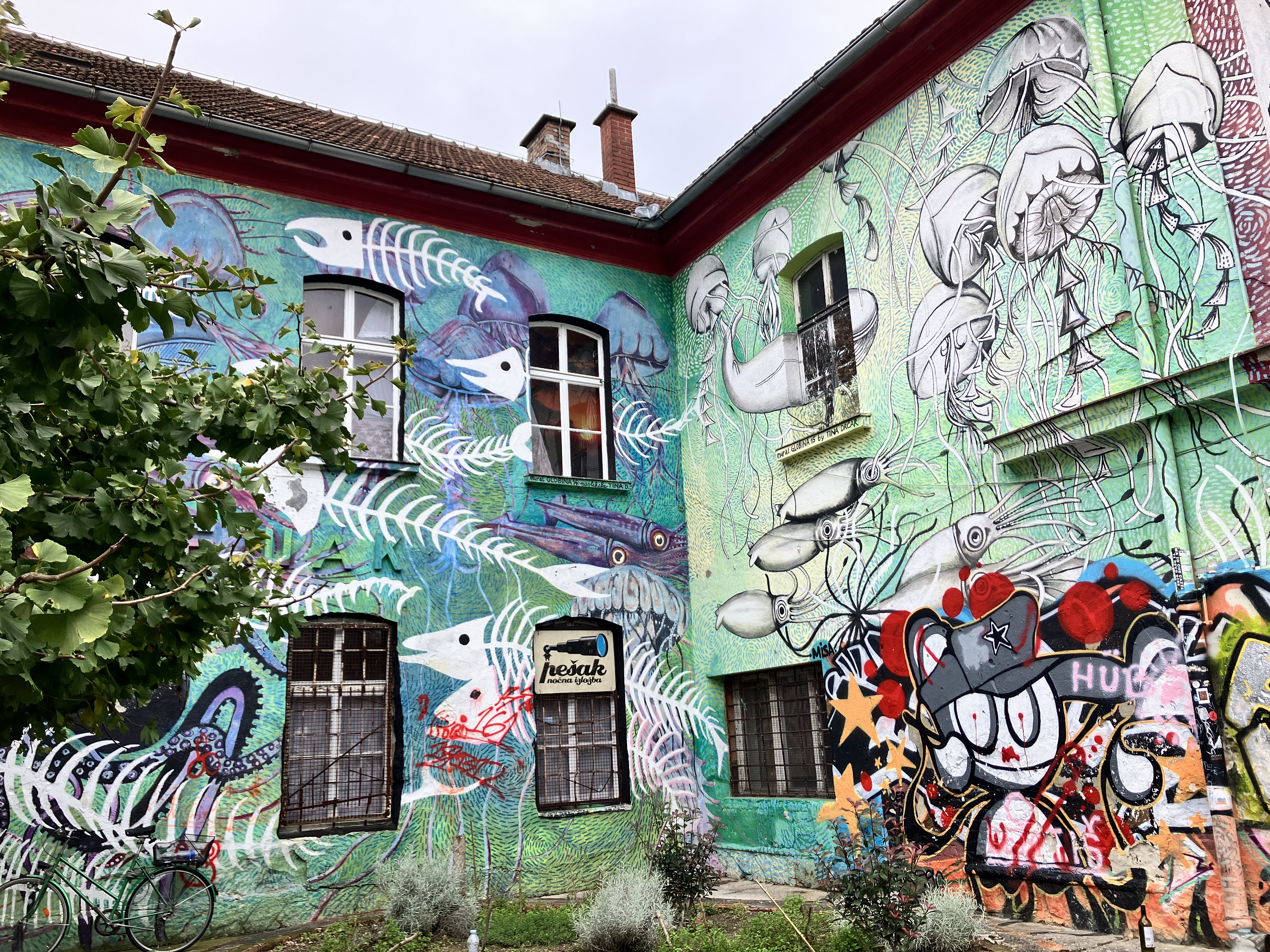
Finally, as seems to be our normal routine, after several days of city-based sightseeing, we sought a bit of refuge in the form of day trips. Here’s a snapshot:
Lake Bled
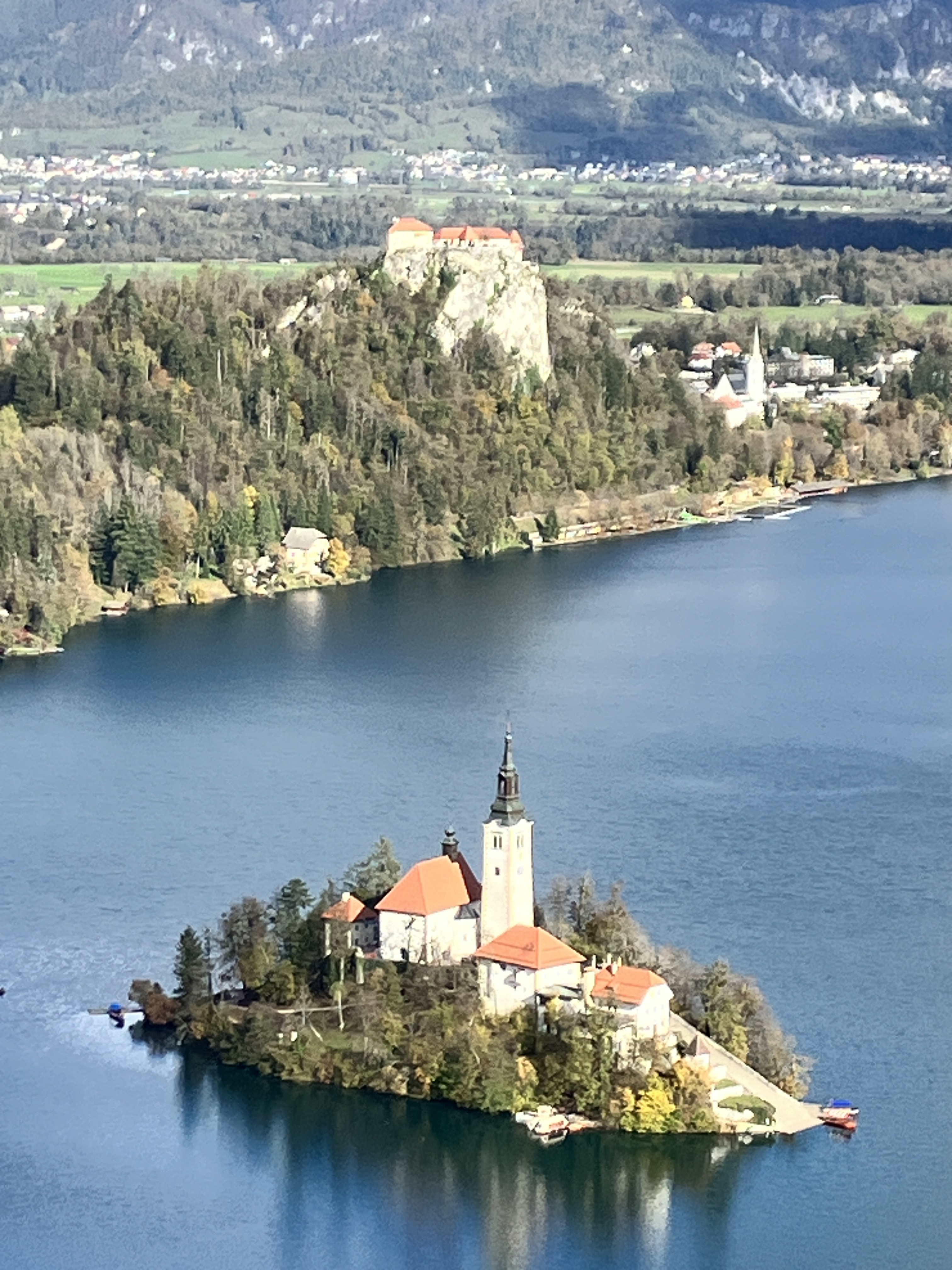
Our first trip was to Bled, which is a little medieval town about an hour away from Ljubljana. It’s Slovenia’s most popular destination due to the astounding beauty of Lake Bled, which has Slovenia’s only natural island in its center upon which a 17th century church was built. Overlooking this lake is Slovenia’s oldest castle (Bled Castle), which was built in the 11th century, and beyond the castle and town is a view of the Julian Alps. It’s a breathtaking sight to see, particularly from a high vantage point when you can take it in all at once. We did some hiking around the lake and beyond—navigating rocks and streams as we went—to find the perfect spot. It was worth the effort.


Skofja Loka
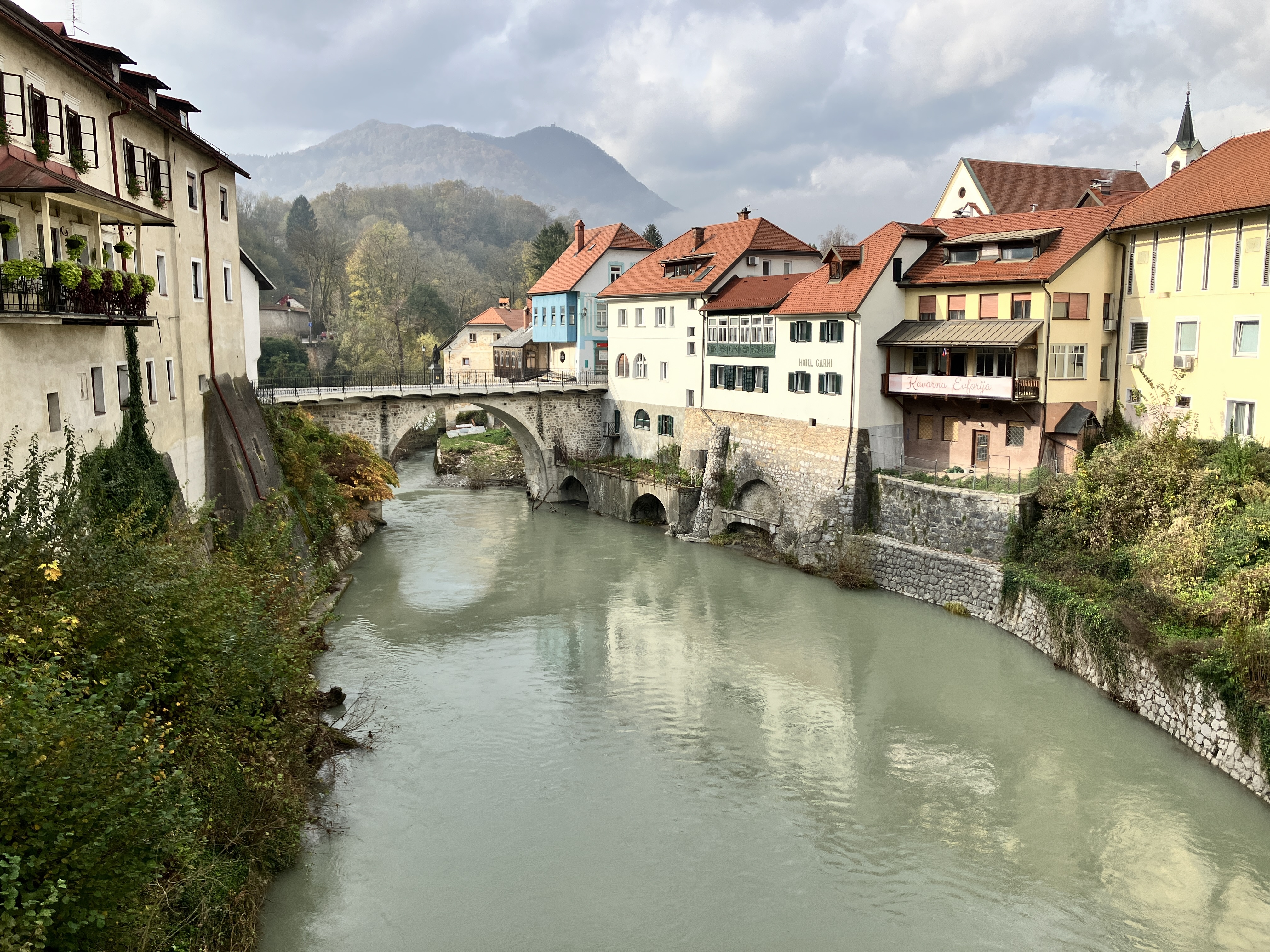
Skofja Loka was our other day trip. It’s an easy 40-minute bus ride from Ljubljana and well worth the trip. It’s considered one of Europe’s best preserved old towns, whose earliest mention in historical records dates back to the year 973. Loka Castle, which dates back to the 13th century, sits upon a hilltop looking over the picturesque little town. There’s a hike to castle ruins that you can do from the castle and I so wanted to do it, but sadly I’m nursing a strained hamstring and needed to take it easy (the result of so much uphill hiking, I assume). Instead of hiking, we strolled all over town, sipped coffee, ate delicious food, then walked over to Pustal, a “rival” town just across the river.



That was our visit to Slovenia in a nutshell. We got lucky with the rain while we were there, but less lucky with the cold. Now we return to Croatia and go further south to Dubrovnik, where there is less frigid climes…




 tales of wander
Leave a comment