
After the bike tour I headed to Vilnius, Lithuania’s capital and home of the largest medieval old town in Northern Europe. I arrived at my apartment and began unpacking my things. Opening a bathroom cabinet, I discovered an unexpected item for an Airbnb: a huge tube of Voltaren (arthritis ointment). It’s like they knew I’m coming off a bike tour. I’m thinking: have I really gotten old enough to get excited over this? Yes. Yes, I have.
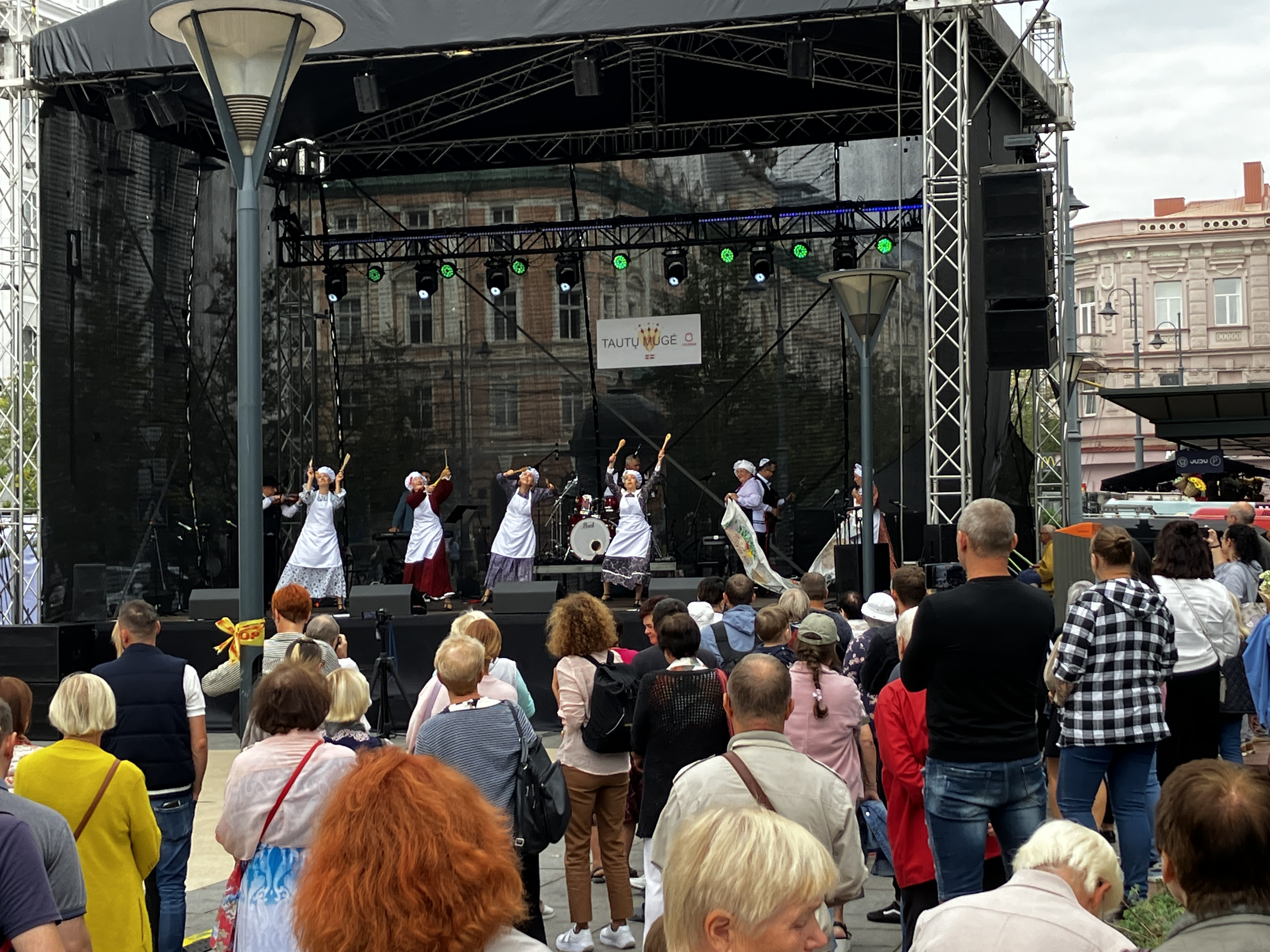
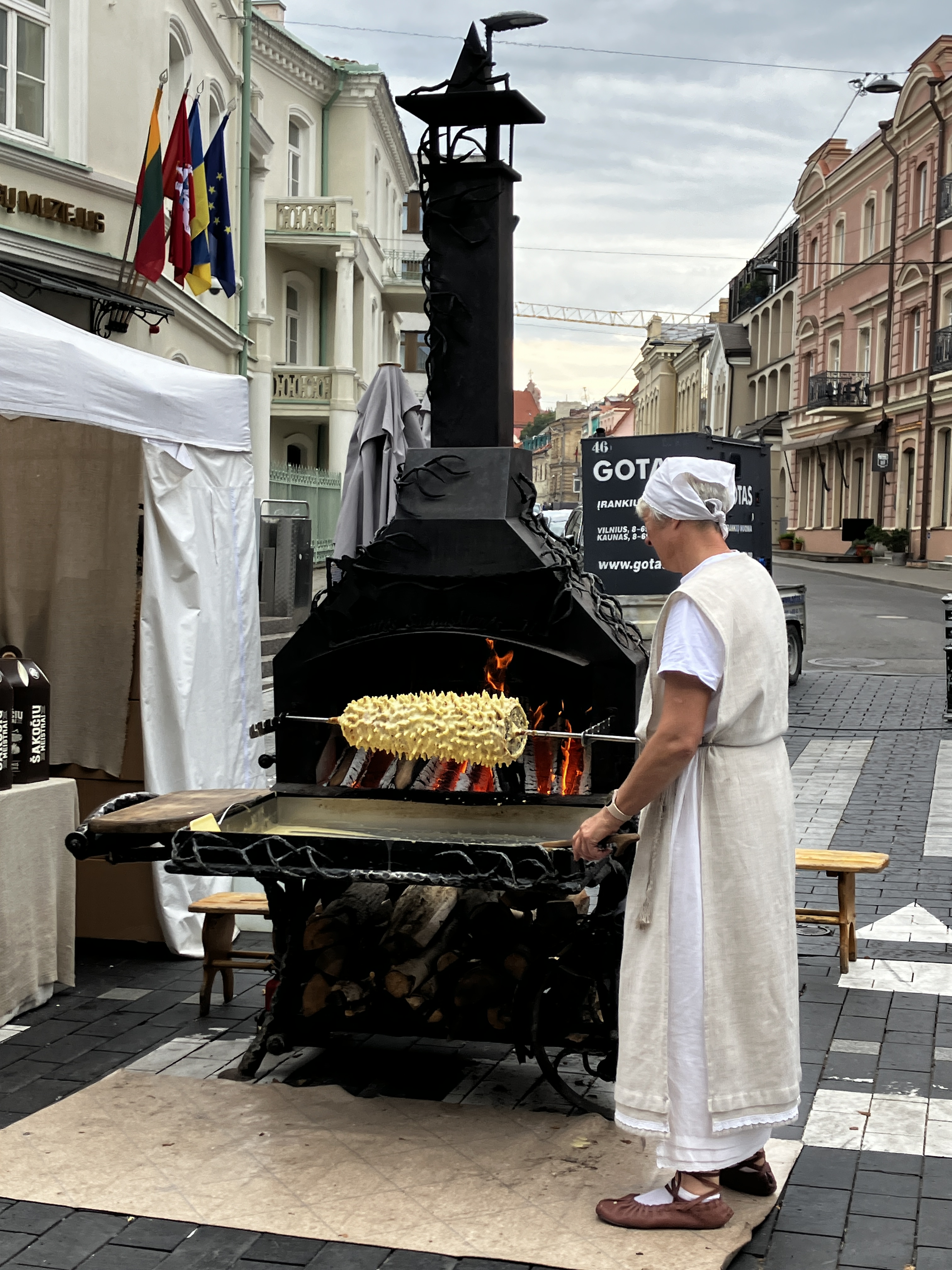
It’s nice to be on my own schedule again and move at a slower pace—it means I can ease into my “travel” routine, which is a blend of my home routine (to help me feel grounded), plus all the things that normally grab my attention when I’m abroad, like sightseeing, trying new foods, finding the best coffee, and art (in no particular order). Fortunately, I arrived just in time to enjoy the “Nations’ Fair,” which combined all of these things and more. It’s an annual event held in September that celebrates the different nationalities that live in Lithuania. There’s dance, music, and the largest street fair I’ve ever seen, with food stands and arts & crafts stretching for an endless number of blocks on the town center’s busiest road.



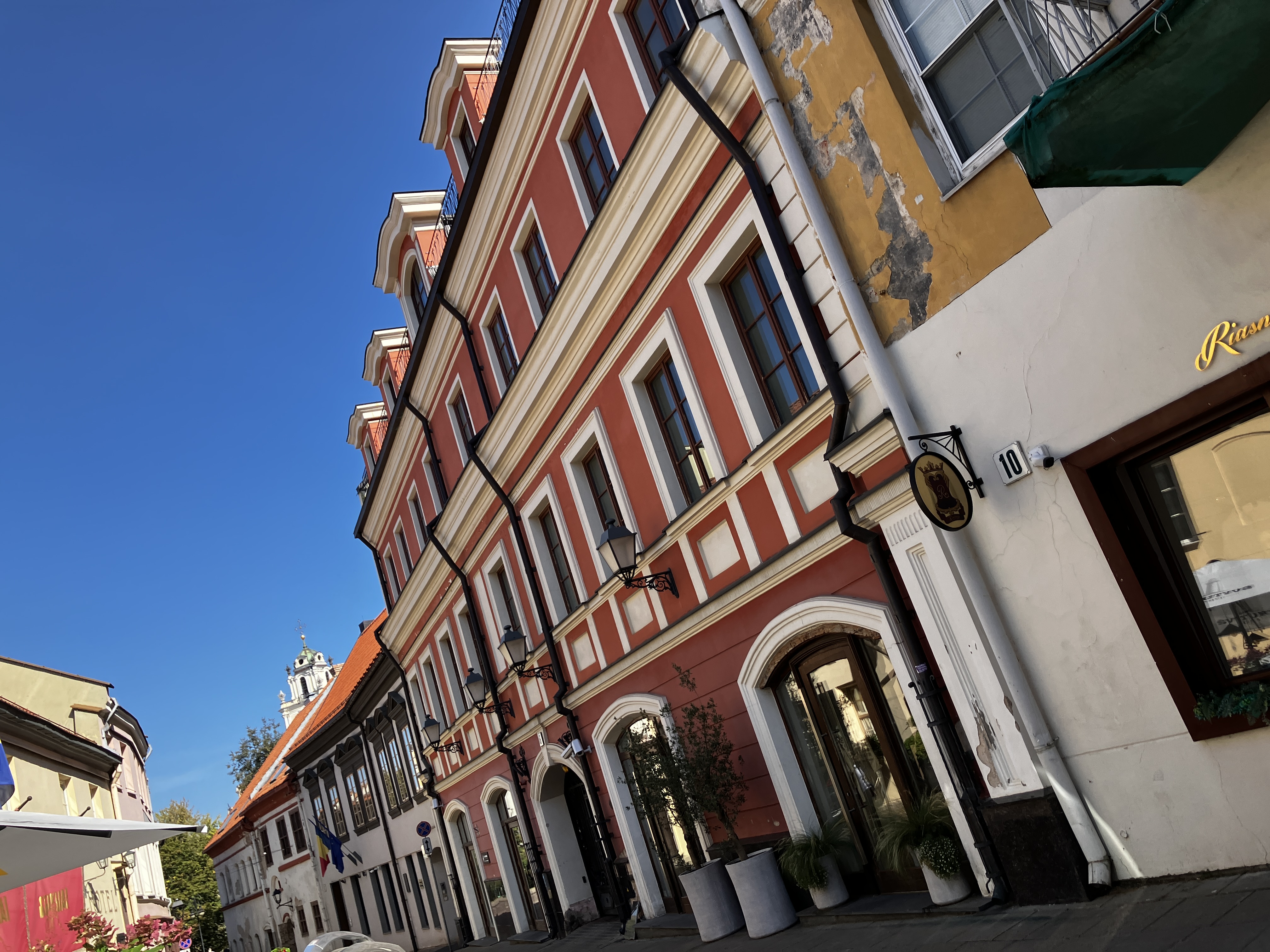
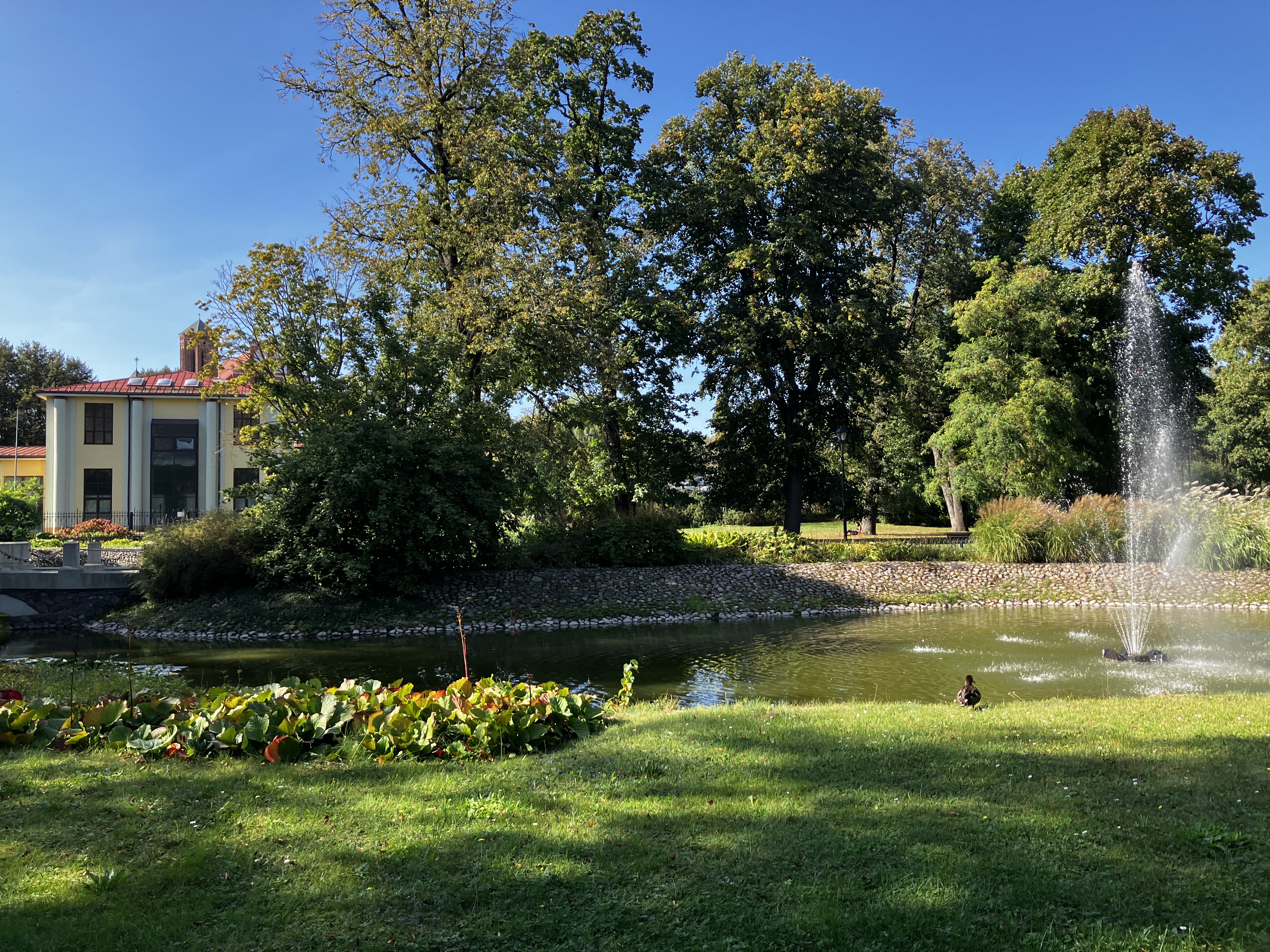
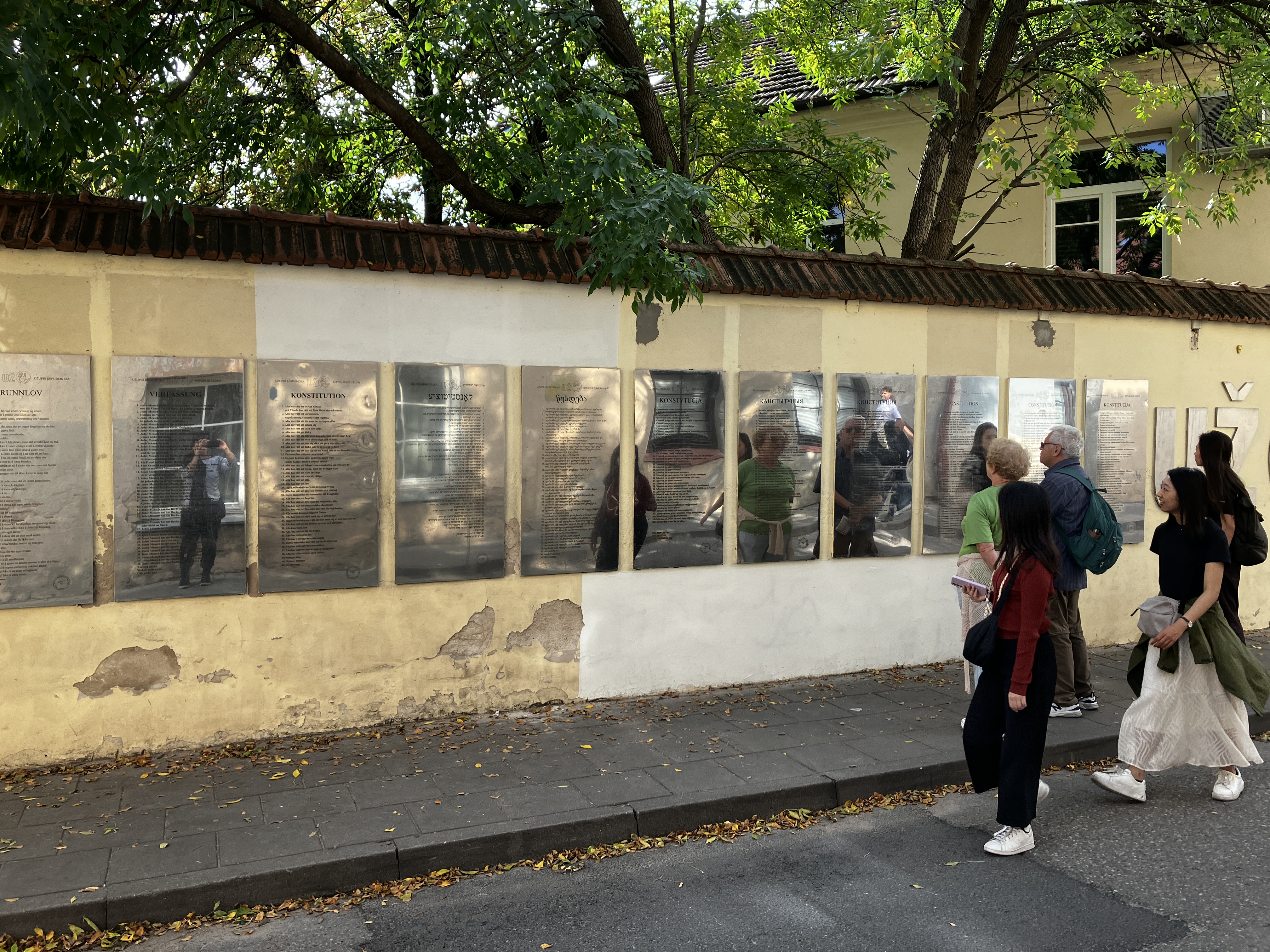
Lithuania doesn’t get a lot of travel hype, which is a shame because it has a lot going for it. The small country has lovely cities with tremendous amounts of forest, parks, and trees; in fact, Vilnius was named one of the “greenest” cities in Europe with over half of its urban areas made up of green space. This year, Lithuania was also named the world’s happiest country for people under 30 in the World Happiness Report. One article attributed this to a (mostly) free education, thriving economy, nightlife, and growing job opportunities. (This is in stark contrast to the US, which has “plummeted” in the rankings. Here’s a little article on that.). Vilnius also has a funky vibe that appeals to me, an example of which is this fun fact: in the heart of Vilnius’ Old Town is a “self-governing micro nation” called the Republic of Uzupis—a place after my own heart. Uzupis is a bohemian, artsy neighborhood that declared its own independence in 1997 and has its own government, anthem, and even constitution, which is publicly posted on metal placards in 40 different languages (including Esperanto, the inventor of which once lived in Lithuania). Among the rights listed in the constitution are: “Everyone has a right to love and take care of the cat” and my favorite: “Everyone has the right to realize his unimportance and magnificence.” Indeed.
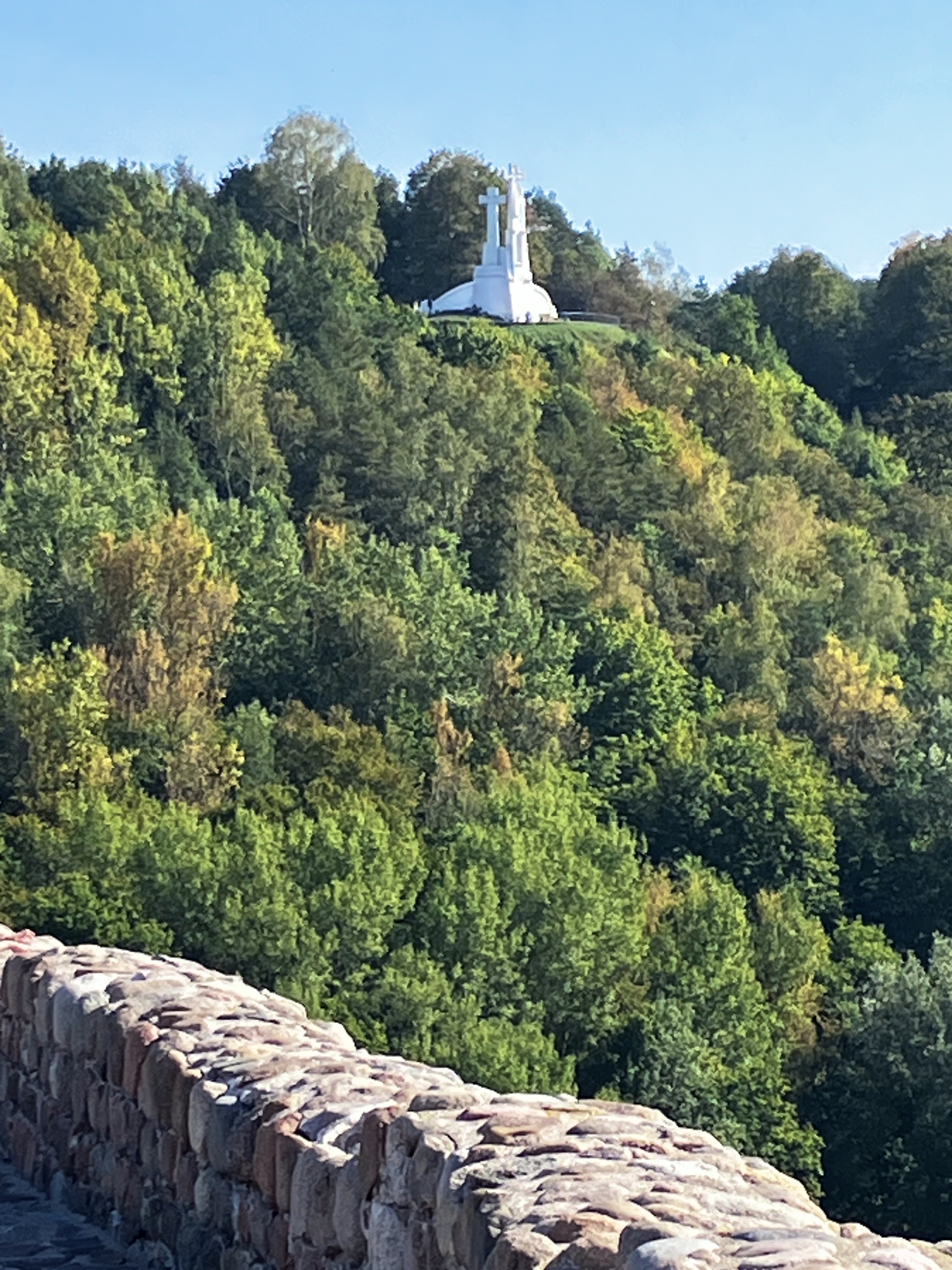


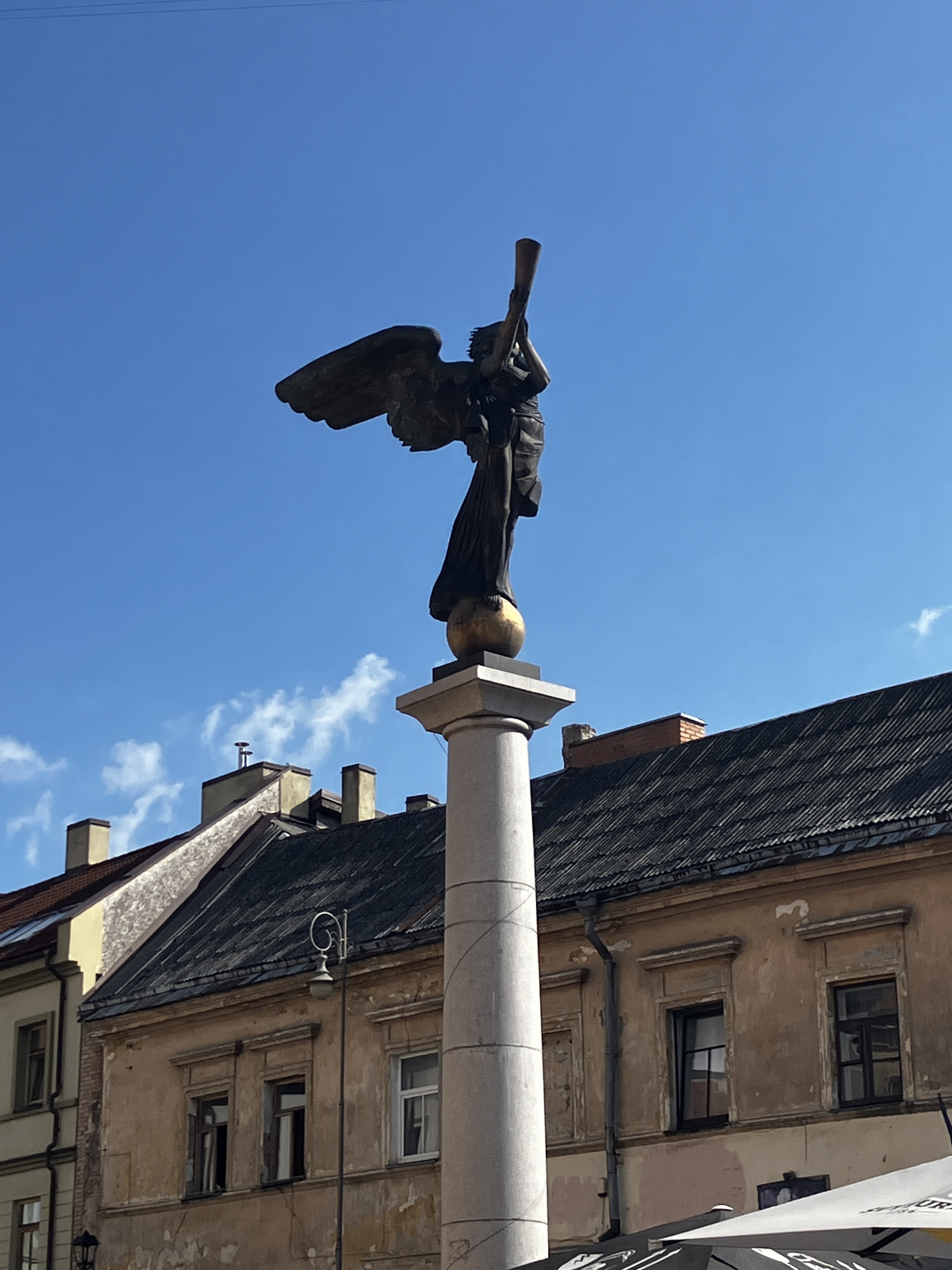
Conversely, Lithuania also has some dark history. At one time, Vilnius was considered an important center for Jewish culture in Europe, leading Napoleon to call it the “Jerusalem of the North.” However, during WWII, 95% of its Jewish population was murdered, making Lithuania the country whose Jewish population suffered the most “complete destruction than befell any other country in the Holocaust.” (Some articles say this was due to the amount of cooperation the Nazis received from the locals.) As a result, you can find a lot of Jewish memorials, markers, and museums to acknowledge this dark time in its history. As many know, the country was also Soviet occupied for nearly 50 years, a period of time that saw a lot of murder, mass deportations, and destruction of the country’s cultural heritage. Since its independence was restored in 1990, the country has worked hard to rebuild what it’s lost.
While I’ve been in Vilnius, I’ve appreciated learning all of the above (and more) from the city’s museums and experiencing everything it has to offer. I loved spending time in the Old Town (which is a UNESCO World Heritage site), and exploring the architecture, the cafes, and all of the cobblestoned nooks and crannies. I also enjoyed a few day trips to nearby cities:
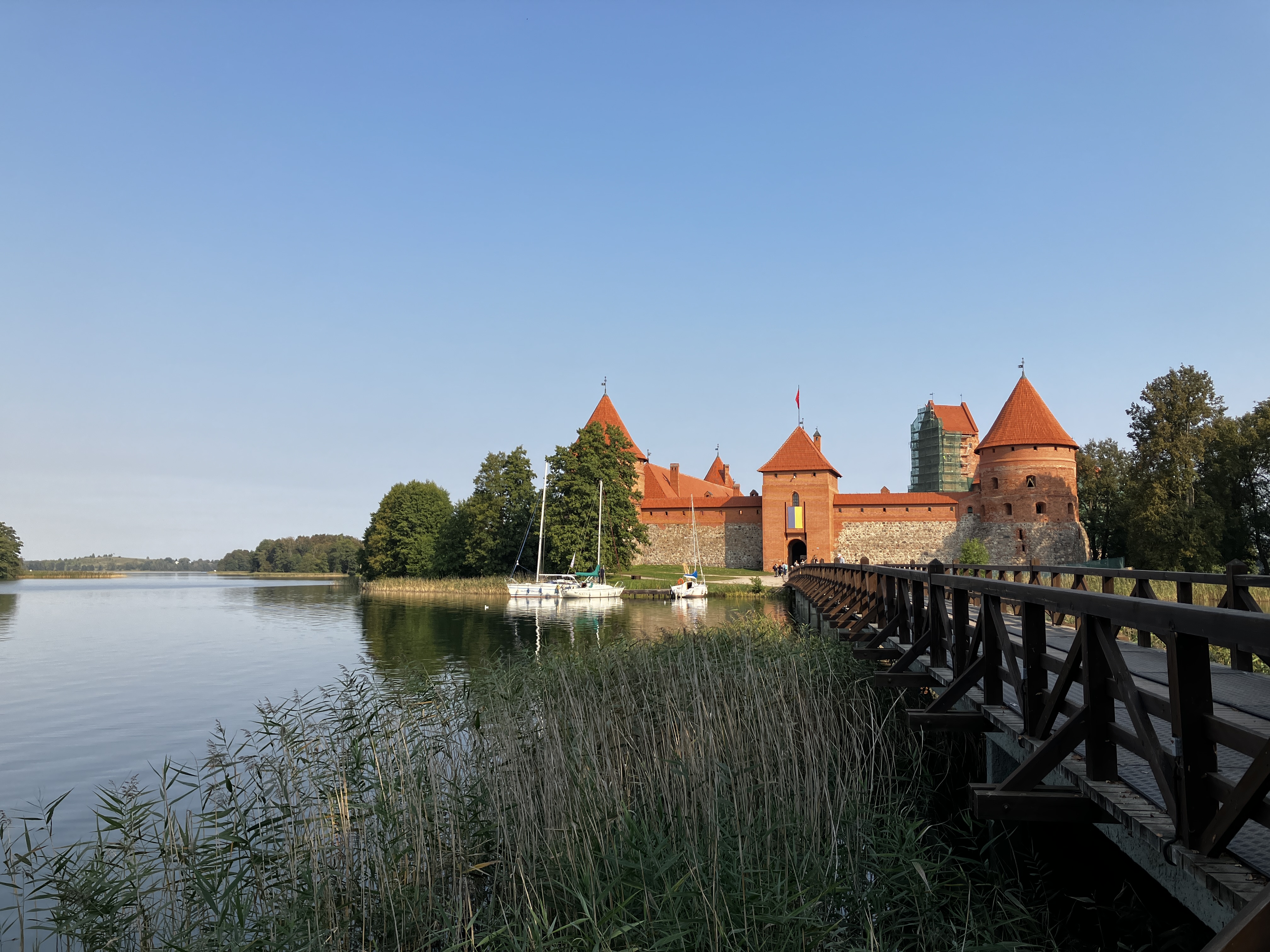
Trakai – A small city known for the only European castle built upon a tiny island. It’s a 14th-century brick structure that’s currently under renovation (naturally), but is still lovely sitting as it does on the still waters of Lake Galve, one of Lithuania’s deepest lakes. I enjoyed wandering around Trakai, visiting its notable places, and sampling several types of kybinai (a stuffed hand pie similar to an empanada), which is something it’s known for. Having already had it, I can attest that Trakai’s is especially good.


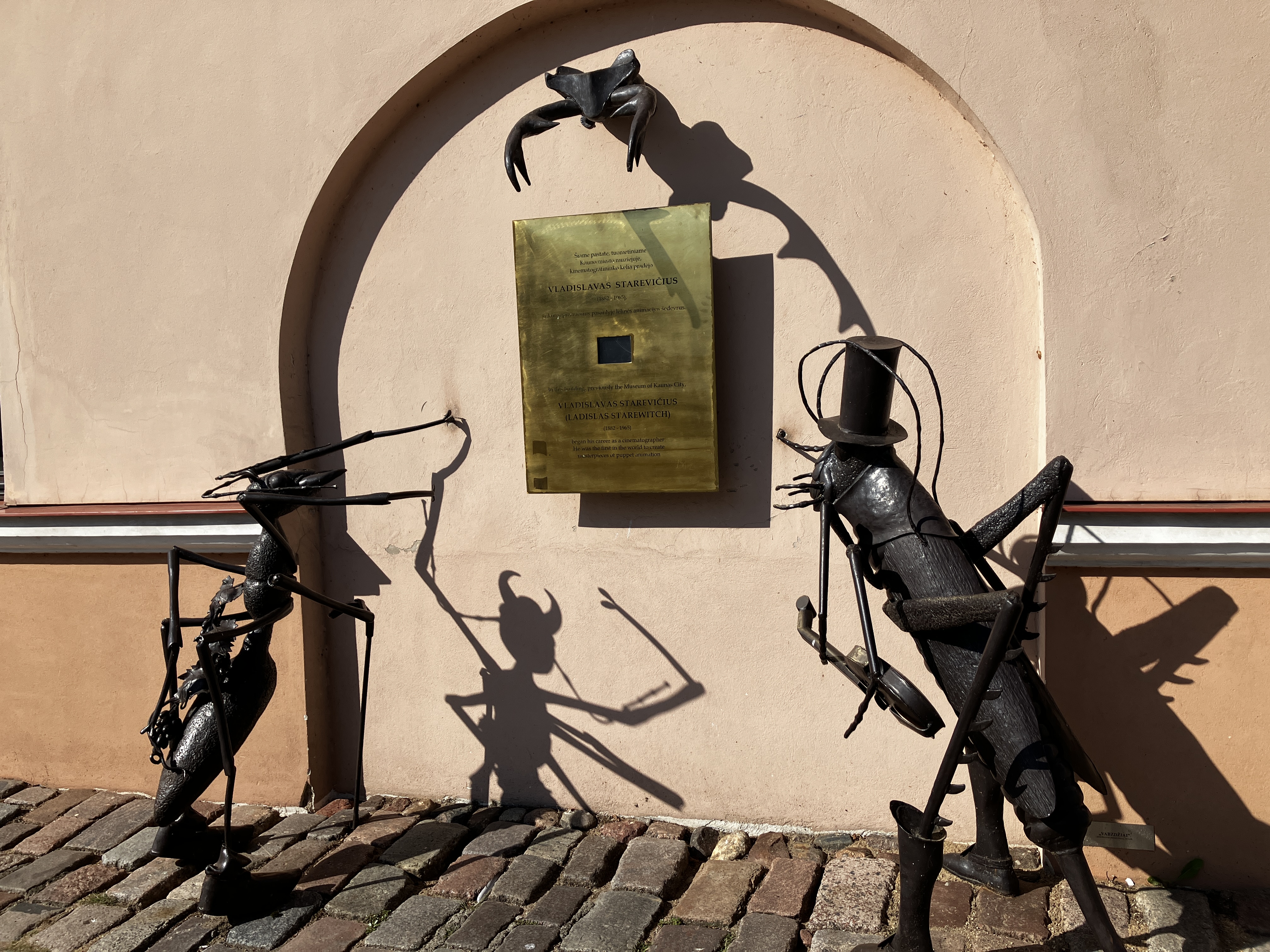
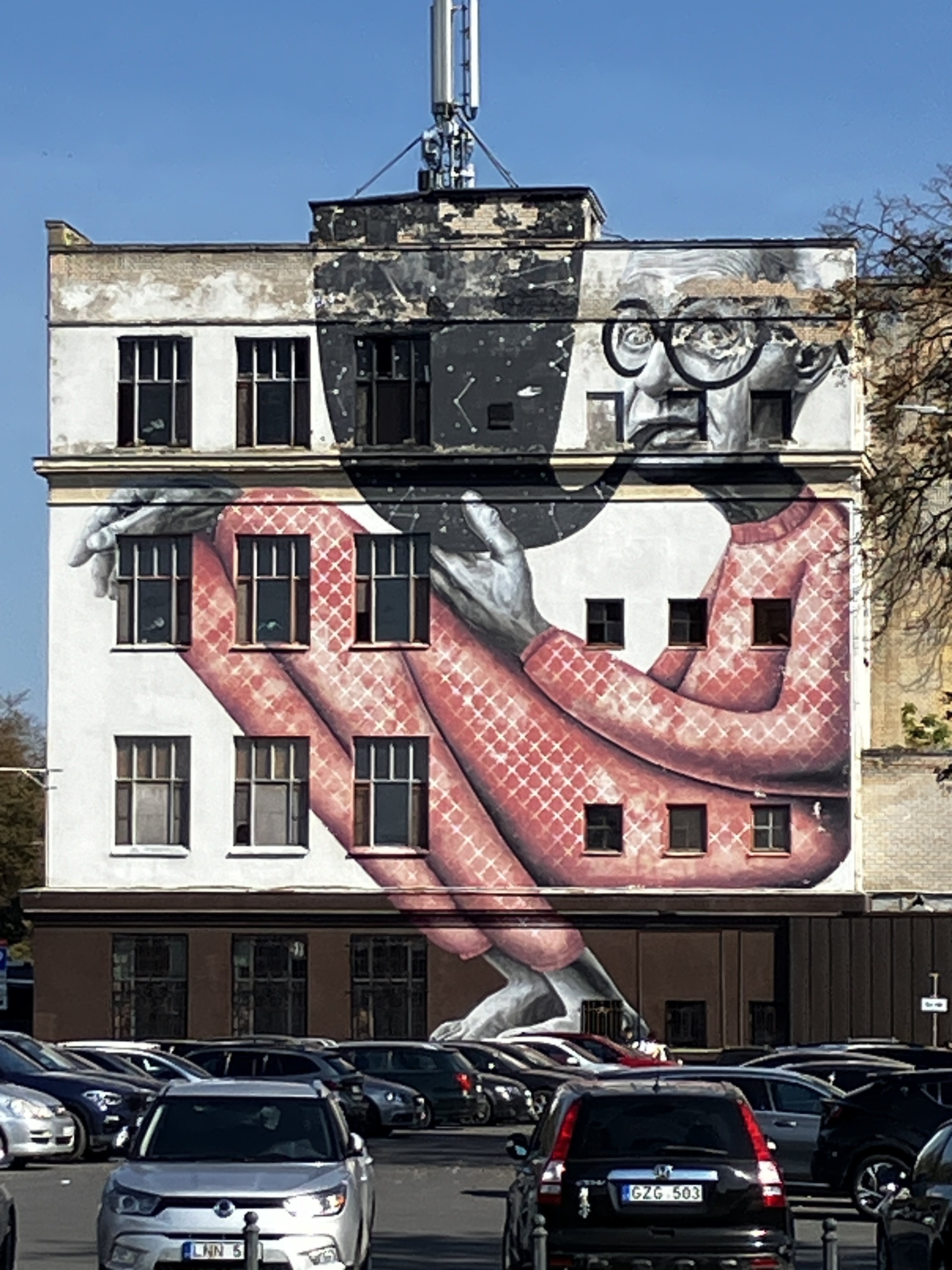
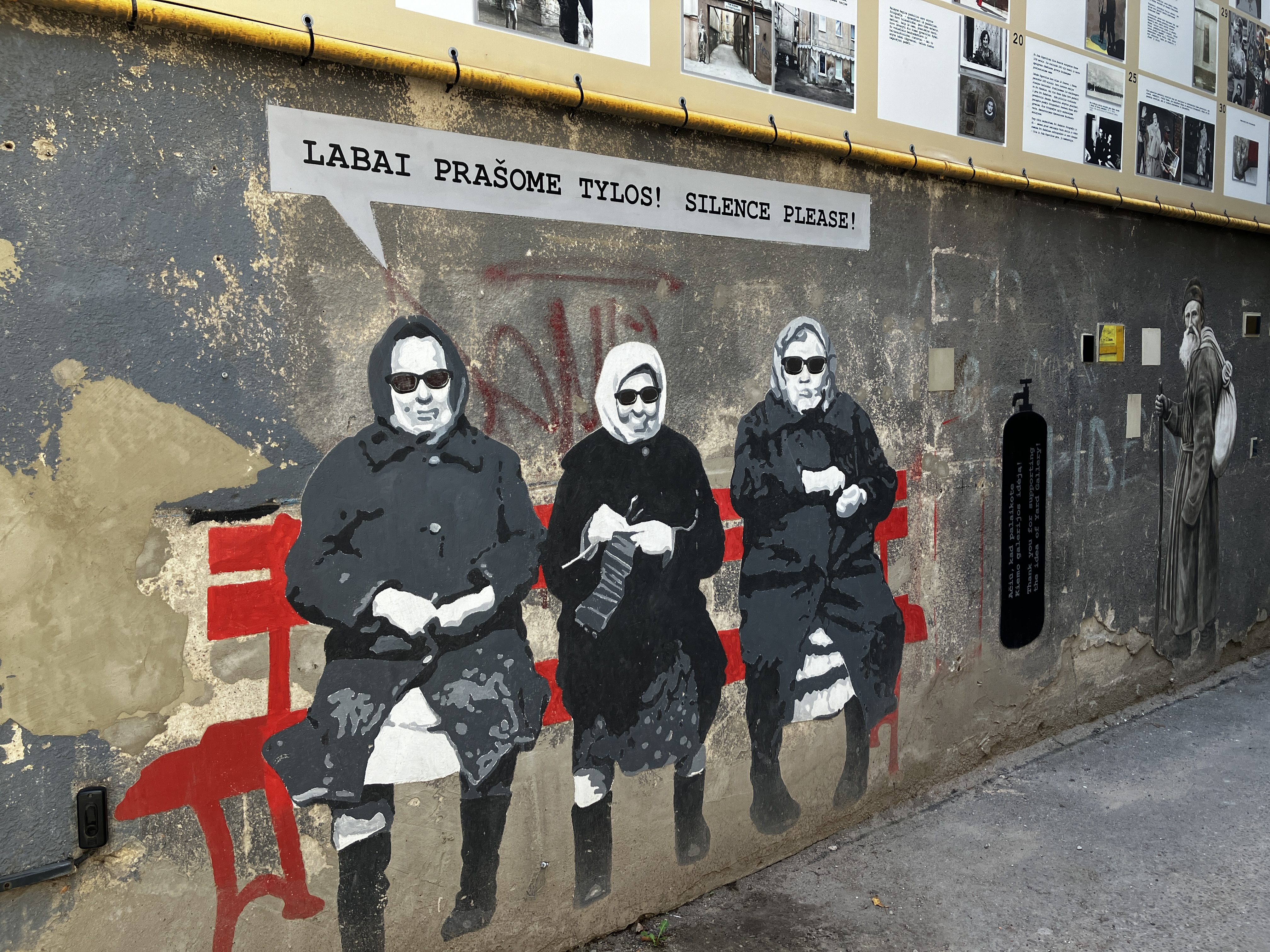
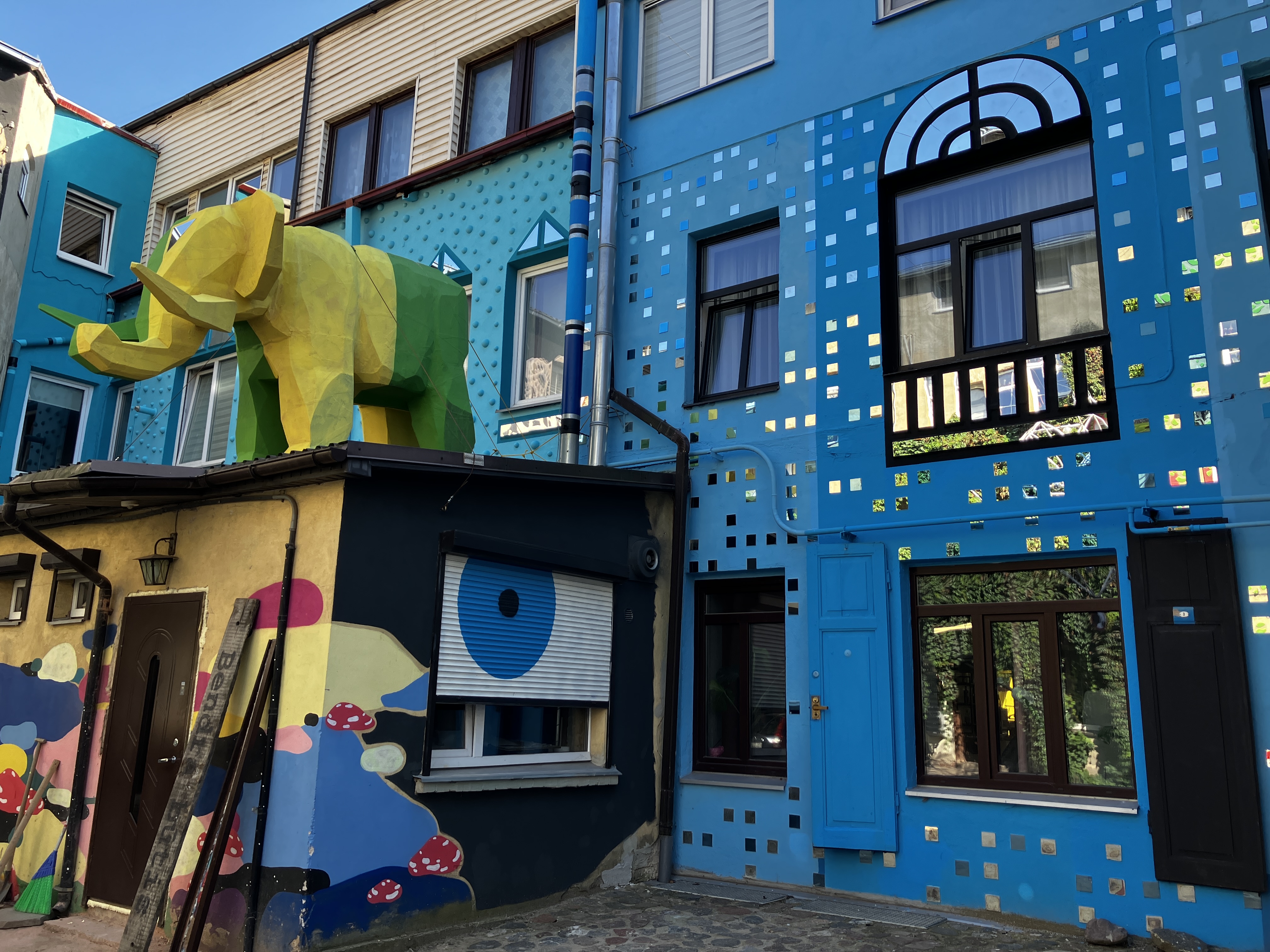
Kaunas – Lithuania’s second largest city with a charming old town complete with its own castle (there seems to be one in every city I’ve been to so far) and a great street art scene. I had fun finding the murals and sculptures for which it’s most known. My particular favorite was “Yard Gallery,” which was created by an artist in the courtyard of the apartments where he lived. He created the art because he noticed that the people living there were alienated not only from each other, but from a shared past. The area was once a part of a Jewish ghetto, so at first he painted murals of previous residents from photos he found, but then the art grew from there and took on a life of its own.


I could write a lot more about Vilnius and Lithuania, but I will leave it there. I’ve been pleasantly surprised by this country and am sorry to leave it. I hope others will seek it out to discover its beauty for themselves.
At this point, it’s time to move on to revisit a few cities in which I spent too short a time while on the bike tour. Next stop: Riga, Latvia.




 tales of wander
Leave a comment