
I won’t deny it’s been hard to get into my travel groove again since my last post. I’ve been hyper vigilant—suspicious of every bug, black speck, and itch. The apartment I moved/escaped to is beautiful, but has fruit flies and gnats. I feel like I’m being accosted by bugs and keep imagining myself as Pigpen, Charlie Brown’s filthy friend, walking around Tallinn in a cloud of bugs instead of dirt. After my first night in the new place, I woke up to new bites—on my face!—and freaked out. Am I carrying a hitchhiker? That spurred a new round of inspecting all my clothes and bags, plus a flurry of online searches, during which I discovered that the appearance of a bite may not appear for days after the actual bite. While this knowledge was somewhat comforting because it meant I’m not necessarily carrying actual bugs with me, it was also disconcerting because it meant it would be difficult to know a new bite from an old. If I really want assurance that I’m bug-free, my only option is to give it time. Patience—at least in a situation like this—is not really my virtue.
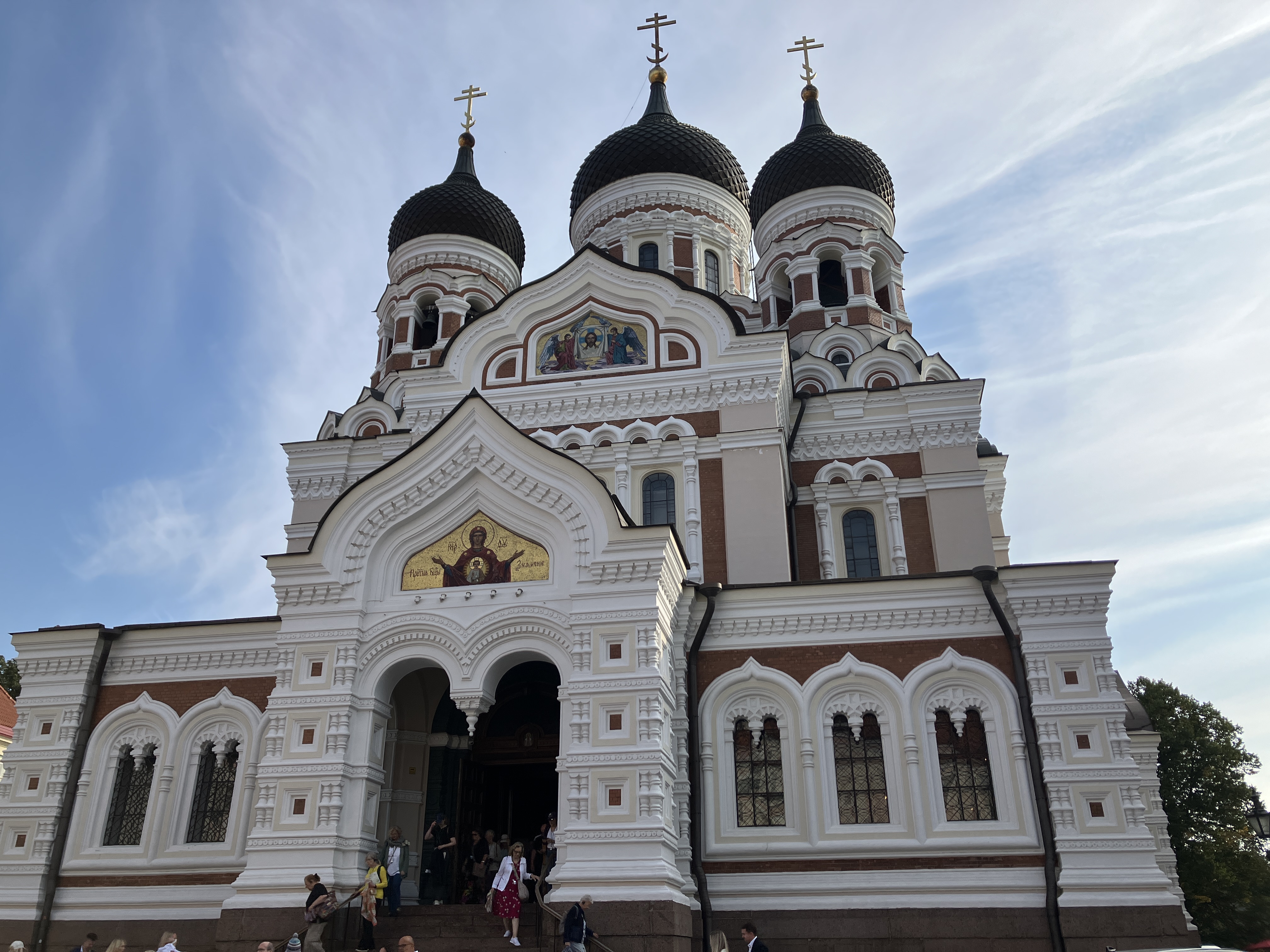
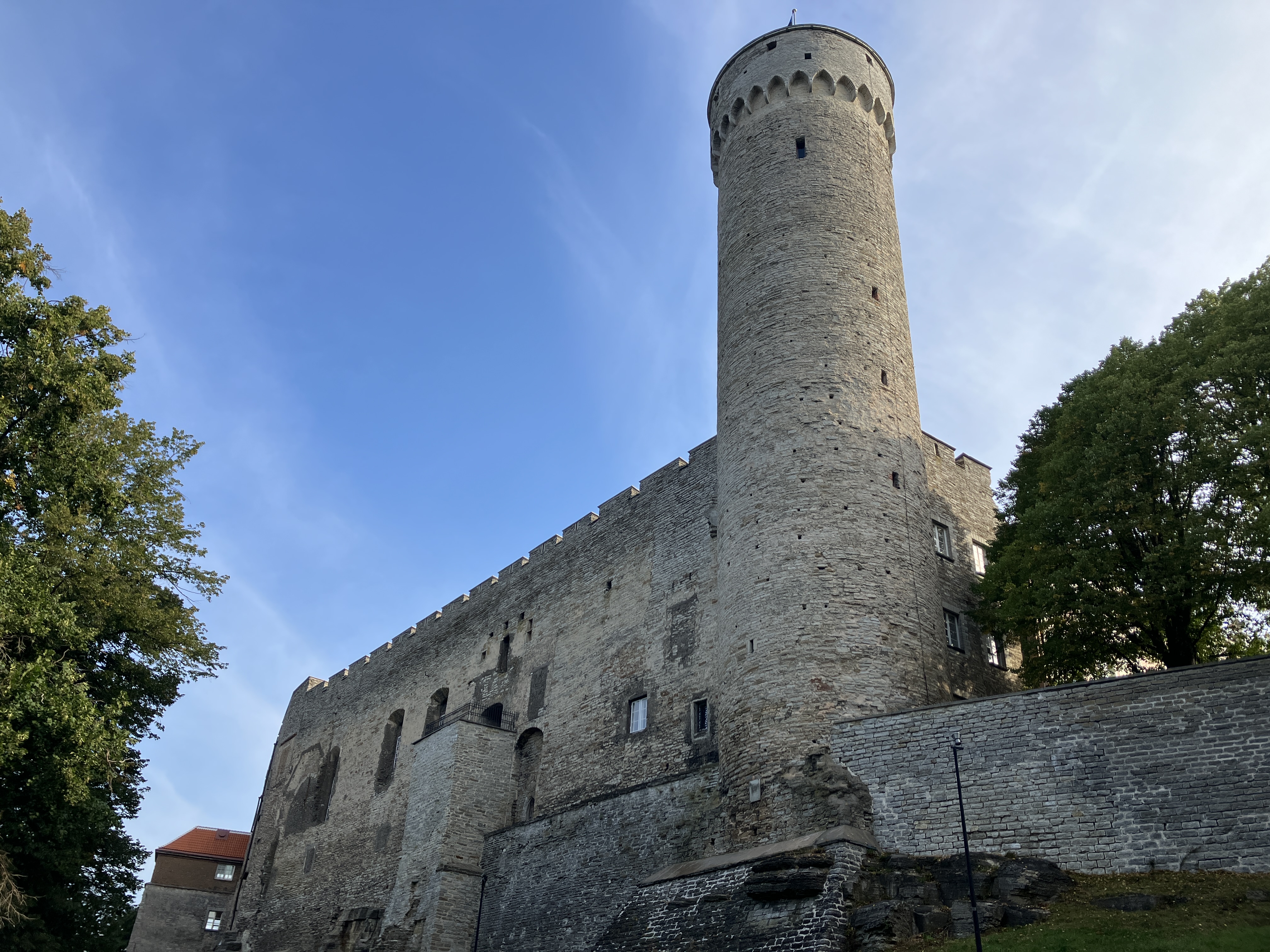
So…what to do while I’m working on patience? Thankfully, this is the part that traveling does best: it provides ample opportunities to explore something new. So, I did my best to focus on my surroundings instead of myself. To that end, I saw a lot of Tallinn, which has one of Europe’s best preserved medieval old towns, with structures that date back to the 13th century. I explored the inside of its fortification walls, walked through its underground tunnels, perused art and history museums, visited Kadriorg Palace with its gorgeous grounds and surrounding park, and checked out Tallinn’s more modern neighborhoods, such as Rotermann Quarter and Telleskivi (Tallinn’s “hipster” neighborhood).



I also had a lot of hikes planned for this portion of my trip, but I’ve continued to be careful with extended time on my feet, so selected a few light ones to get a much-needed dose of nature:
Viru Bog: There are over 9800 bogs in Estonia, which is surprising for a country this small. Peatland also makes up a fifth of its land mass, making Estonia one of the most “peatland-rich” in the world. Viru Bog is the most accessible of these, being only one hour from Tallinn and near public transportation. Apparently, peat grows 1mm per year on average and the depth of Viru Bog is three meters at its deepest, so it’s estimated the bog is about 3000 years old. It was a gorgeous day when I visited the bog and I loved walking the wooden trail (provided to protect the bog) and hiking in the surrounding forest.
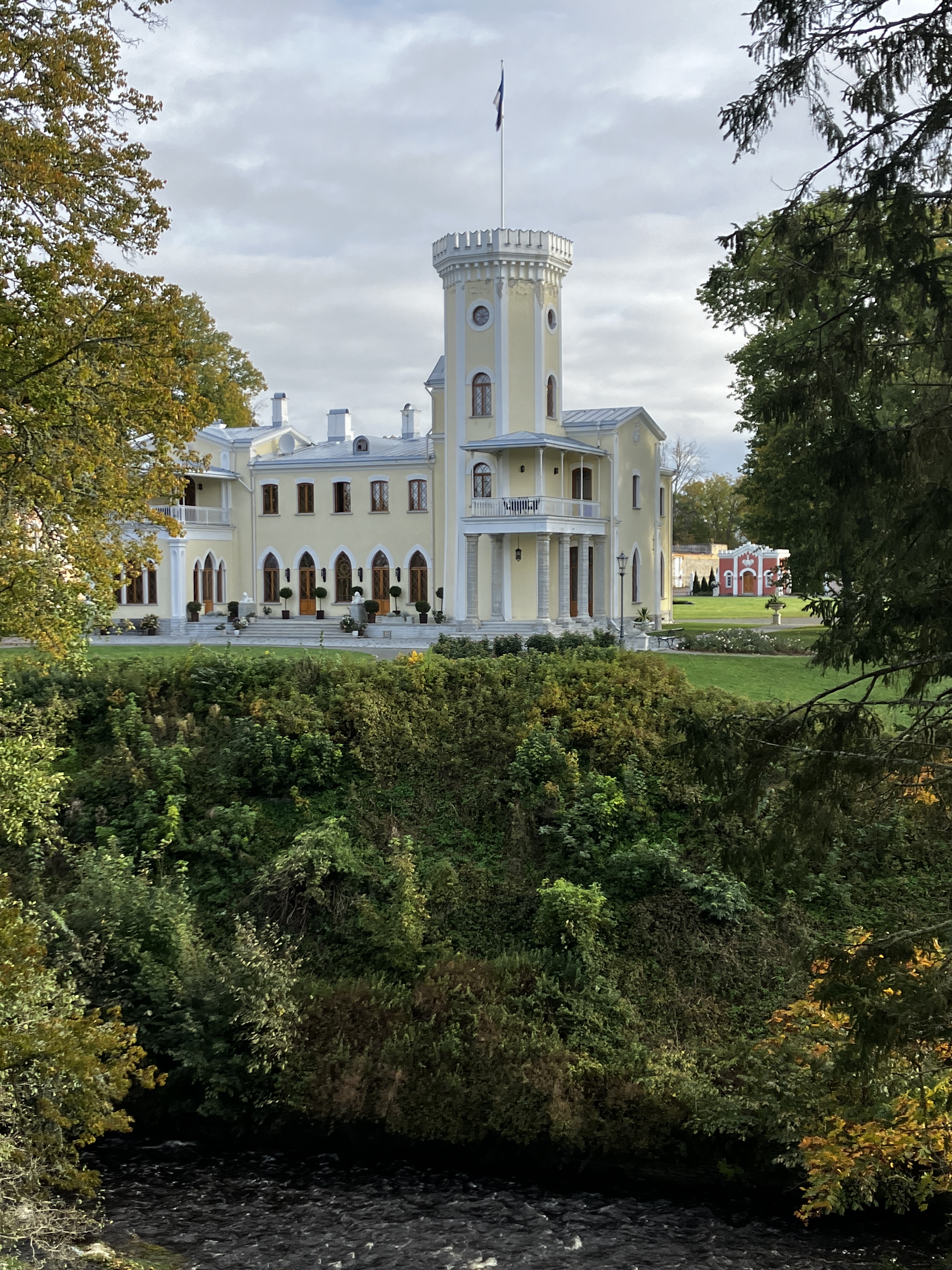
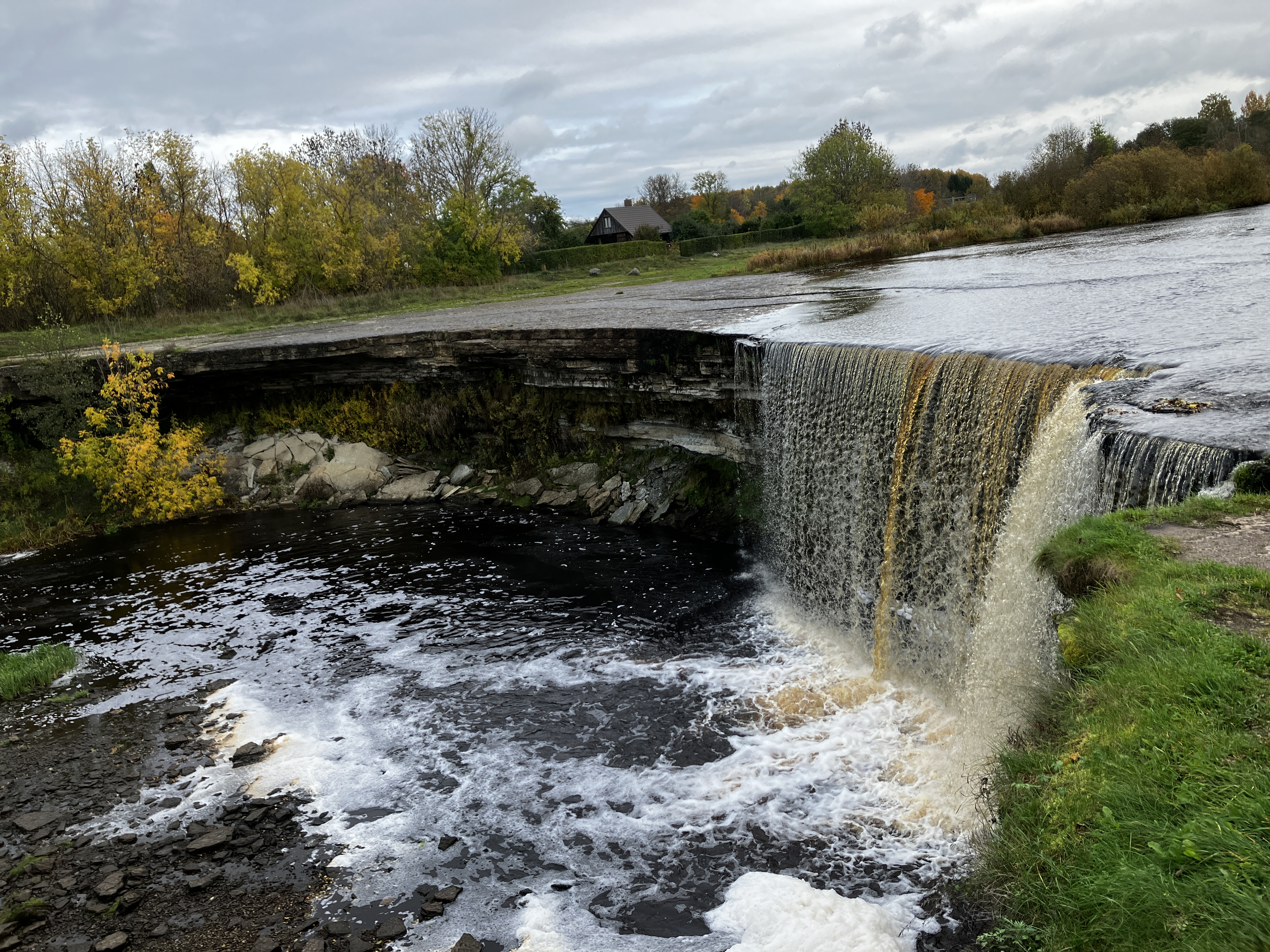
Keila and Jagala Falls: These are two separate waterfalls, each an hour from Tallinn in opposite directions. Keila Falls is the third most powerful waterfall and Jagala the biggest waterfall at 50 meters wide; however, given that the Jagala river is low right now, Jagala Falls is a fraction of its normal size at the moment, which made my trip to visit it a bit anticlimactic. Nevertheless, it was nice to get out of the city to visit both of these waterfalls, do some light hiking, and enjoy the fresh air and autumn colors.


Tallinn wraps up my time in the Baltic states, so I’d like to say a few last words about them before I ferry off to Finland.
I mentioned in my post on Lithuania that it doesn’t get a lot of travel hype, but the truth is none of the Baltic nations do (Estonia gets the most at about 4 million visitors per year—which is four times what Latvia and Lithuania receive—but that’s still a small fraction compared to other European countries). When many people think of the Baltic states, they think of them within the context of their previous Soviet occupation and make assumptions about how “behind” they are as a result. It’s fair enough—the occupation didn’t end until 1991, after all, and much was destroyed by the Soviets. However, each country has come a long way in rebuilding their cultural heritage and reclaiming their identities (even while they compete to distinguish themselves from each other—I mean, Riga and Tallinn can’t both be home to the first Christmas tree). Their capitals are all beautiful and modern, each have gorgeous UNESCO World Heritage old towns, each country prides itself on their ample green space (all above 50%), and each seem quite advanced with regard to infrastructure. I also found it easier to navigate these countries using public transportation than many other countries I’ve visited. Each country is also ranked as having among the highest literacy rates in the world and many of their citizens are multilingual—with English being spoken by much of the younger generation (a huge relief because each country’s language is quite different). Sure, there are still signs of that old Soviet occupation (which is most obvious in some of the architecture), but in my humble opinion, there’s so much more of everything else that it quickly gets overshadowed.
I mentioned something in a previous post about the Baltics being nations of introverts. It’s a good metaphor for these countries as a whole, I think—they’re the introverts of the EU. Quiet and understated, they don’t have the obvious appeal as, say, France or Spain—instead, they stand quietly by the punch bowl while the others soak up attention on the dance floor. However, being introverted doesn’t mean they don’t have something valuable to offer, and if you like nature, history, art, architecture, fantastic parks, ample cycling trails, and great pastries and coffee, then these countries have all that and more.
Now it’s time for my last stop: Helsinki, a mere 2-hr ferry ride from Tallinn…




 tales of wander
Leave a comment