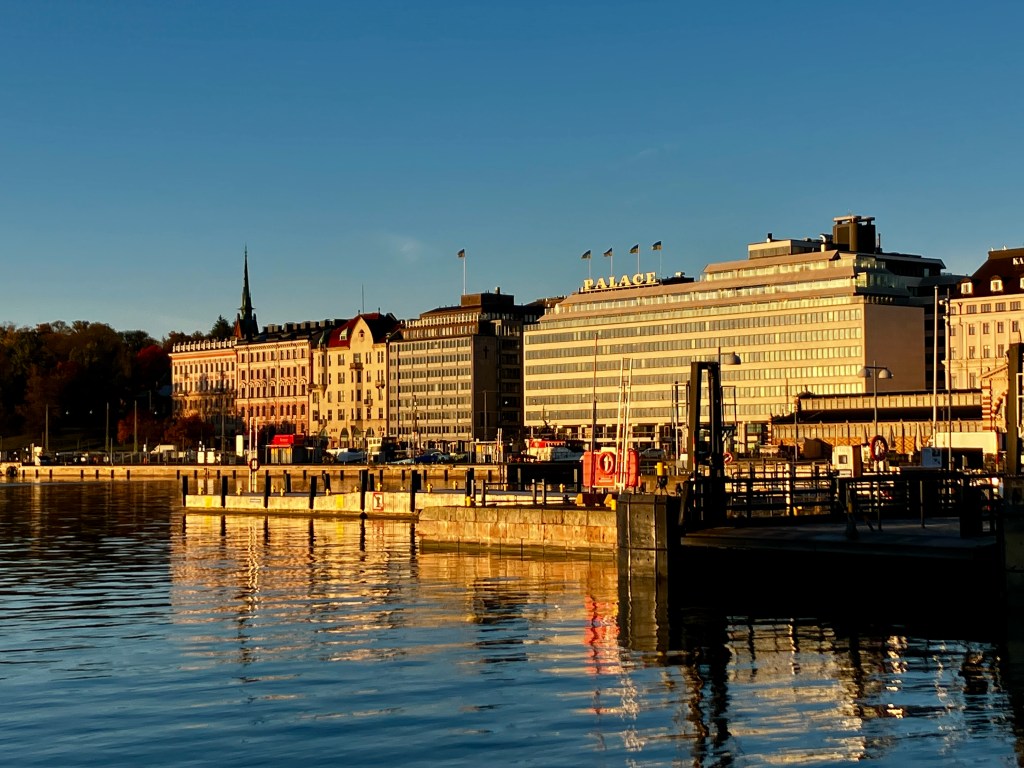
After a brisk ferry ride across the Gulf of Finland, I arrived in Helsinki, the capital of the “World’s Happiest Country” for seven years running. On my first morning after arriving, I did what I often do, which is go on a walking tour to get a feel for the city. The tour that day was led by Aleksander, a Russian expat living in Finland. While making small talk with the group, Aleksander offered this anecdote: Russians and Finns are alike in that they “love to drink,” which he believes has something to do with the weather. Finland gets six months of winter weather, on average. In the northern part of the country (Lapland), a few of those months get no daylight at all, which is called kaamos, or “polar night.” Apparently (and unsurprisingly), the country’s average alcohol consumption is at its peak during the winter, particularly in Lapland.
After he rattled off these facts, I started pondering what seemed like a contradiction. I’m from a city that gets six months of rain and I know what a mental struggle that can be. And high alcohol consumption doesn’t exactly scream “happiness,” so I asked Aleksander: “if people are drinking so much to get through a long, hard winter, how can they be so happy?” Aleksander wryly replied “the alcohol helps,” but he also said that Finland’s government is well-known for its transparency and lack of corruption, so the people put a high level of trust in it. It also offers a lot of social programs to ensure citizens are well cared for. In my mind, those two reasons were enough for high levels of happiness, but he also shared a list of other possible contributors: Finnish culture values getting outside and enjoying nature (particularly during the winter months), Finns drink more coffee per capita than anywhere in the world, and last but certainly not least, the Finns have saunas. According to Aleksander, there are 5 million people in Finland and 3 million saunas—it’s such an important part of Finnish culture that it outnumbers automobiles. (Just imagine what America would be like if we prioritized saunas over cars!) So, the recipe for happiness is: trust, security, alcohol, caffeine, nature, and saunas. Yep, it all makes perfect sense now.



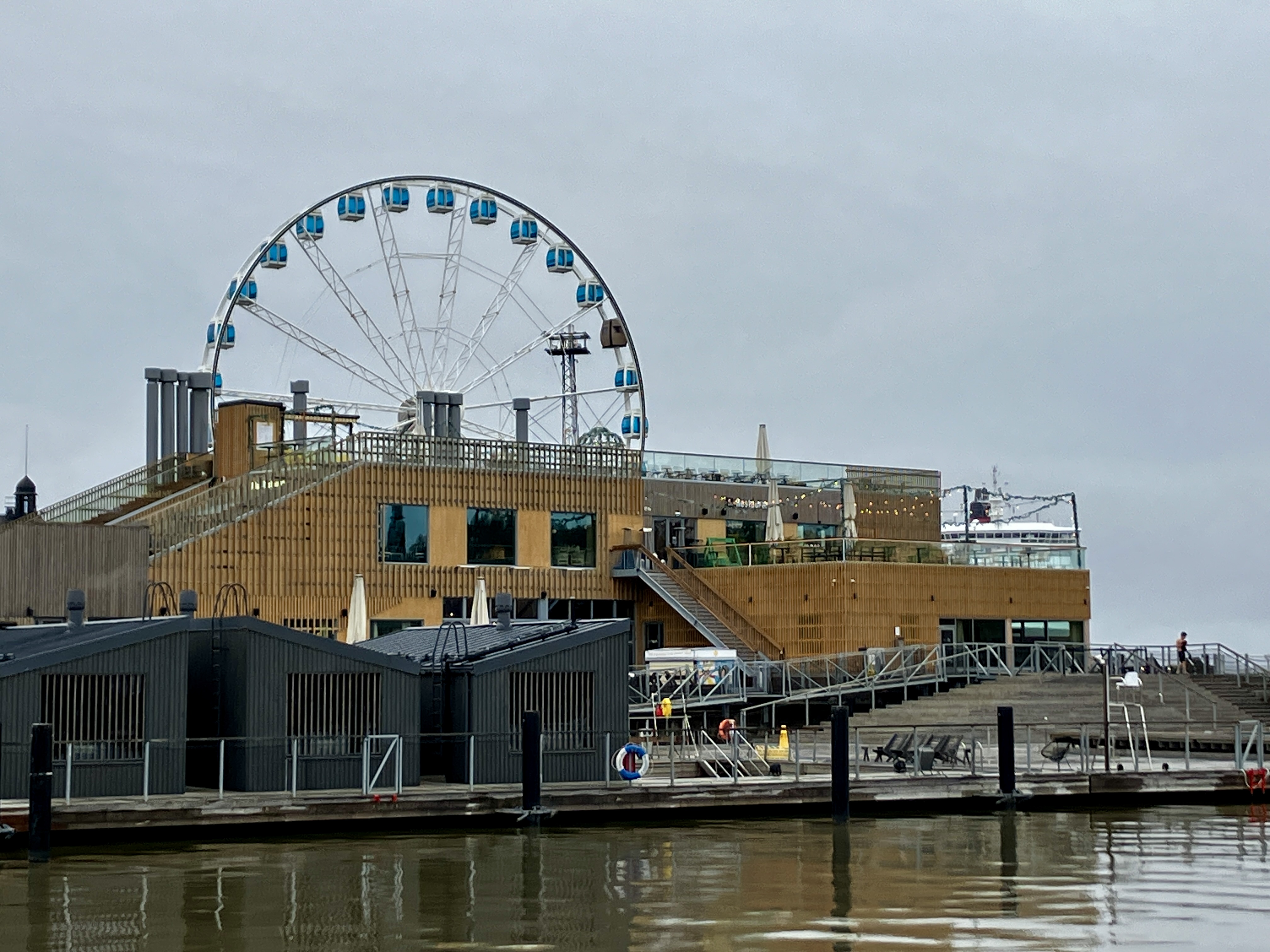
With all this talk of saunas, I was eager to try a Finnish sauna so I could compare it to the Latvian one. As it happens, the two were very different experiences; however, this had more to do with my choice in facility than actual differences in the traditions, which I confirmed are essentially the same. In Helsinki, I tried a more modern facility without a massive wood-burning oven and bundles of birch branches. I went to Allas Sea Pool, which is right on the harbor, has both indoor and outdoor saunas, plus several outdoor pools for swimming and cold plunges. It was a cold, rainy morning when I went, so I opted for the outdoor saunas so I could enjoy the contrast between hot and cold. I sat in the sauna to bring up my body temperature, then found the courage to get into the cold plunge pool, which is filled with filtered sea water and by far the coldest cold plunge I’ve ever experienced. This facility also has a “heated” pool (“heated” meaning warmer than the cold plunge, but not actually warm), so I spent the morning rotating between the sauna, the cold plunge, and the pool. The Finns believe saunas have healing effects on the body and considering the way I felt after a few hours of that routine, I don’t disagree. I’m also convinced that any society that prioritizes this kind of self care has to be a good one.
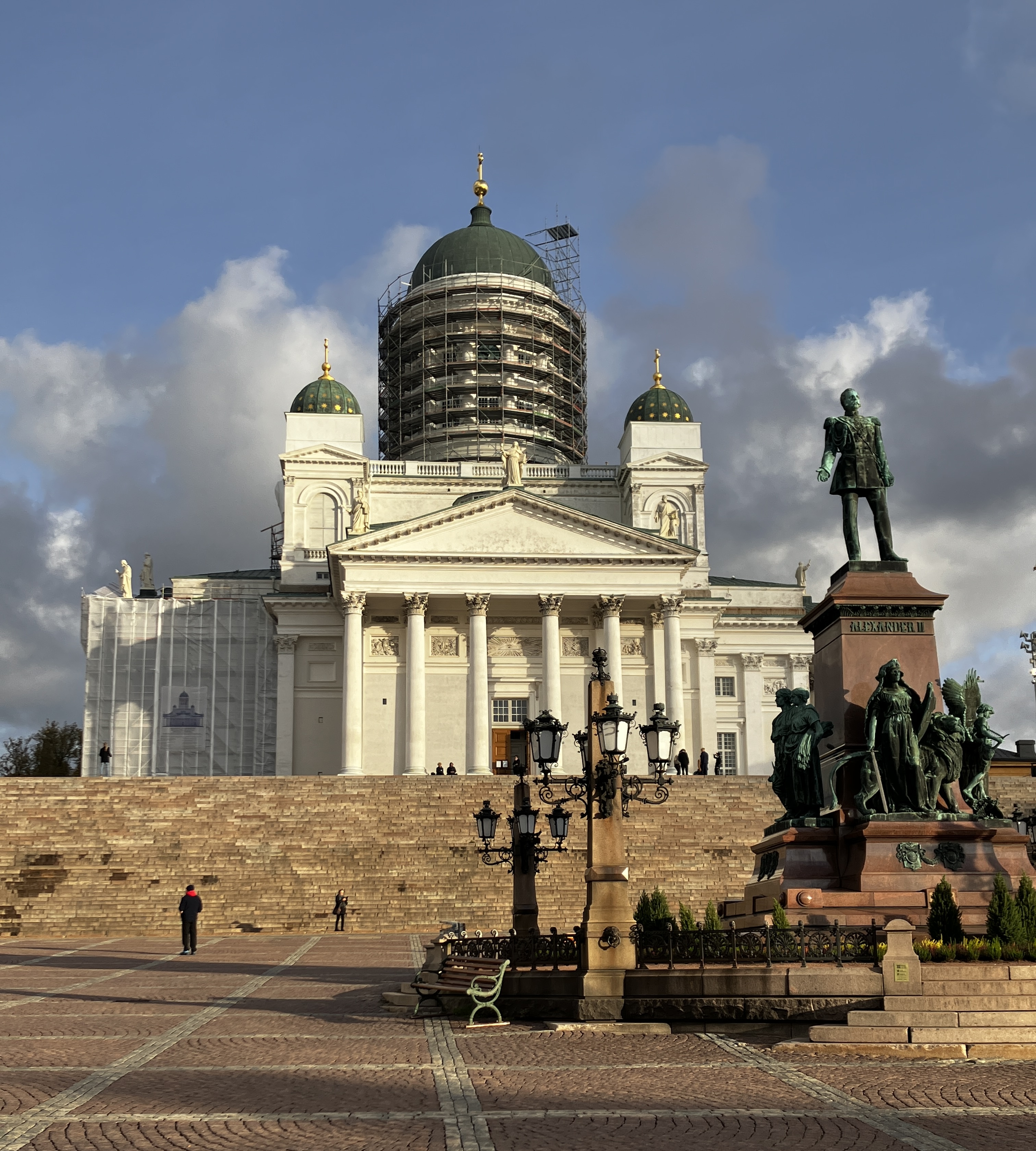
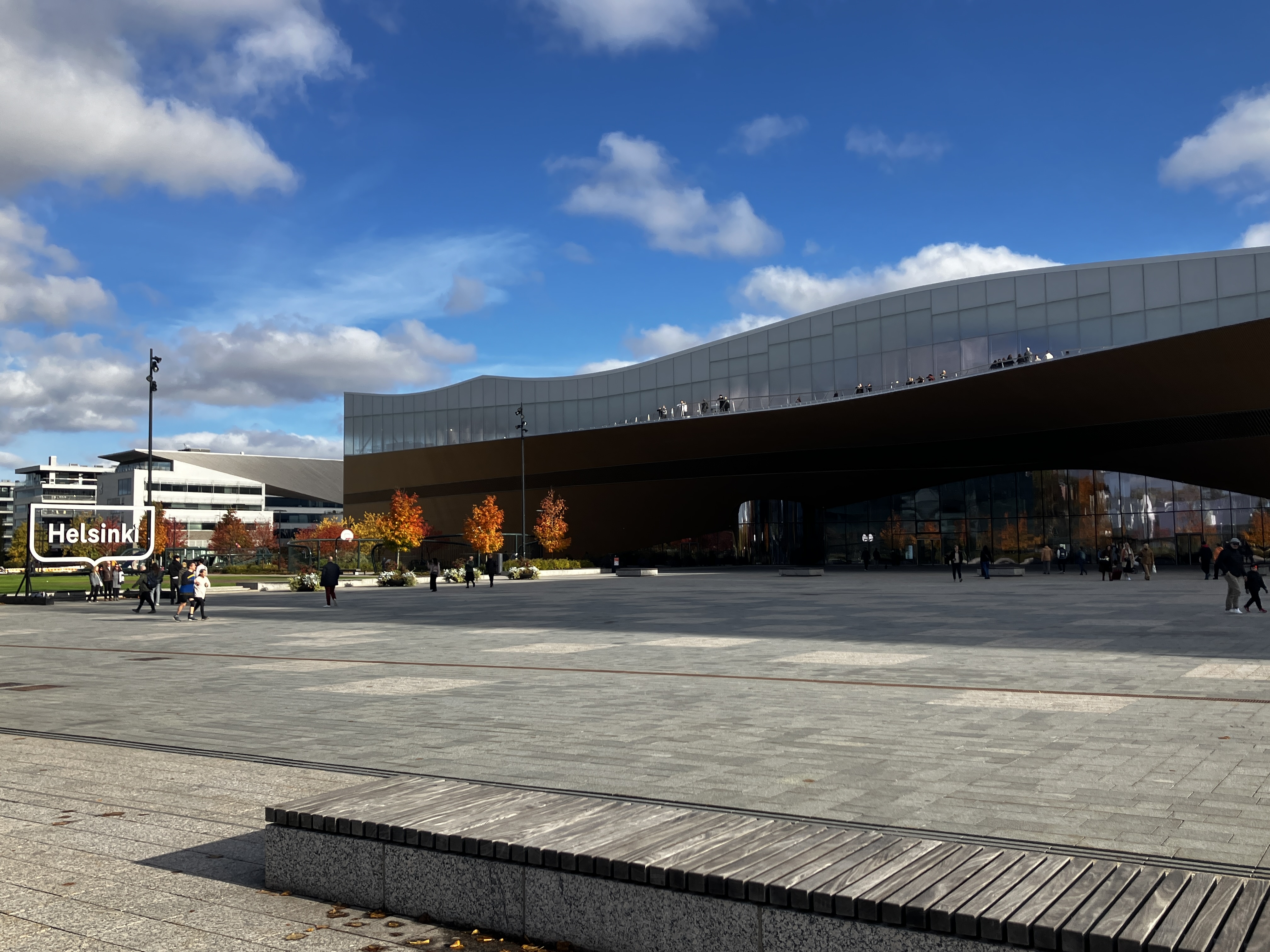
Helsinki has more of a “city” vibe than the other cities I’ve visited on this trip, so once I went to the sauna and saw the most notable things to see—such as the Helsinki and Uspenski cathedrals, Market Square, Old Market Hall, the Esplanadi, and the beautiful Helsinki library—I was eager to get out of it and see something else. Thankfully, I didn’t have to go far. My side trips included:
Suomenlinna: Just a short 15-min ferry ride from Market Square is this sea fortress built upon a group of eight small islands. Construction of the fortress began in 1748 by the Swedish crown as a defense against Russia; however, it’s changed hands a few times throughout history, so also served to defend the Russian empire before Finland declared independence in 1917. Finland has since turned the fortress over to civilian rule and it’s now a UNESCO World Heritage site due to it being a unique example of military architecture. Though it’s a military fortress, Suomenlinna is more like visiting a small military town—it has cafes, a cathedral, a park, and 800 people make their home there.
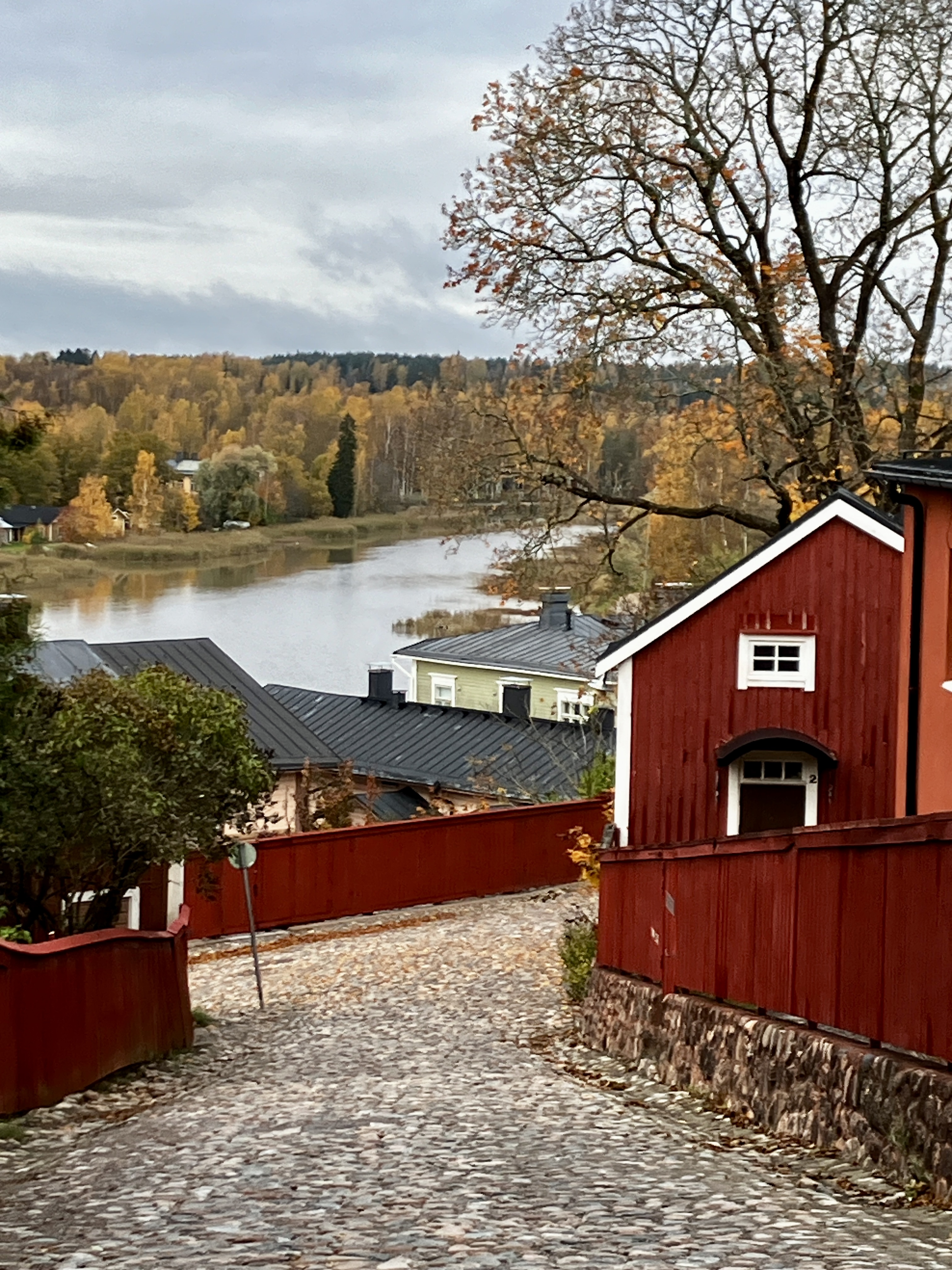
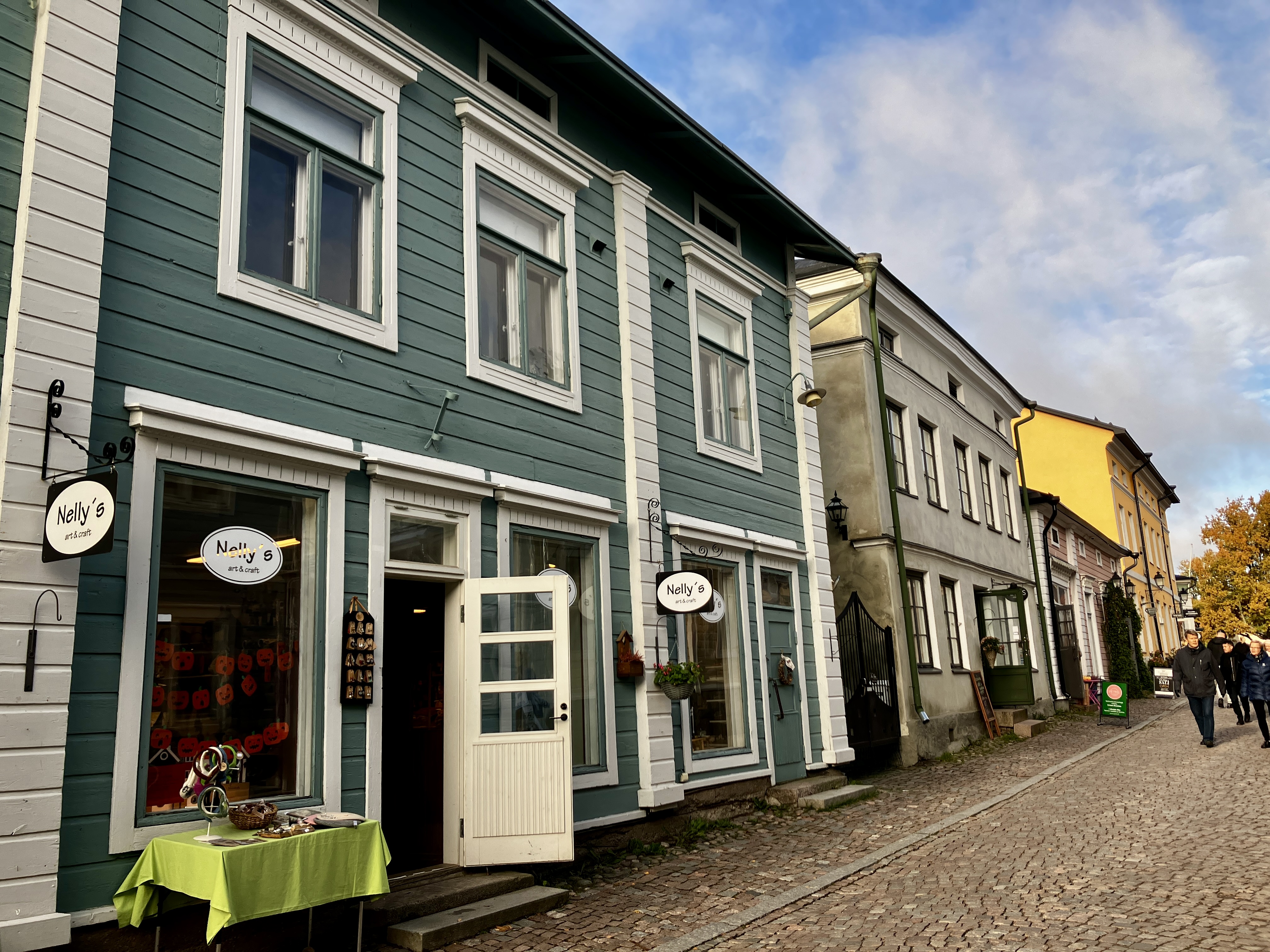
Porvoo: Porvoo is one of six medieval towns in the country and located about an hour away from Helsinki. It’s most known for its charming old town, which has narrow cobblestone roads, a 15th century cathedral, and colorful wooden homes that were built in the the 17th and 18th centuries. It was lovely to spend an afternoon in this small town and I particularly enjoyed how the homes—many painted in golden yellow and dark red—were surrounded by deciduous trees in similar vibrant fall colors. It was a great way to spend a chilly fall afternoon.


Views of Suomenlinna

Views of Suomenlinna

That was my Finland experience in a nutshell. It was a bit of a whirlwind, but a great way to cap off my trip. Now to prepare myself to return home…




 tales of wander
Leave a comment