
After a rough travel day, I finally arrived in Naples, the “birthplace of pizza,” and the home of the “largest historic center” in Europe, which also happens to be designated a UNESCO World Heritage site. While Naples is only the third largest city in Italy, it’s the most dense, which makes its lack of green space somewhat understandable (maybe).
When I first arrived in Italy, I was in Naples for one night before heading to Tuscany and my first impression was: it’s loud. I was blown away by the constant din, made up of layers upon layers of sounds—car horns, scooters, motorbikes revving their engines, voices, yelling, sirens—just the overwhelming sound of city life occurring all around me. Since I knew what to expect, I felt more prepared for it upon my return. For fun, I downloaded a sound meter while I was in Perugia and checked it in the main square. The reading was a nice, calm 35dB. For comparison, I checked it again in Naples’ city center and it was 85dB—a level considered the start of “the danger zone,” where sustained exposure could result in hearing loss. So yeah, it’s f*ing loud. It’s also dirty and though the city is full of beautiful architecture that hearkens to a glorious past, it’s often covered in a layer of dirt and the kind of wide scale, “piss-on-a-wall” tagging for which real street artists have disdain. Naples is the only European city that Rick Steves admits is “not for everyone.” Yet, he still loves its “beautiful chaos.” Underneath all that grime and noise and bad graffiti is…something. A je ne sais quois.
I haven’t quite put my finger on that “something” yet, but I’m working on it. In the meantime, one thing that particularly excited me about Naples was the food. I’ve been eating well the entire time I’ve been in Italy (perhaps too well—I’m worried the new facial recognition system at the airport will no longer recognize me). In Lucca, I had copious amounts of pizza, pasta, paninos, and a daily gelato habit—but I also tried regional specialties like wild-boar ragu and mushroom-stuffed tordelli. In Umbria, I ate my weight in porchetta and prosciutto and also tried a regional favorite called Rocciata de Assisi, which is a delicious Umbrian strudel filled with minced fruits and nuts.

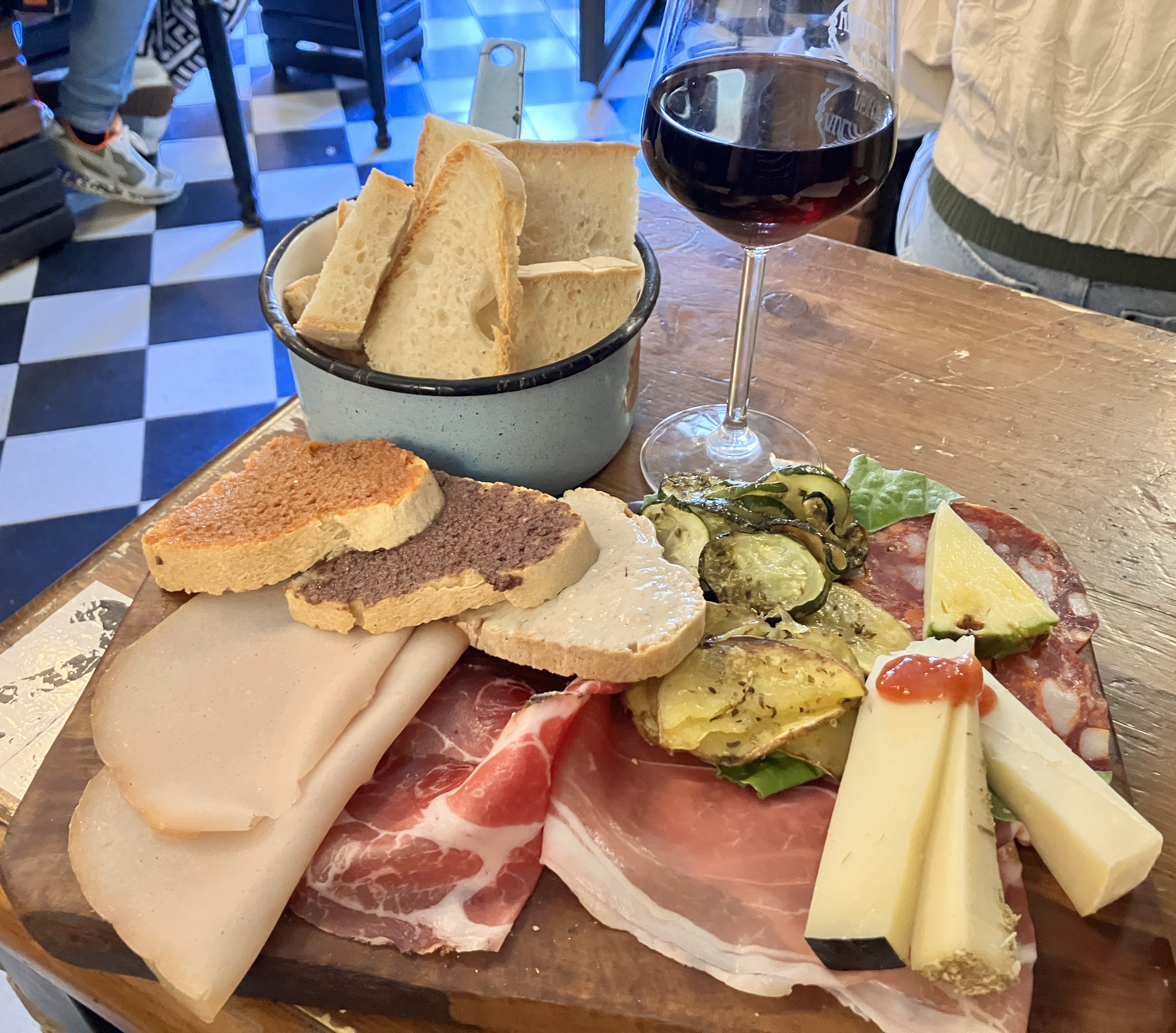


Though Naples also has its own regional dishes, I’ve read a lot about its vibrant street food scene and pastries, so I was particularly excited to sample those. To that end, I’ve been gorging myself on goodies since I arrived, including things like:
- Pizza: Naturally. It’s typically eaten unsliced here, with a fork and knife. If you’re ordering it as a street food, they’ll fold it up for you and call it ‘pizza a portofoglio.’ (This one isn’t pictured, but the remainder are in order in the images below, left-to-right.)
- Cuzzietiello: Half a stale baguette, hollowed out, then stuffed with a ragu filling of your choice. Mine was meatball ragu.
- Sfogliatelle: Means “small leaves,” which is exactly what one of these looks like. It’s got leaves of crispy dough on the outside (but you can get a soft version) and filled with cream on the inside. The cream can be anything, but I went for the more traditional sweetened ricotta filling with a hint of orange.
- Baba: Rum-soaked, spongey cakes of deliciousness. These are so soaked, they practically burst in your mouth. (This is the small mushroom-looking thing next to the sfogliatelle—it’s a mini version. The full-sized ones are very big.)
- Panino Napoletana: These aren’t like other panini (which are just sandwiches here, not like the pressed “panini” we have at home). Panino Napoletana are different in that they’re made of soft dough filled with meats, cheeses, and sometimes vegetables, then rolled up and baked.
- Crocche di patate: Mashed potatoes, mixed with cheese and sometimes other fillings, then breaded and fried.
- Taralli: A traditional, widely eaten snack that’s like a flavored cracker or breadstick. Can be sweet or savory.
- Frittatina di pasta: An inventive way to use leftover pasta—mix it with béchamel sauce, cheese, and sometimes meat, then bread it into a croquette and fry it. I was skeptical about this one, but it’s surprisingly delicious!
- Cuoppo: A cone-shaped paper that holds various fried items like zucchini, seafood, potatoes, etc. I tried the mixed seafood, which contained alici (anchovies). Delicious!
- Panuozzo: A sandwich made from leftover pizza dough with fillings, wrapped and baked.
- Tiramisu: I mean, naturally I had to try it at least once while I’m in Italy. Naples isn’t particularly known for it, but it was delicious nonetheless.
Note there’s a theme—many of the most common street foods are just creative ways to reuse leftover pasta, dough, bread, sauce, meats, and vegetables. Nothing goes to waste!
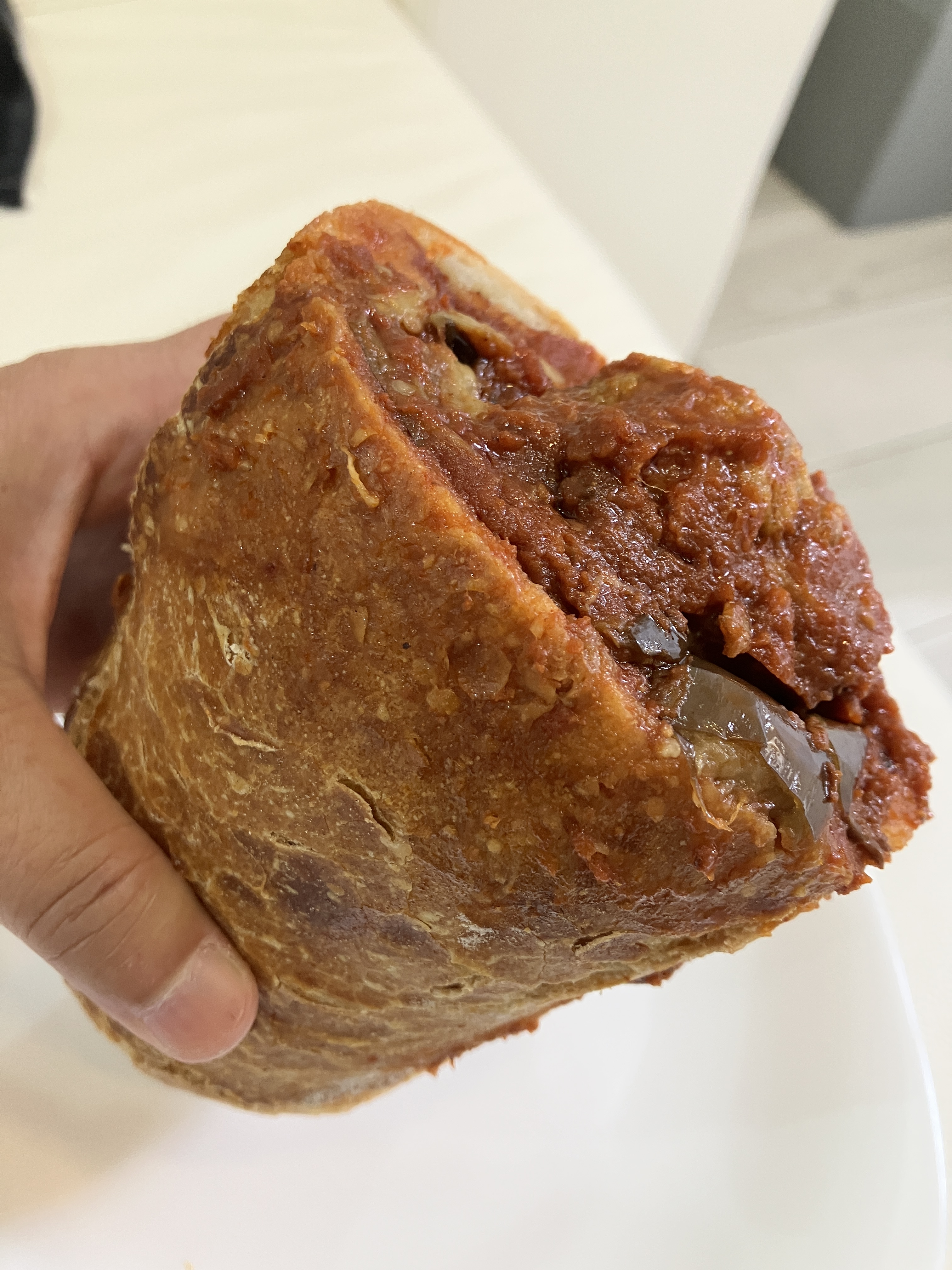


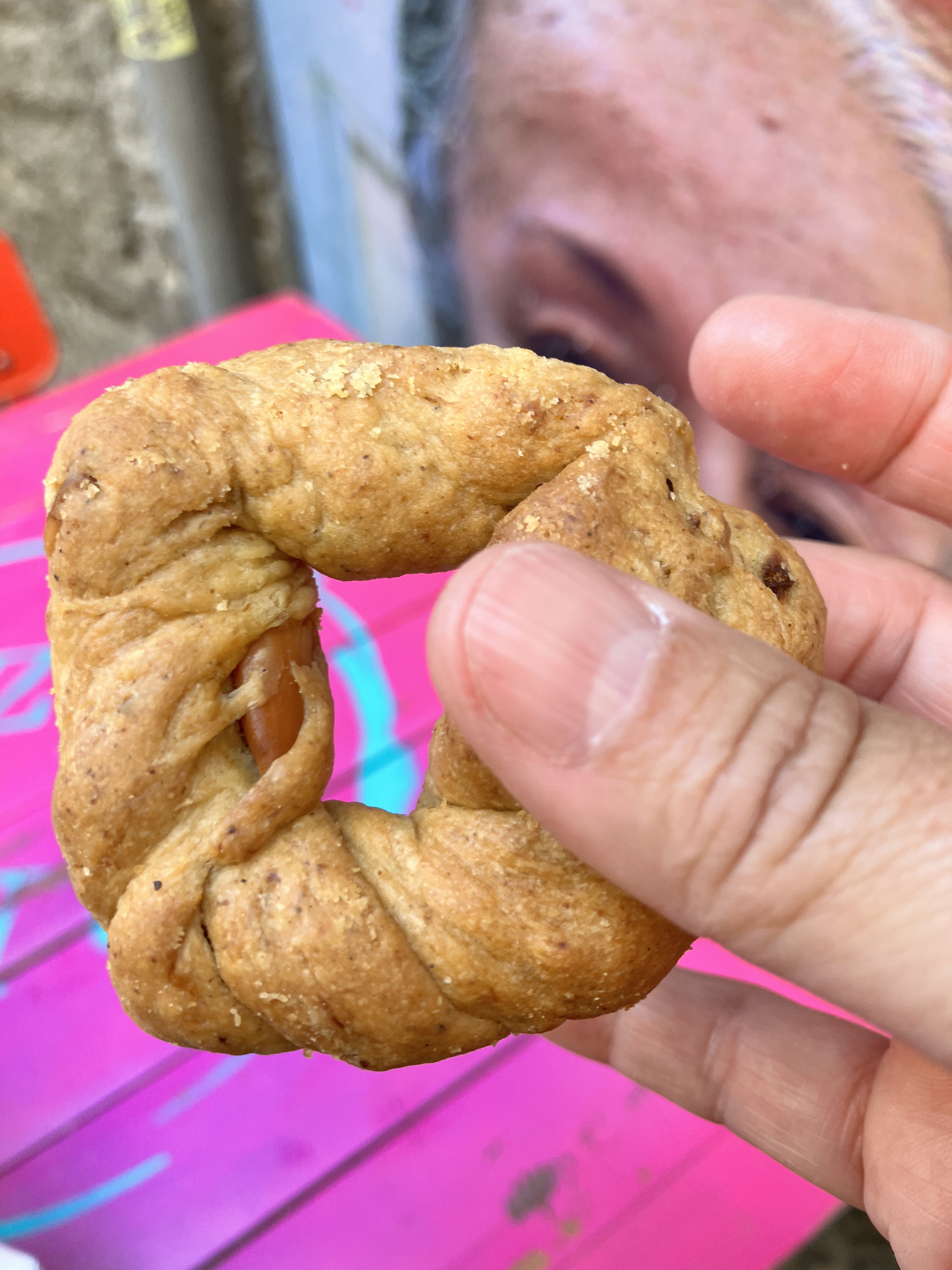


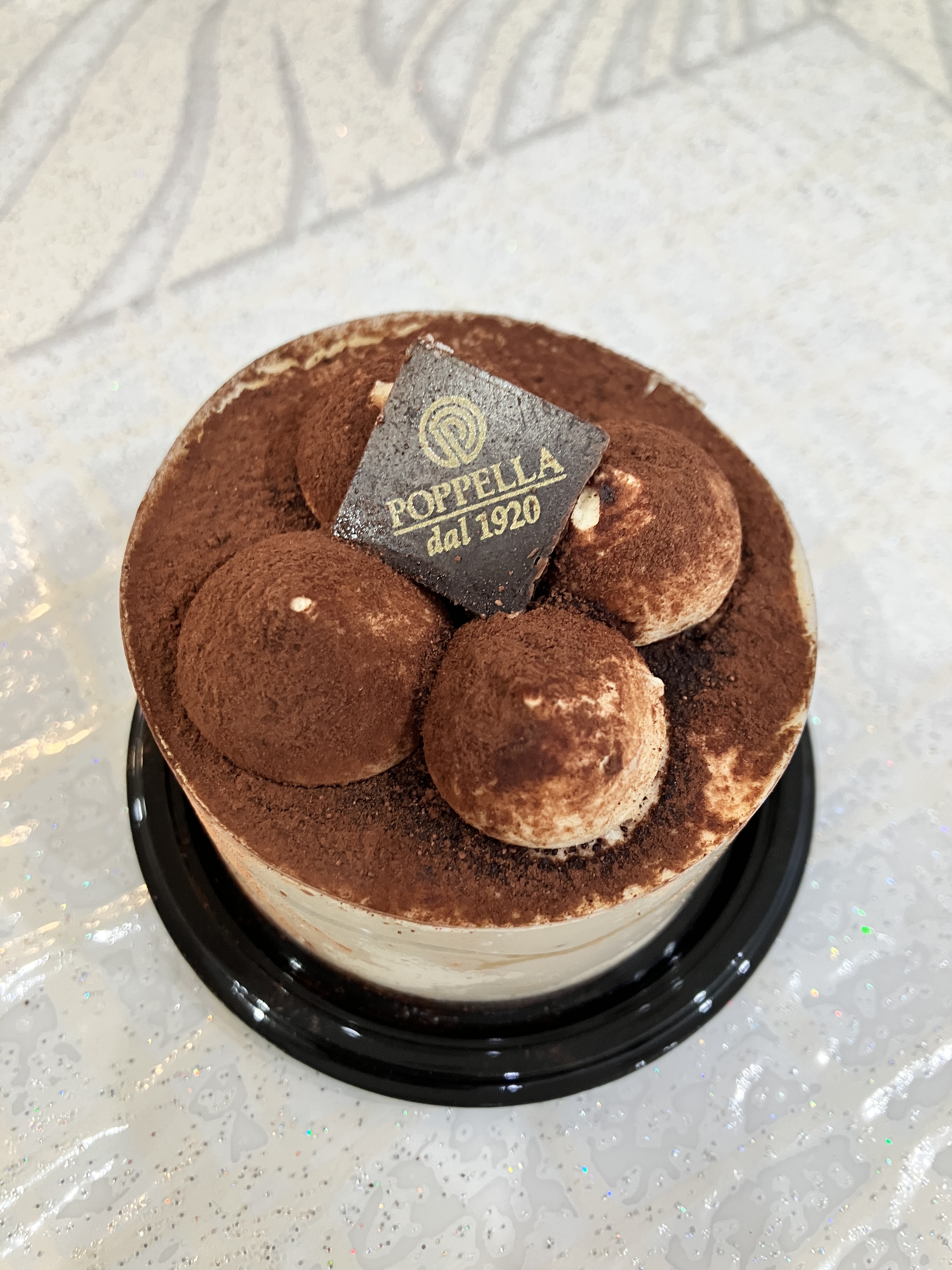
In short, I’ve eaten like a teenager since I got here. Though there’s a long list of street foods and pastries I still haven’t tried, I am banning anything fried and spicy for the remainder of my stay (cue violins). It’s been a fun (and fattening) ride, but it’s also been a recipe for acid reflux. Thankfully, there are still plenty of delicious foods here that won’t wreak havoc with my stomach and I look forward to focusing on those during my remaining time here…



 tales of wander
Leave a comment