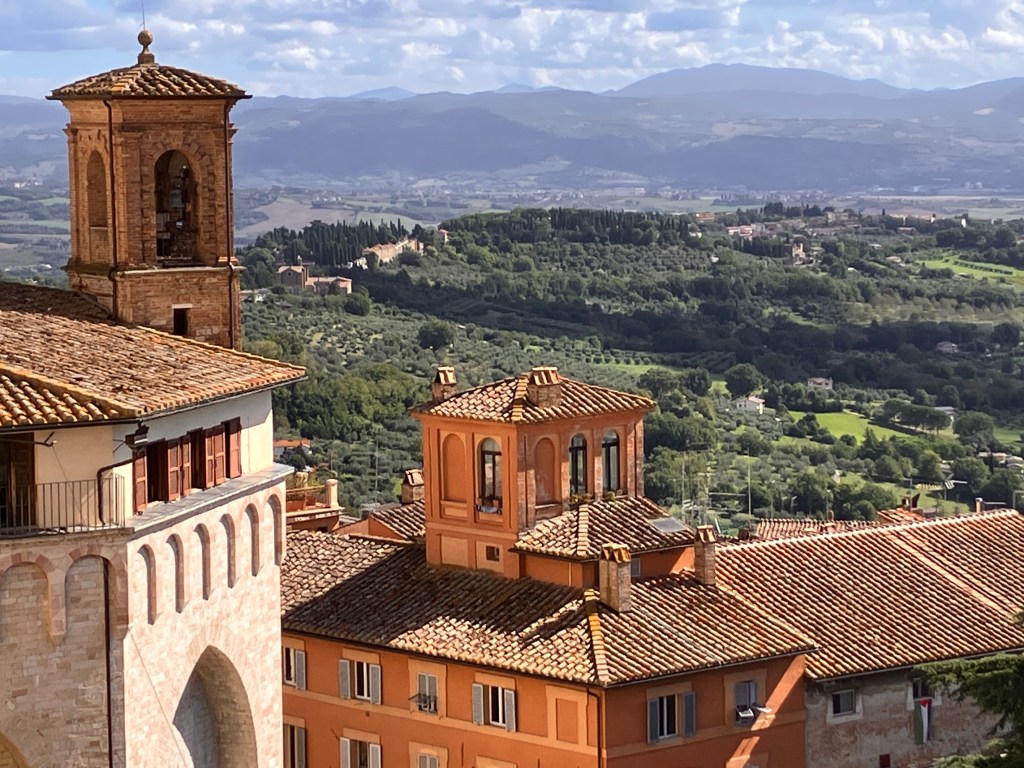
After Lucca, I took the train to Perugia, the “green heart” of Italy and the capital of the Umbria region. Nowadays, I no longer spend a lot of time researching the places I travel to beforehand; instead, I only do enough research to determine where I want to go and how to get there, then leave the details for when I arrive—this helps me focus my research based on what I’m in the mood for and keeps what I learn fresh and relevant. While this method works well for me, occasionally there are surprises—such as discovering that Perugia’s historic old town (where my Airbnb is) is at the top of a hill (and naturally, the train station is at the bottom). This is not an issue, exactly…but it does make walking around town (and finding a morning running route) a bit of a challenge. I haven’t seen this many hills and stairs since Dubrovnik.
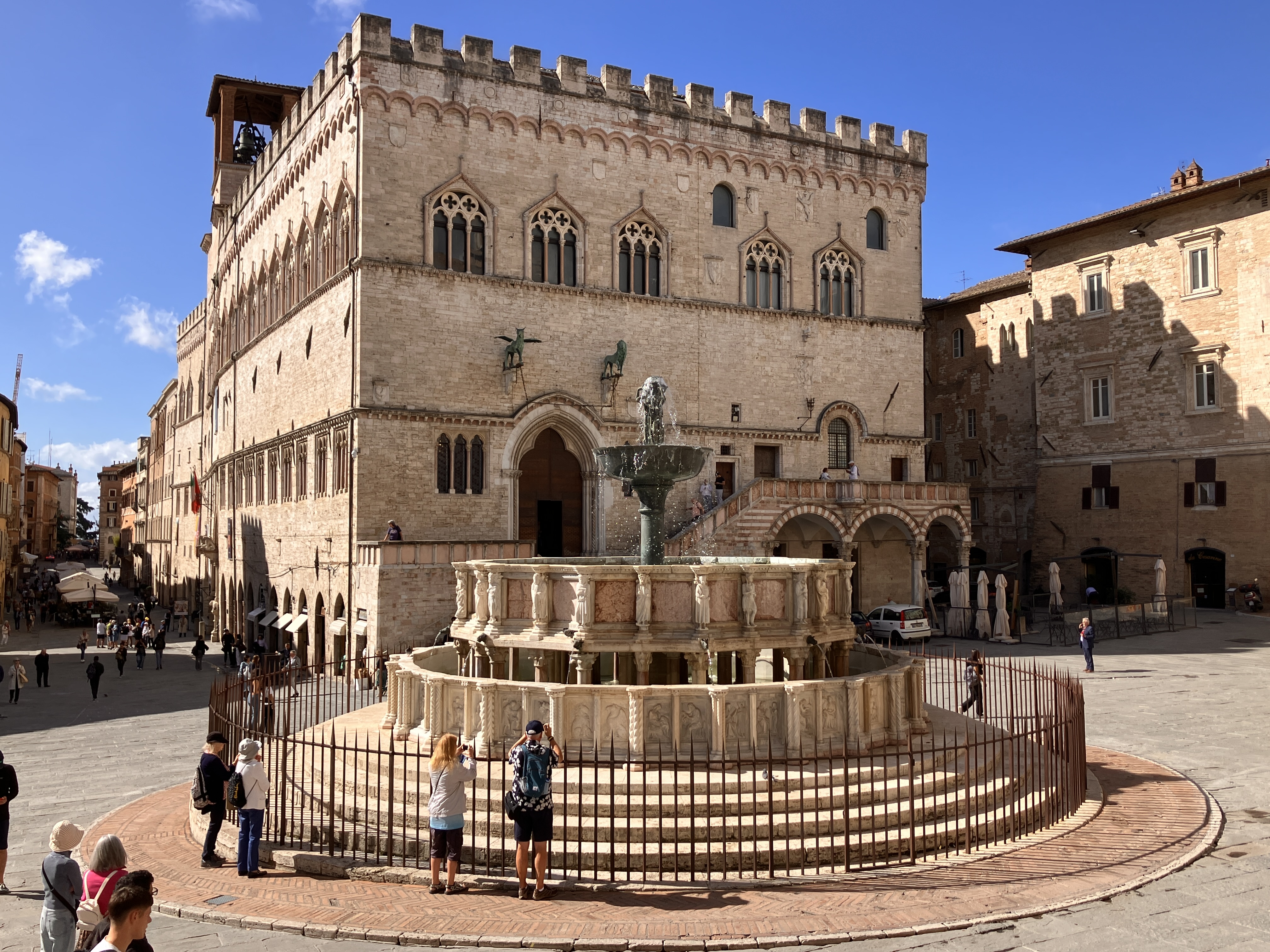
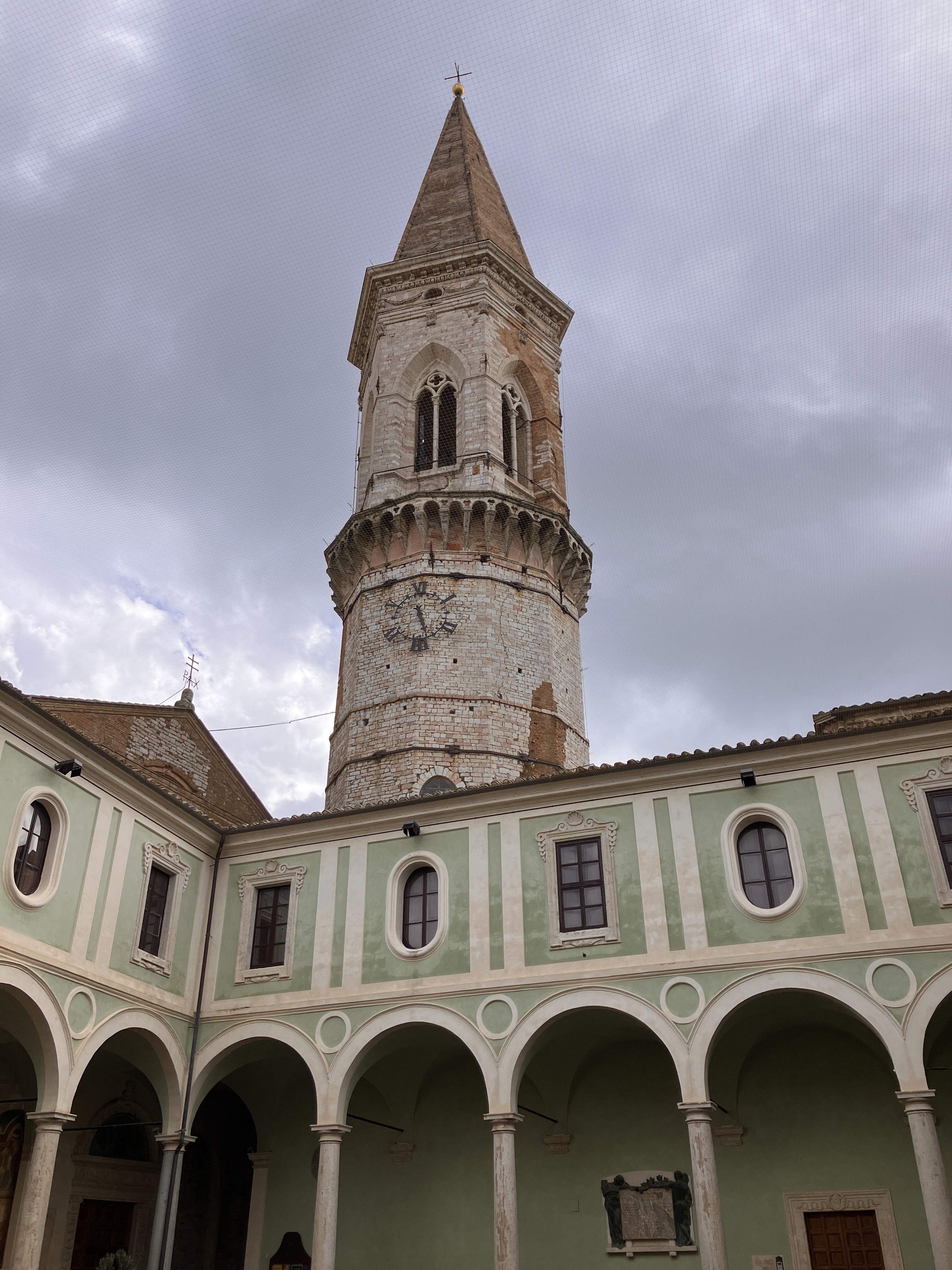
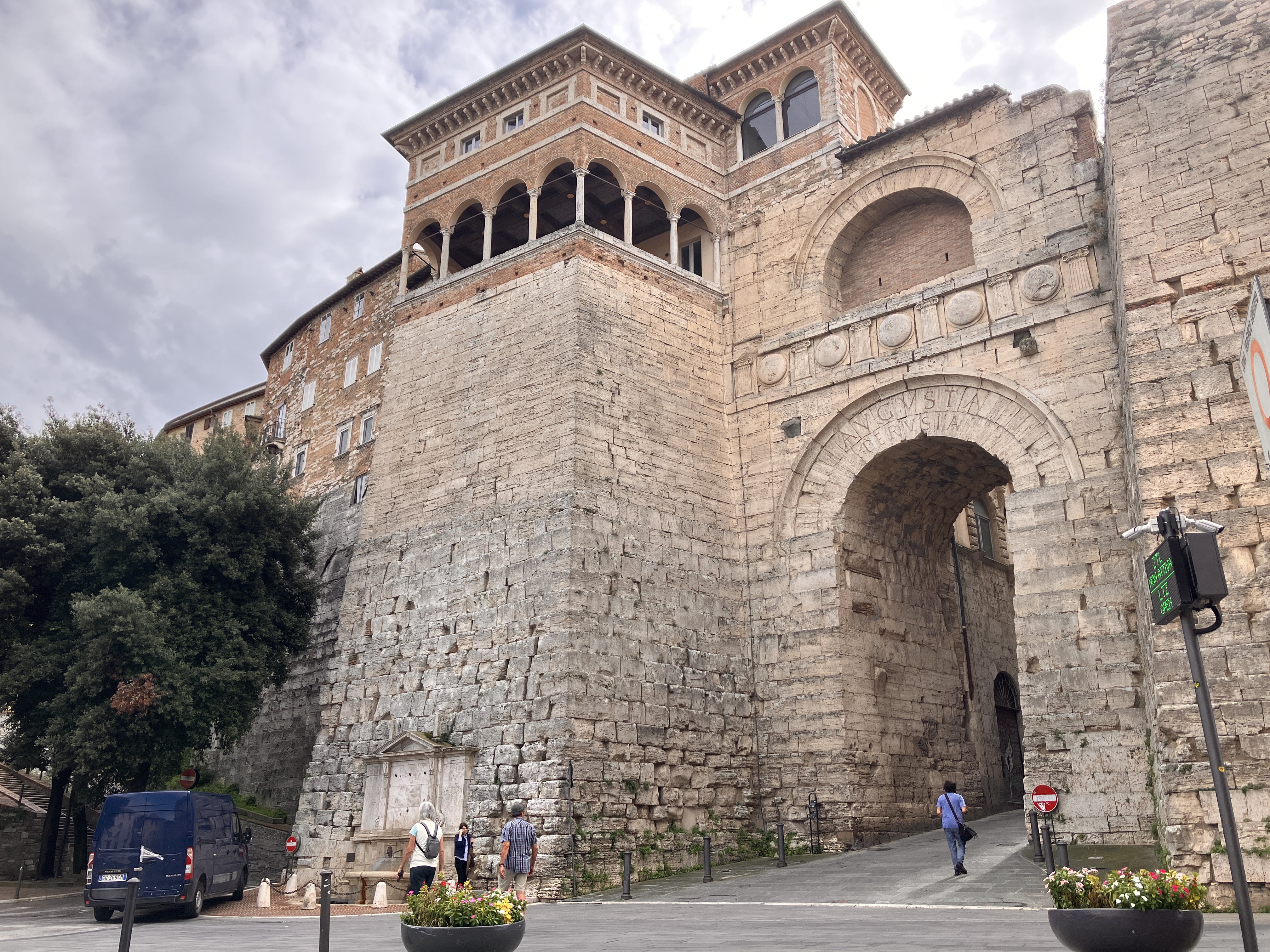
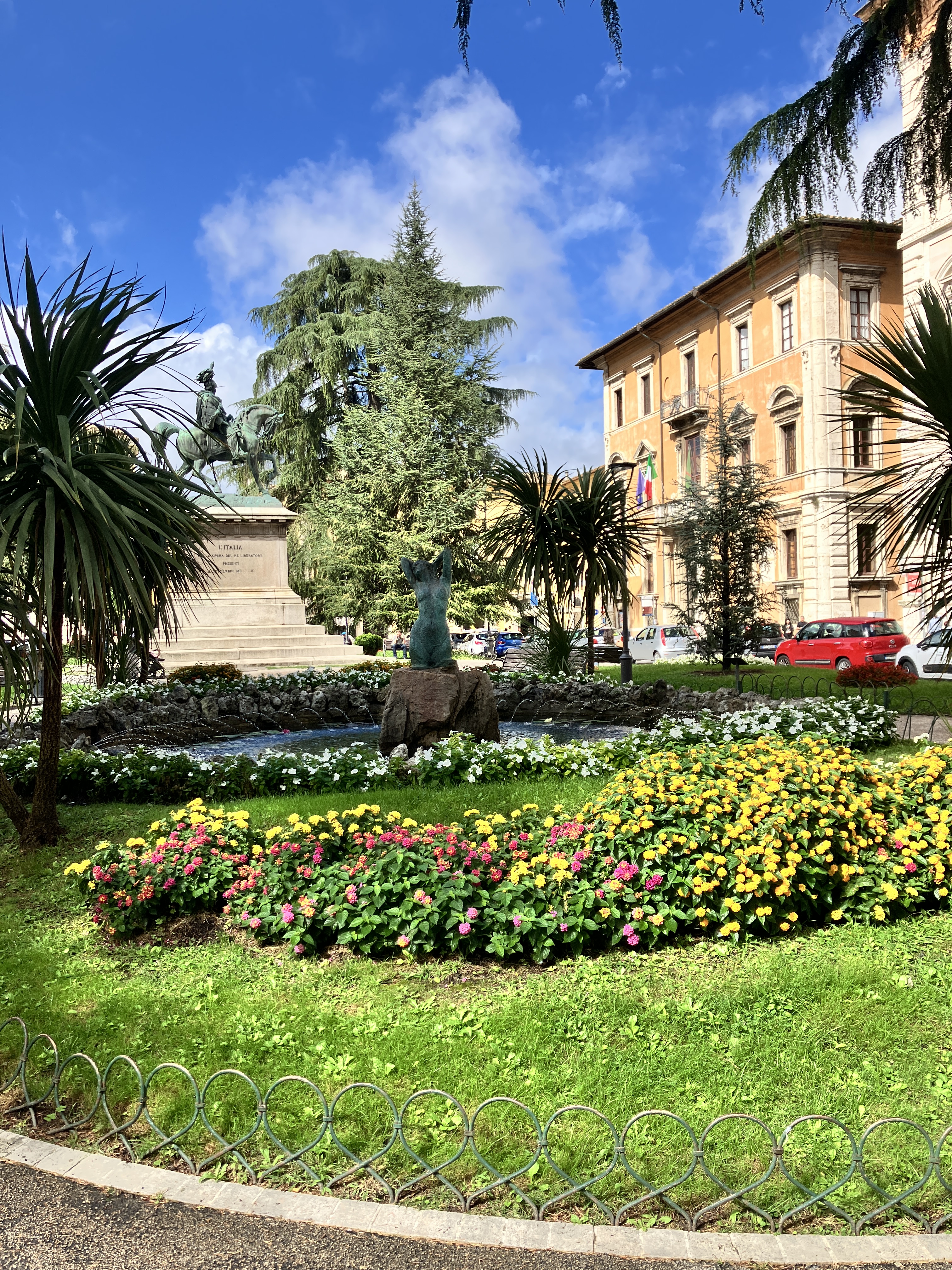
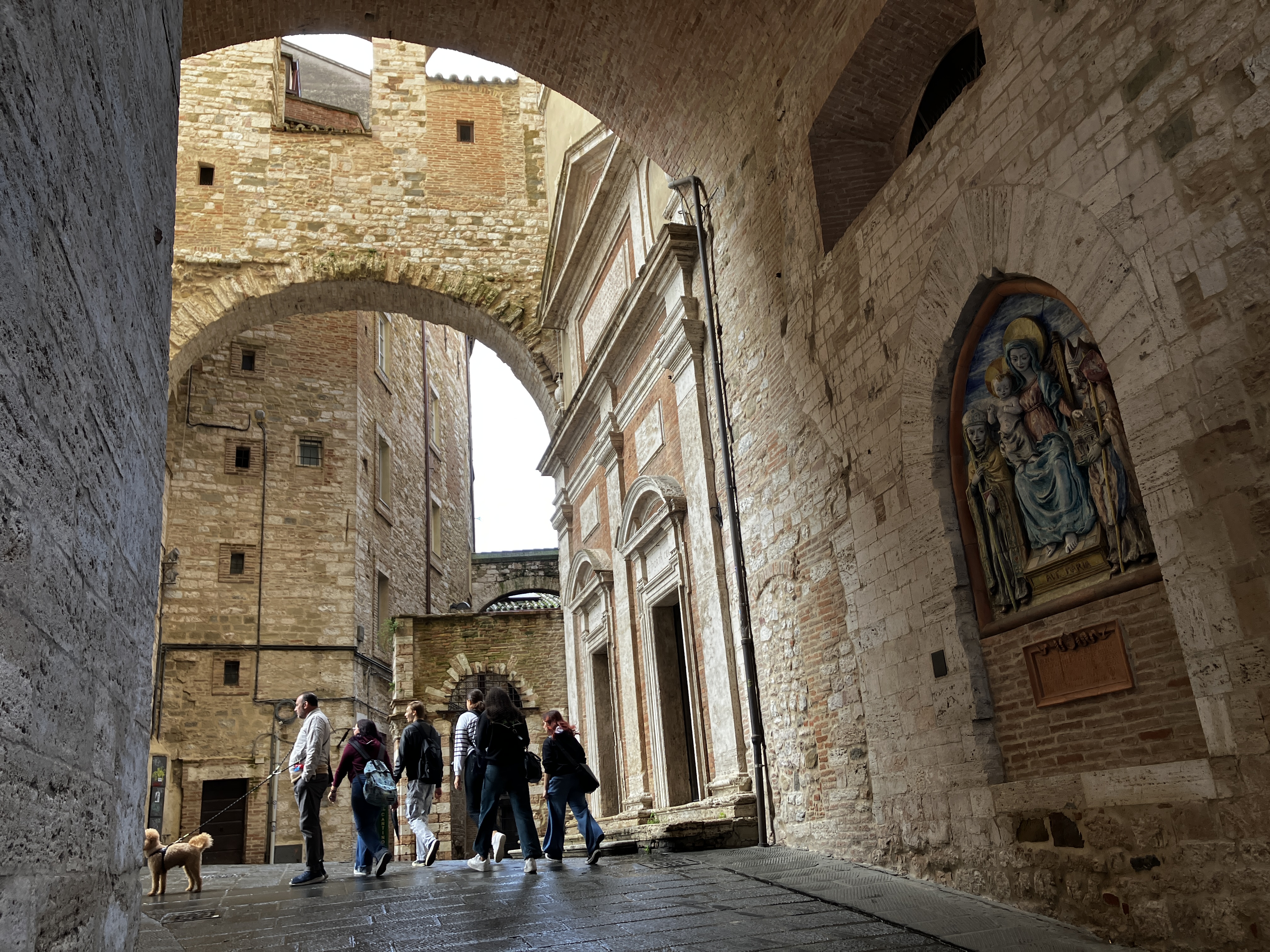

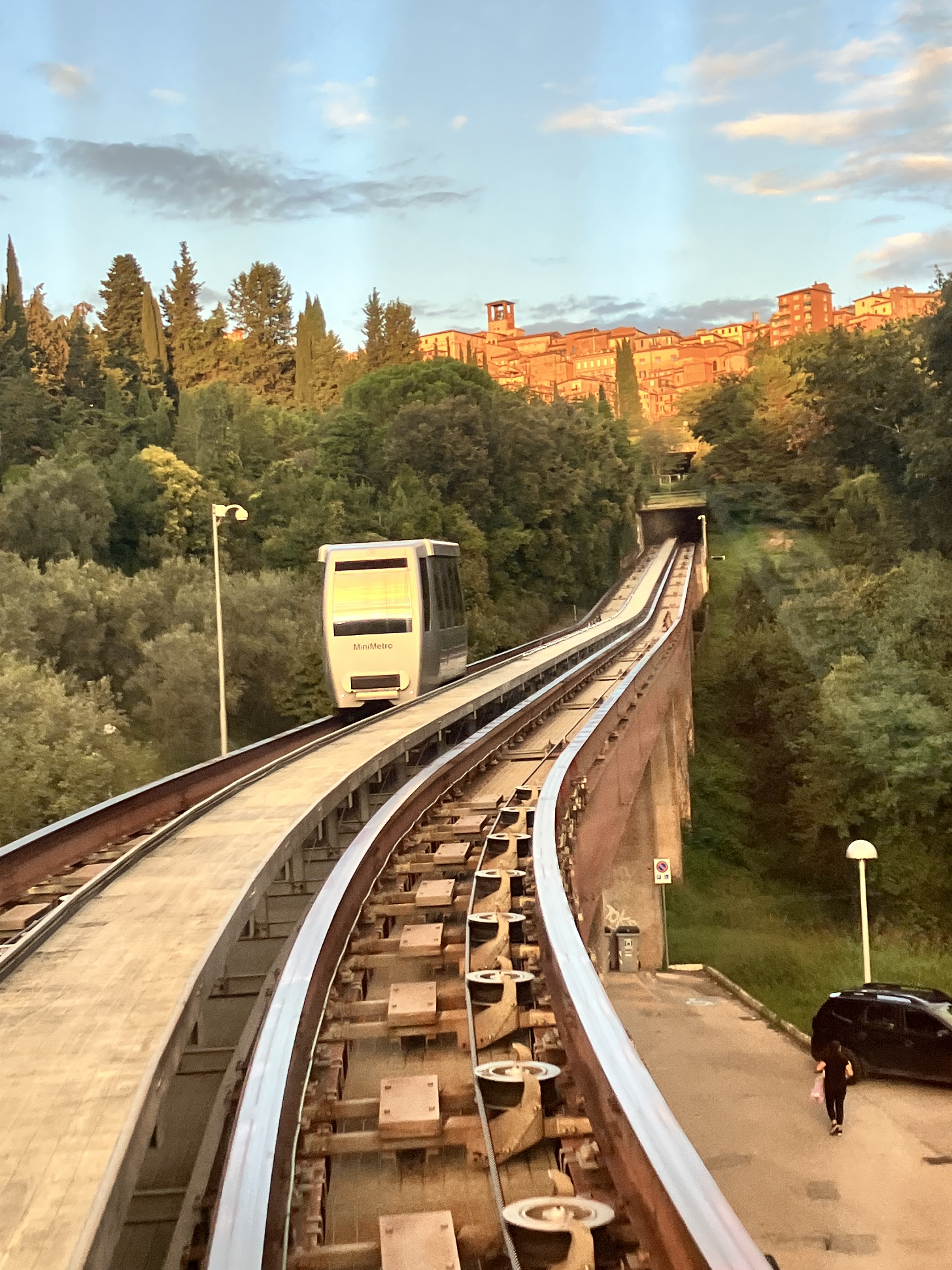
After having such a busy start to my trip, I had difficulty settling into my normal traveling pace (which tends to be much slower). When I arrived in Perugia I saw so many sights in one day that I realized I was continuing at a pace set by the cycling portion of my trip and forced myself to slow down. The slower pace is finally starting to settle in, which is helping me take in all the wonders of Perugia: the maze of narrow streets, the medieval architecture, the golden hue of sun shining on travertine, the hills and stairways around every corner. I love the way everything looks picturesque—it’s hard to know what to take a picture of here because just around the corner is something else that catches the eye or a breathtaking view to behold. Even the relentless hills have begun to grow on me—I particularly love all the ways Perugia makes it easier for you to get up and down them, such as strategically placed escalators and a “mini metro” system of cable cars that get you to the top and to other areas of town.

Though there is a lot to appreciate about Perugia, I will focus on a few highlights in this delightful little city:
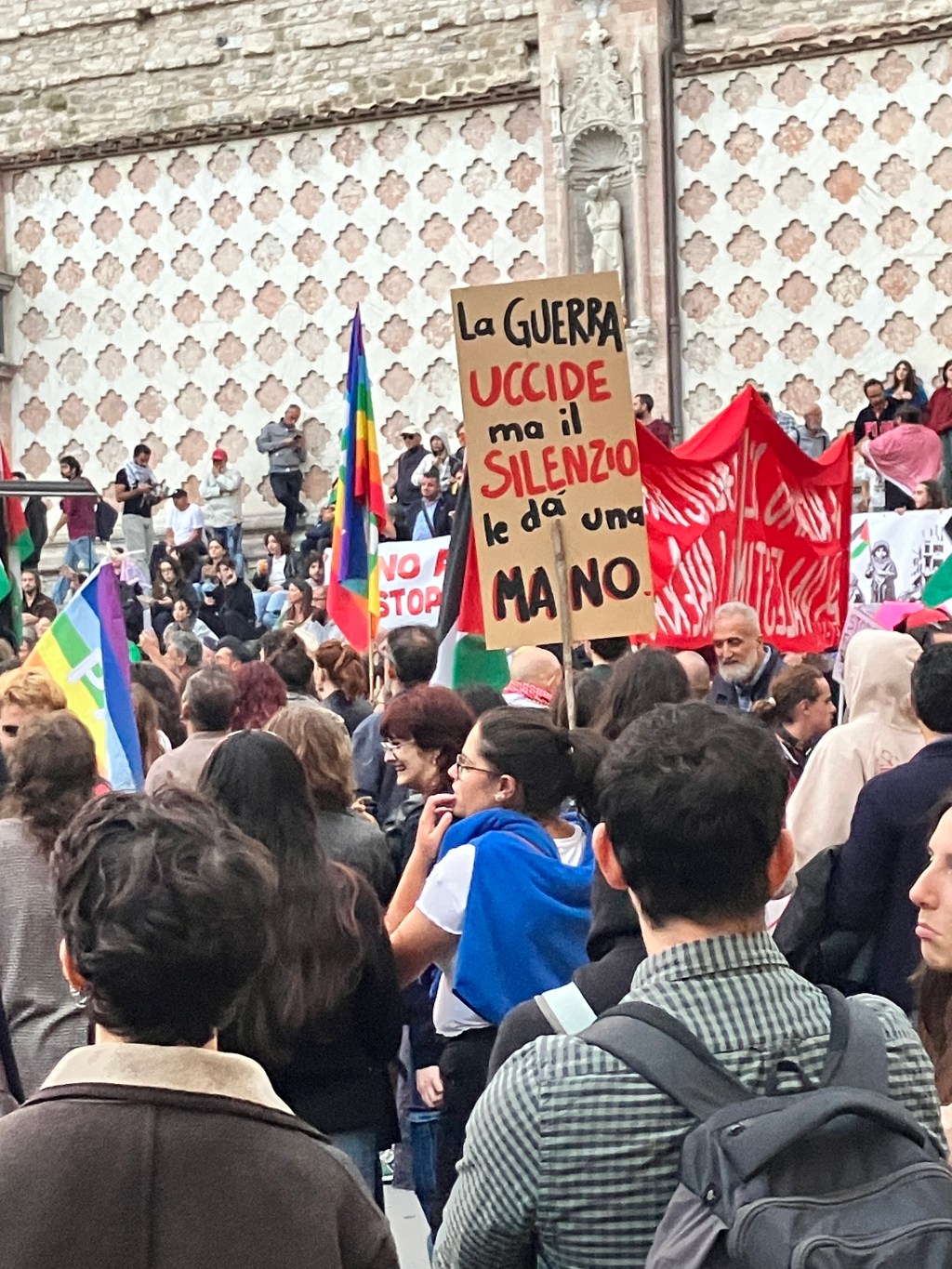
Piazza IV Novembre: The historic center of Perugia, built on the site of a gathering place that was used as a forum during the Roman times. This beautiful piazza transports you back to medieval times with several beautifully preserved monuments—the Cathedral of San Lorenzo, the Fontana Maggiore, and the Palazzo dei Priori—all of which were built between the 13th and 15th centuries and are built with the same travertine stone (with the exception of the Cathedral, which has some rosy Assisi stone mixed in).

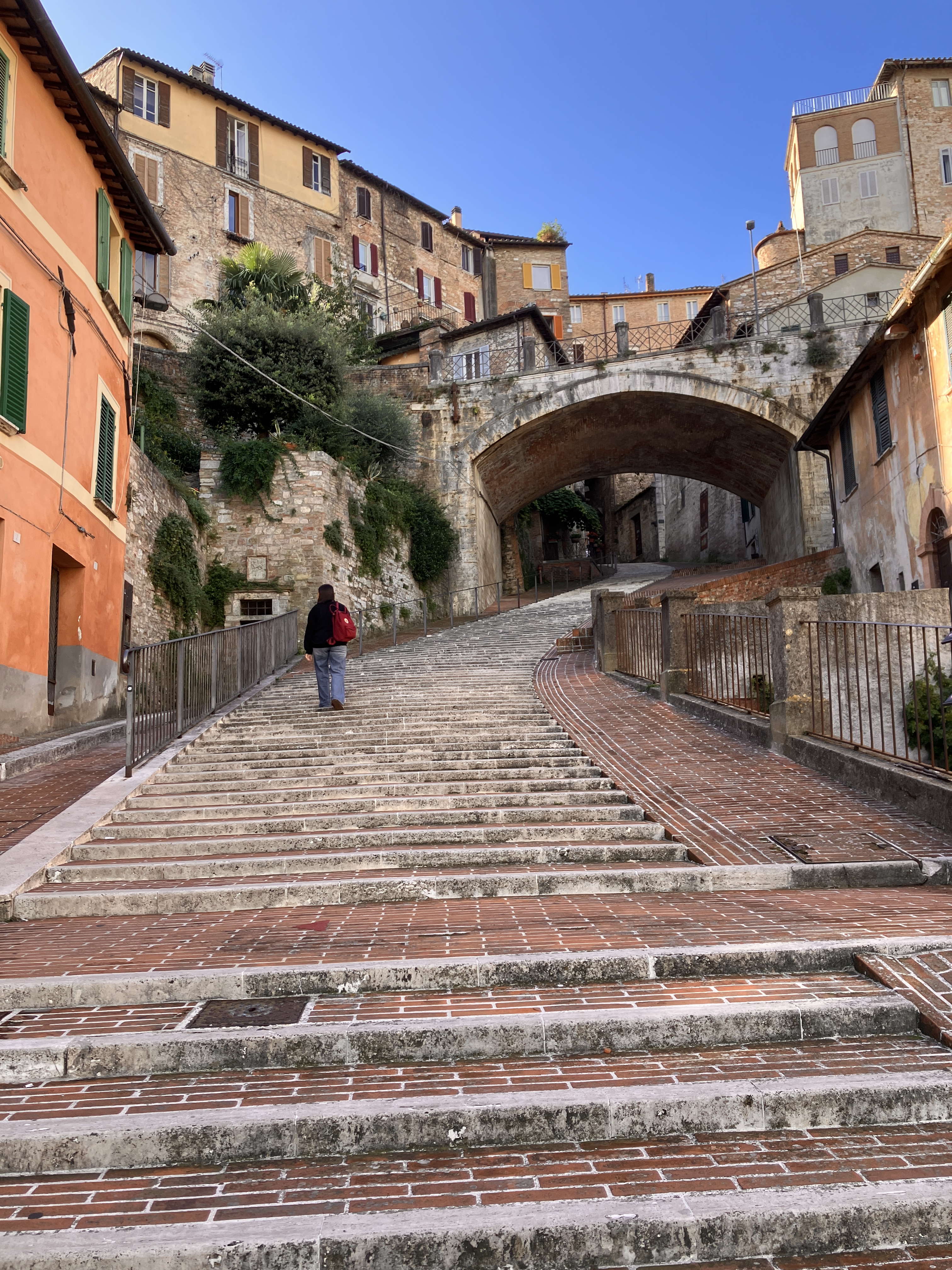
The aqueduct: This elaborate 13th century, 4km long aqueduct was originally built to supply water to the top of the acropolis, where the historic center of Perugia still stands, using water from a source below it (i.e., the water needed to go uphill). To accomplish this, a system of communicating vessels and static pressure ducts was constructed to enable the water to run uphill without the use of pumps. Fontana Maggiore, the historic fountain in the middle of Piazza IV Novembre, was built to commemorate this amazing hydraulic feat.


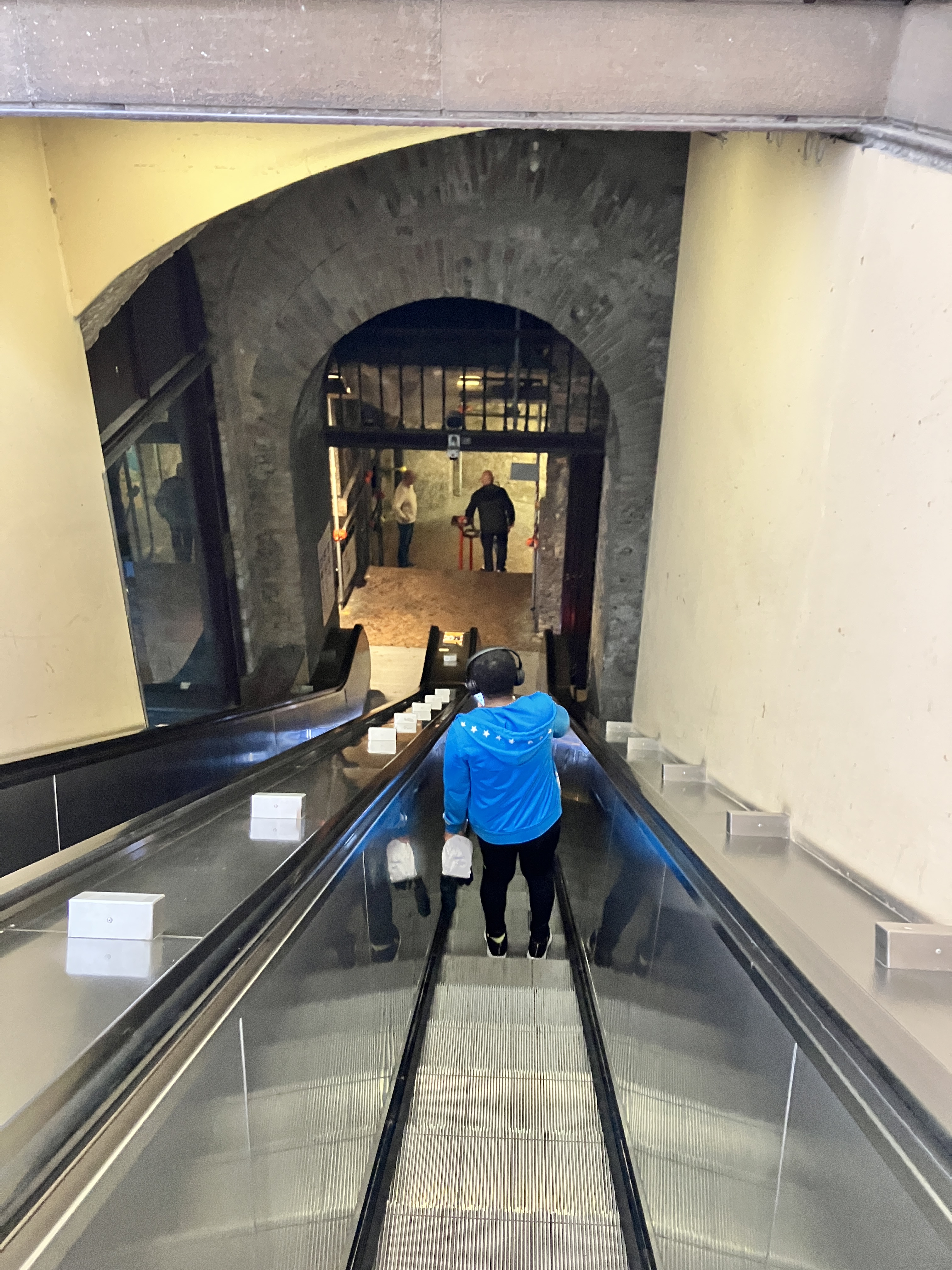
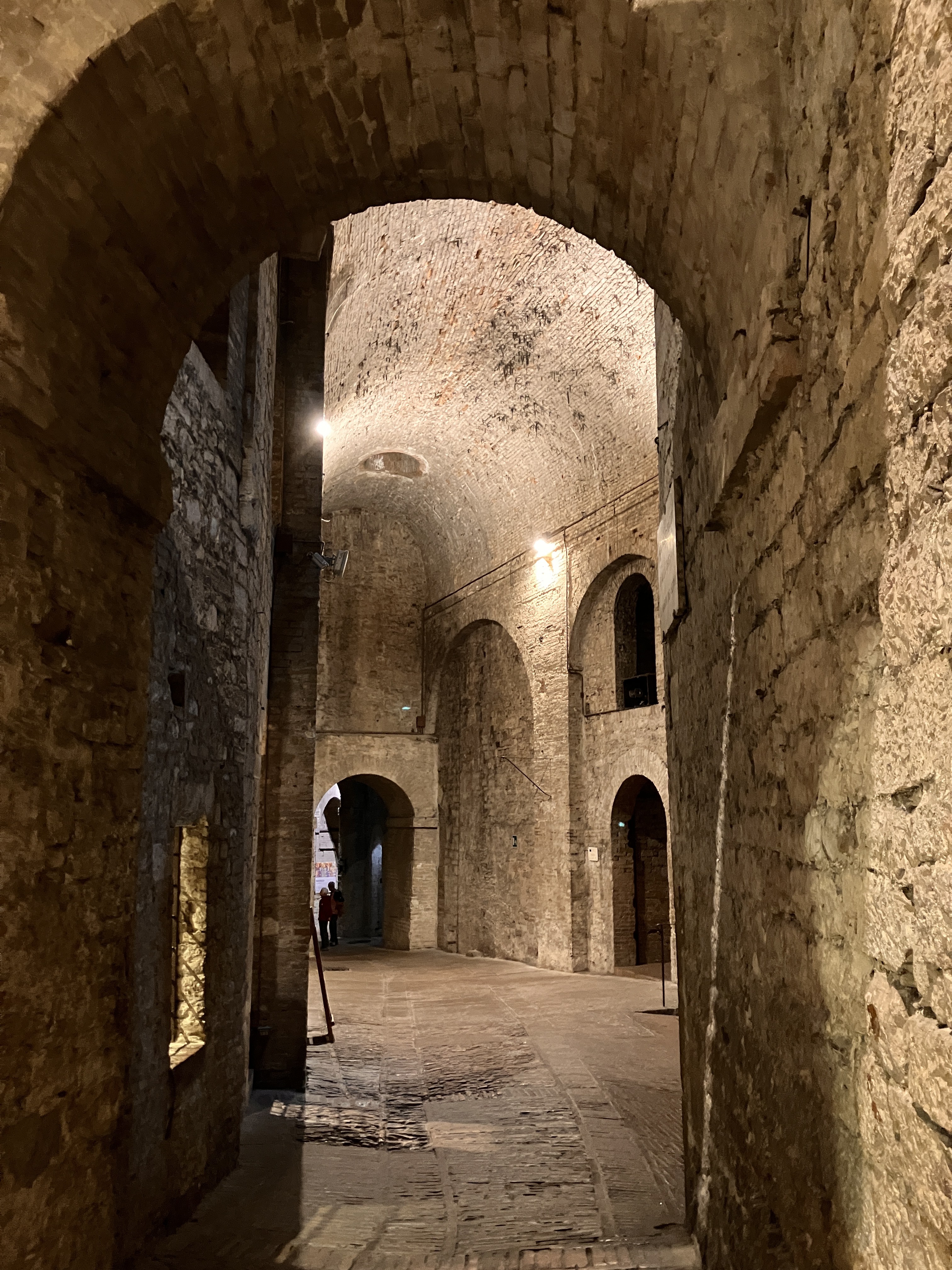
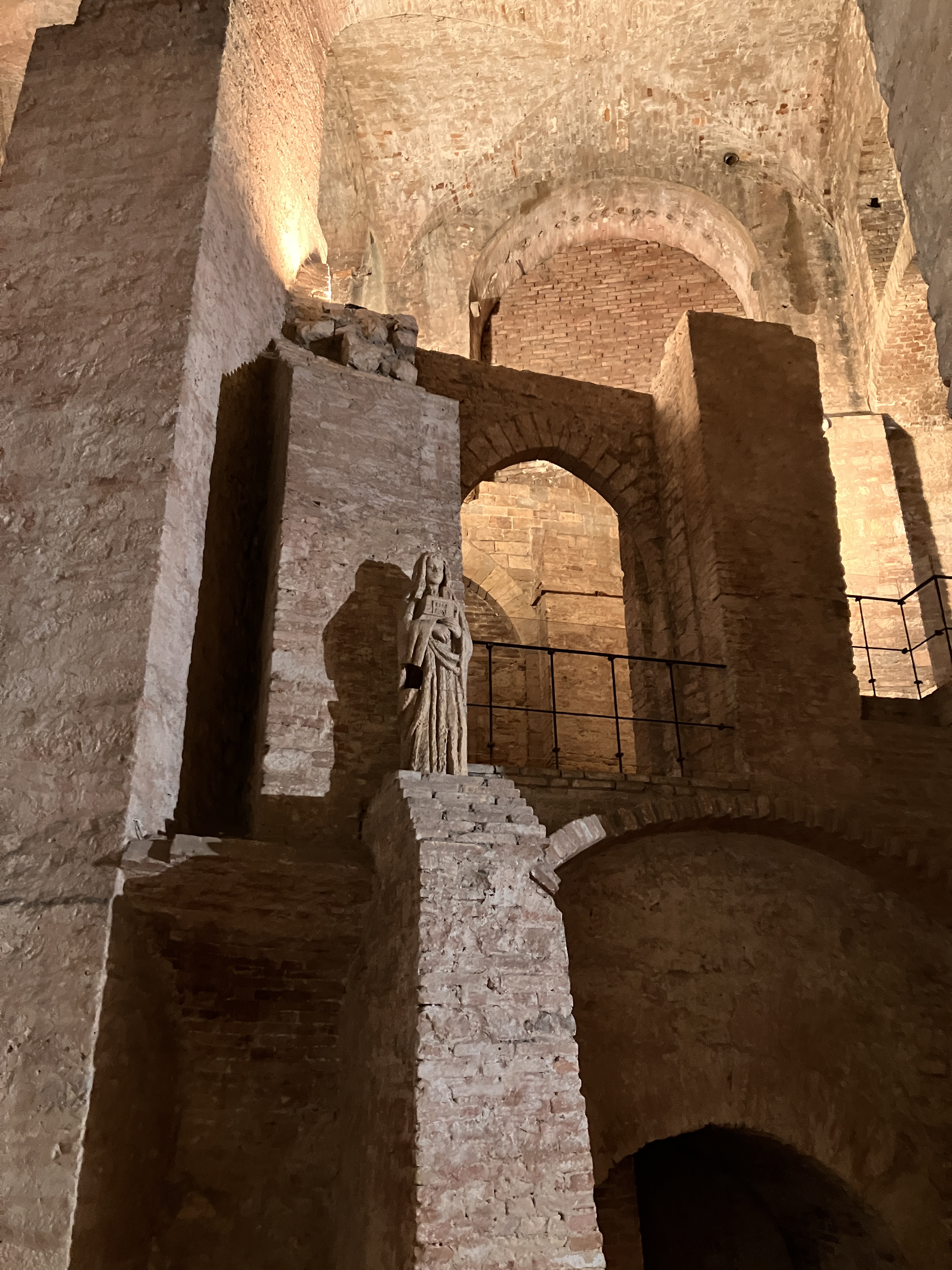
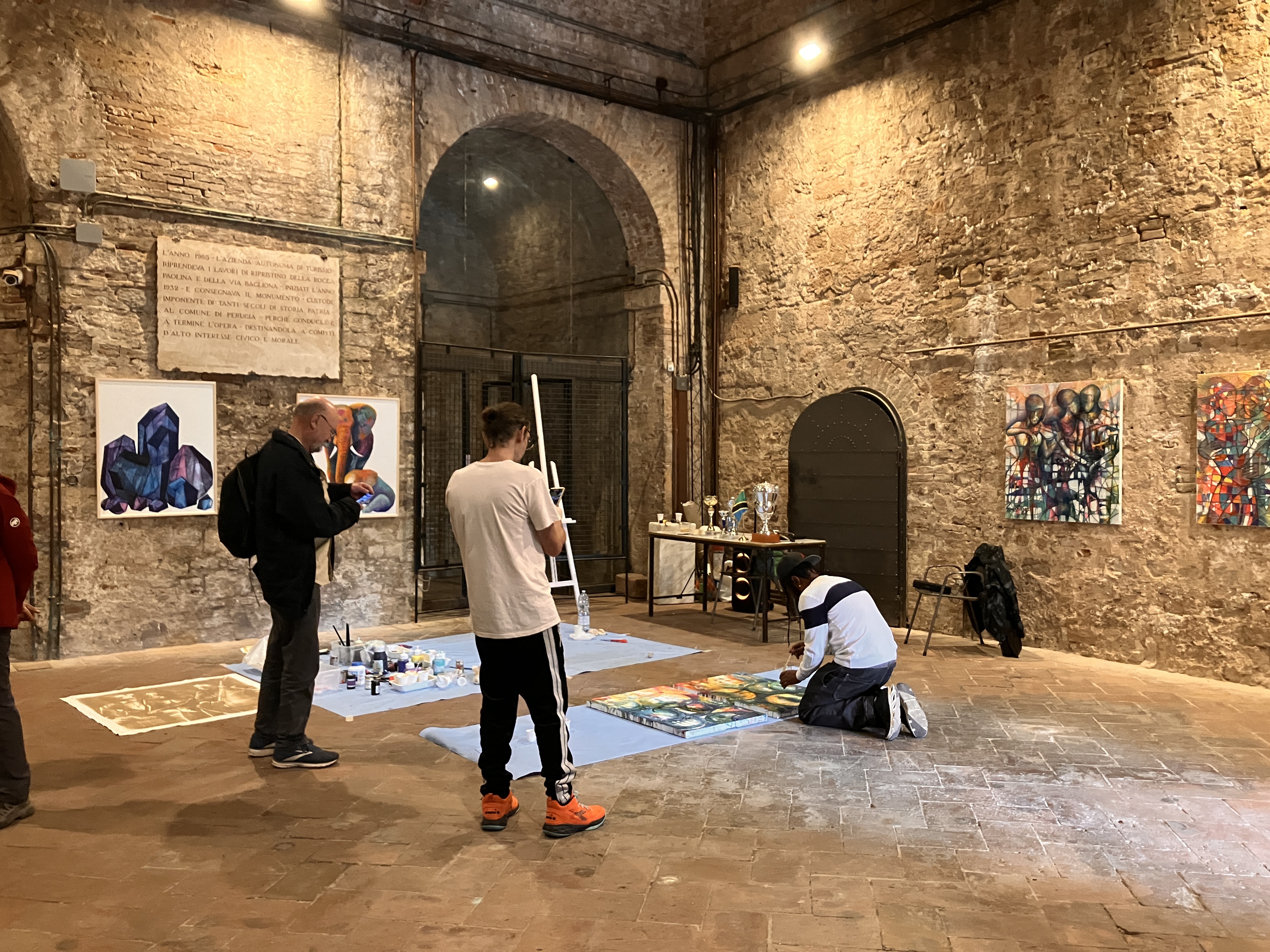
Rocco Paulino: A 16th century Renaissance fortress that was built by order of Pope Paul III. Typically, a fortress is built to protect a city from attacks, but this one was built purely so the church could assert its power over the city at a time when the people were rebelling over tax increases imposed by the Papal States. A quarter of the city was destroyed to build this fortress, including the homes of some of the most powerful families in the city. Understandably, the people of Perugia hated the fortress and destroyed most of it in the 1800s; however, what remains of its underground has been well preserved, complete with escalators to make it easier to visit its multiple levels.


One of the reasons I chose Perugia is because it’s a perfect home base to explore some of the nearby medieval towns. More on that to come…




 tales of wander
Leave a reply to Travel Tim Cancel reply