I’ve been remiss in posting because we’ve been preoccupied with travel and each other, filling our days with the decadent routine that I described in the last post. Between sips of coffee and wine (and bites of local dishes), we managed to squeeze in some fun and sightseeing. Here are a few highlights since I last wrote:
Cycling the Giordano Cottur Path
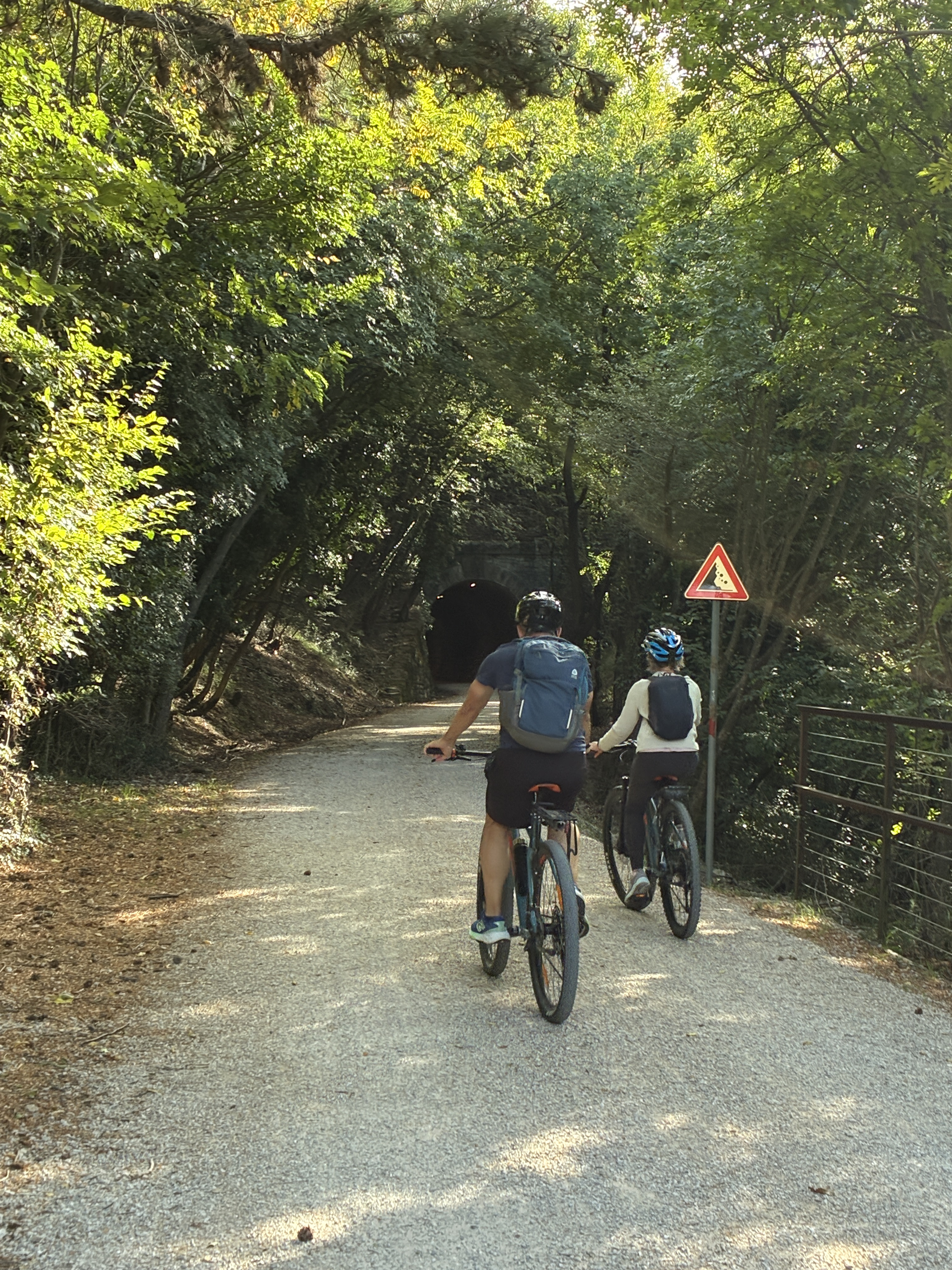
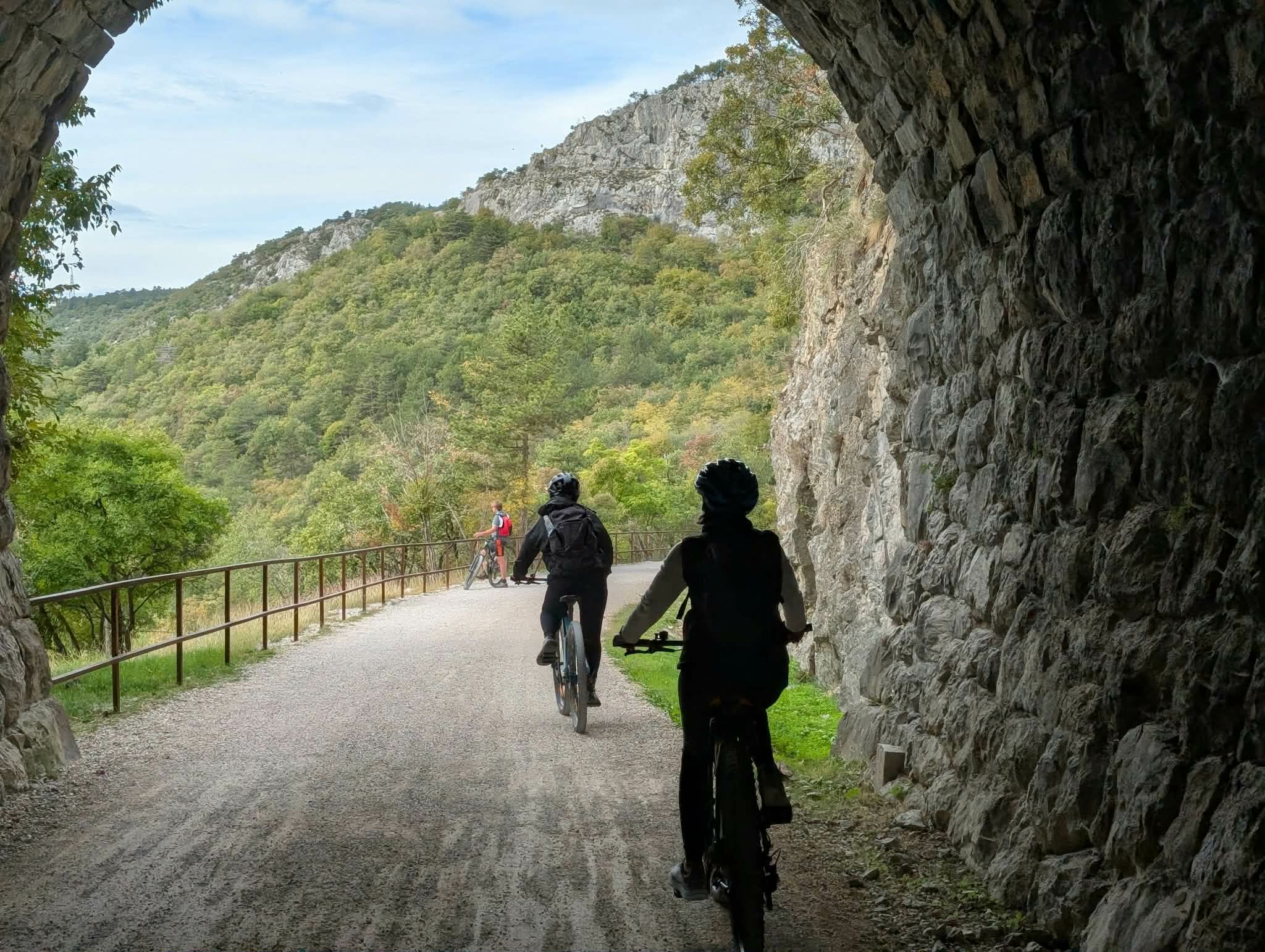
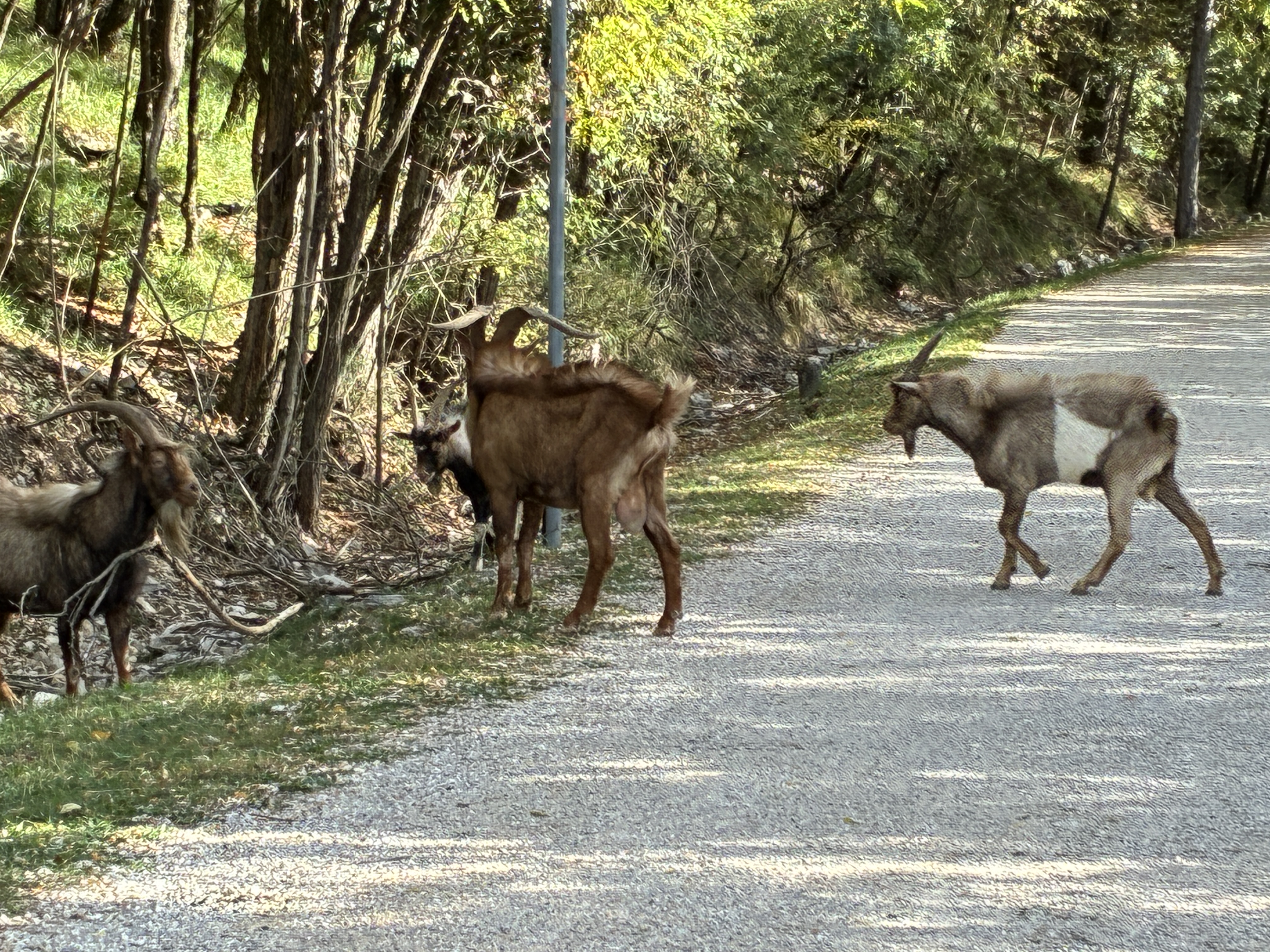
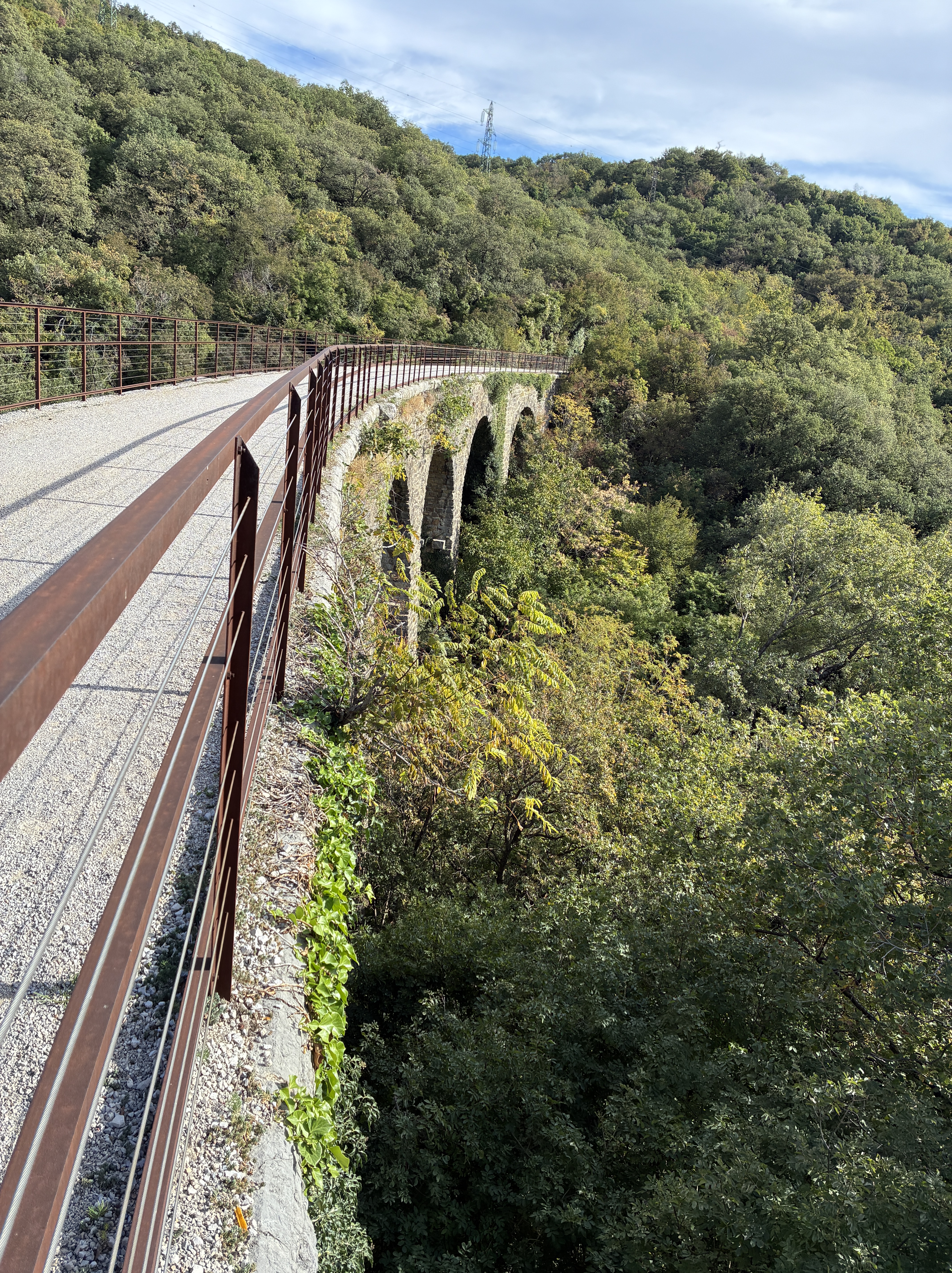
On a particularly nice day (there’s been lots of those), we worked off some caffeine and calories by cycling Trieste’s Giordano Cottur cycle path, which is a popular bike and pedestrian path that climbs out of Trieste and into Slovenia. The path starts paved, but gradually turns into pristine gravel. It also runs along a converted railway, so the uphill climb out of town and into the hills is barely noticeable, but still fun on the way back down. We enjoyed the peacefulness of the path, the random herd of goats we encountered, and all of the spectacular views of the valley below and the Adriatic beyond.
Trieste During WWII
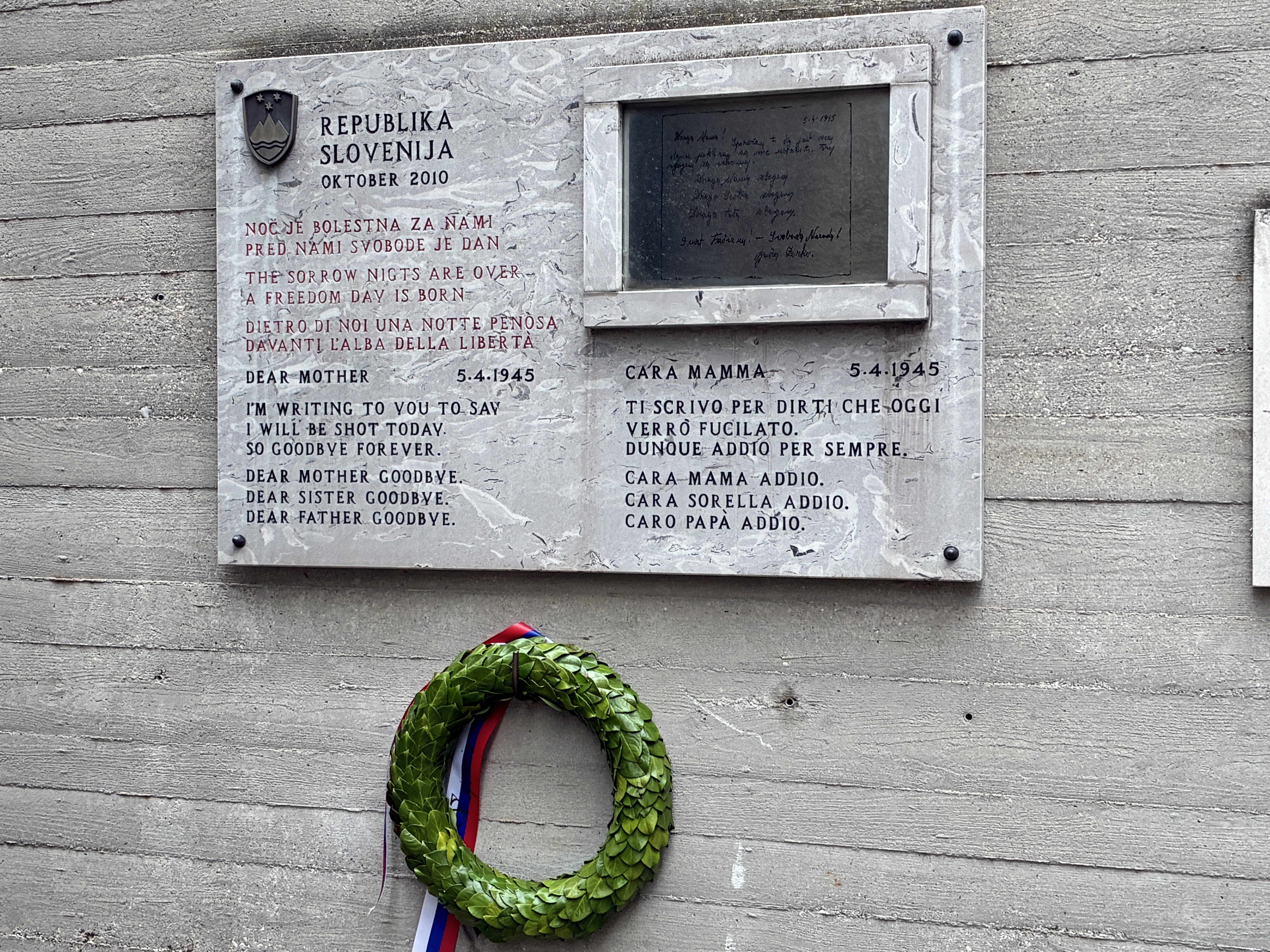
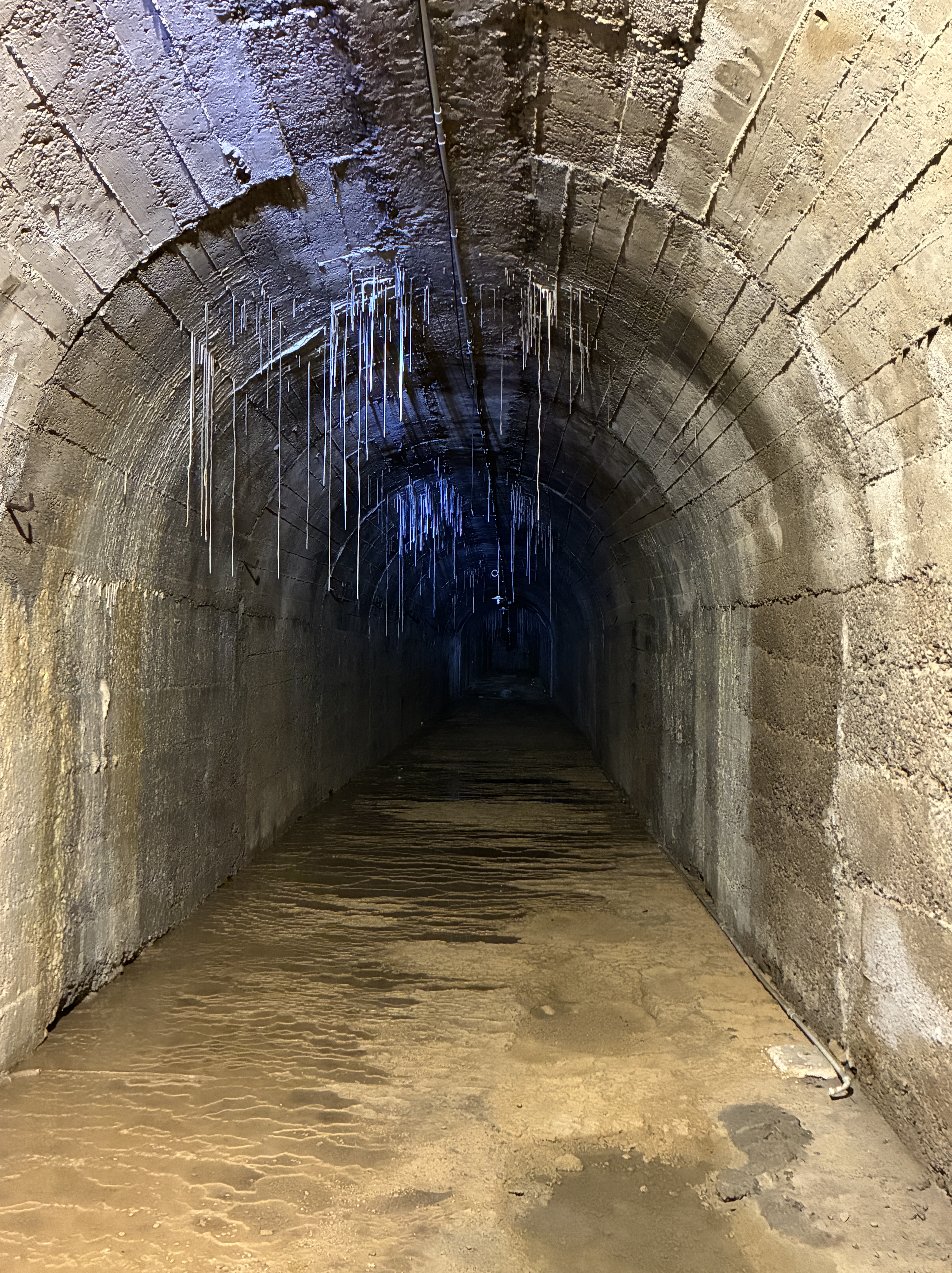
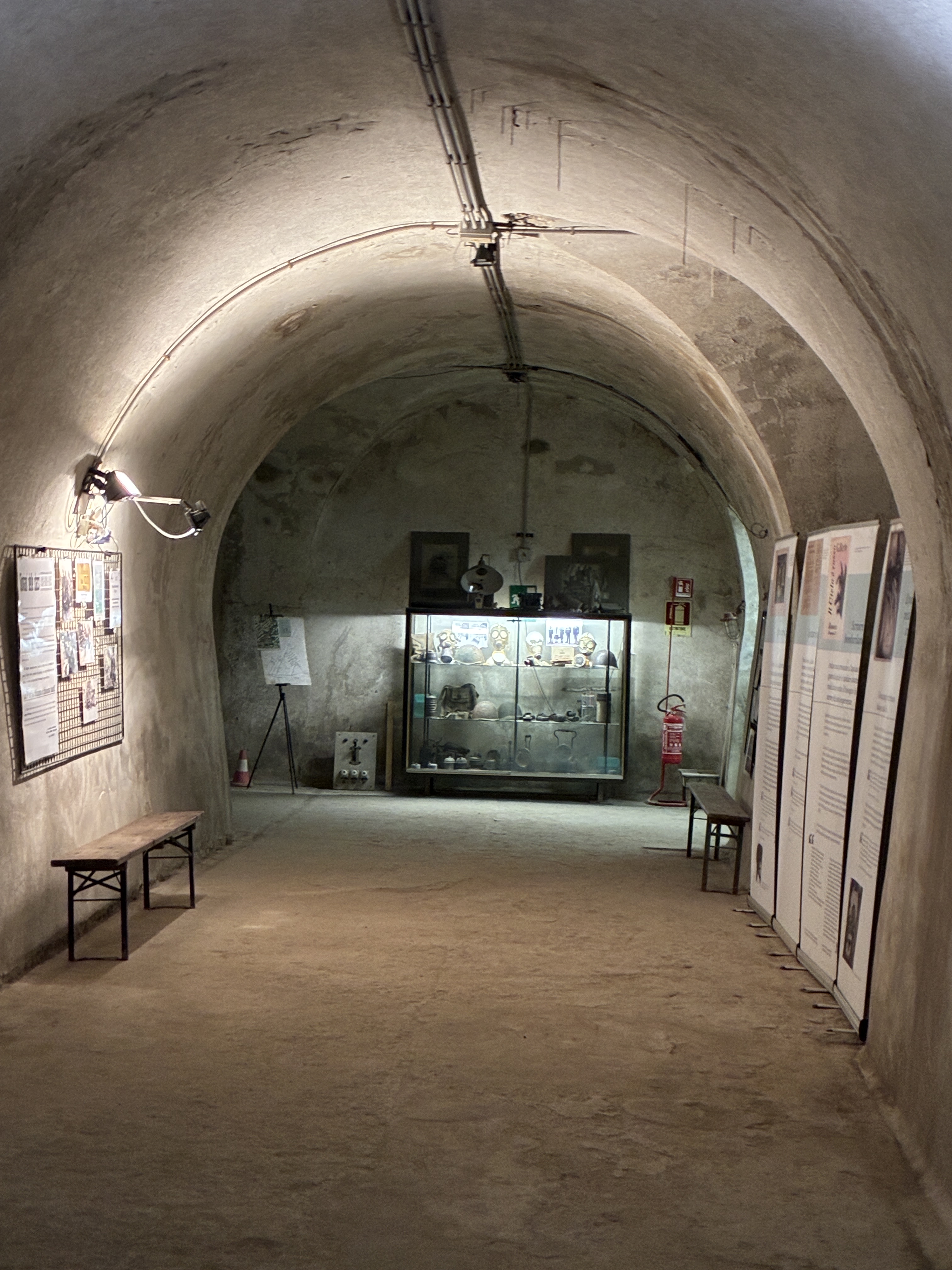
We also visited a few notable sites that paint a dark picture of WWII Trieste when it was occupied by Germany in 1943. Remnants of this period can be found both above and below ground:
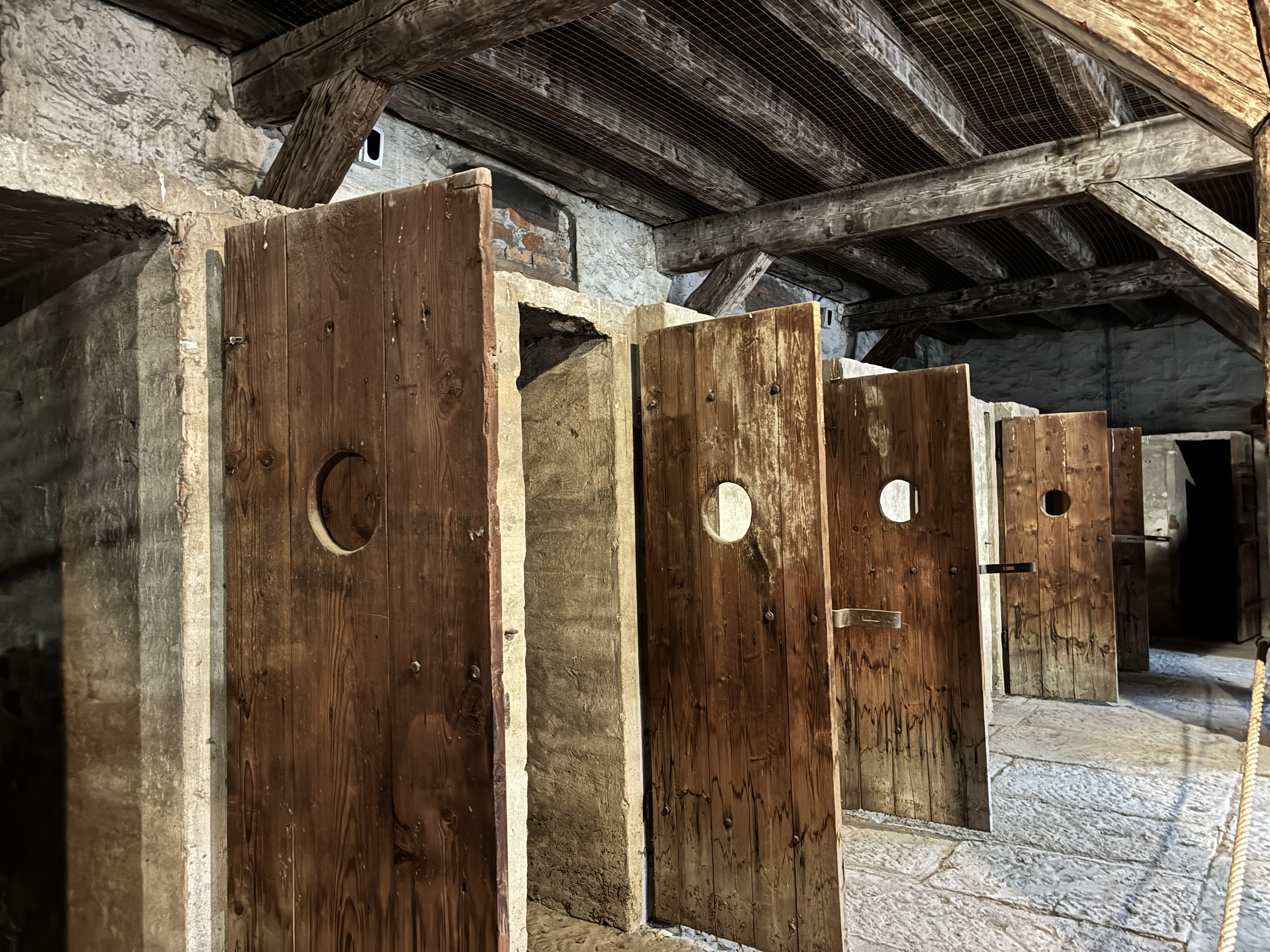
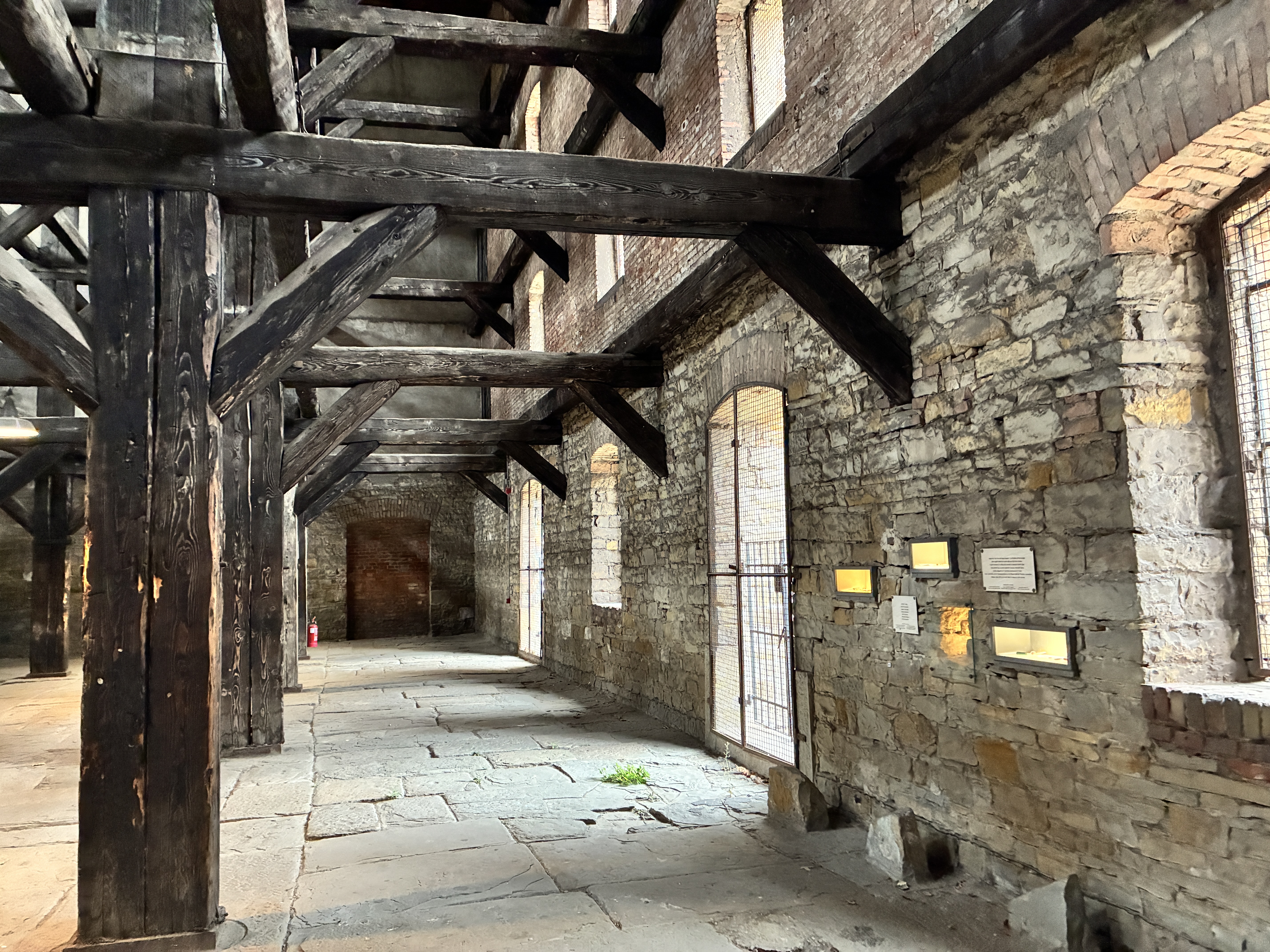
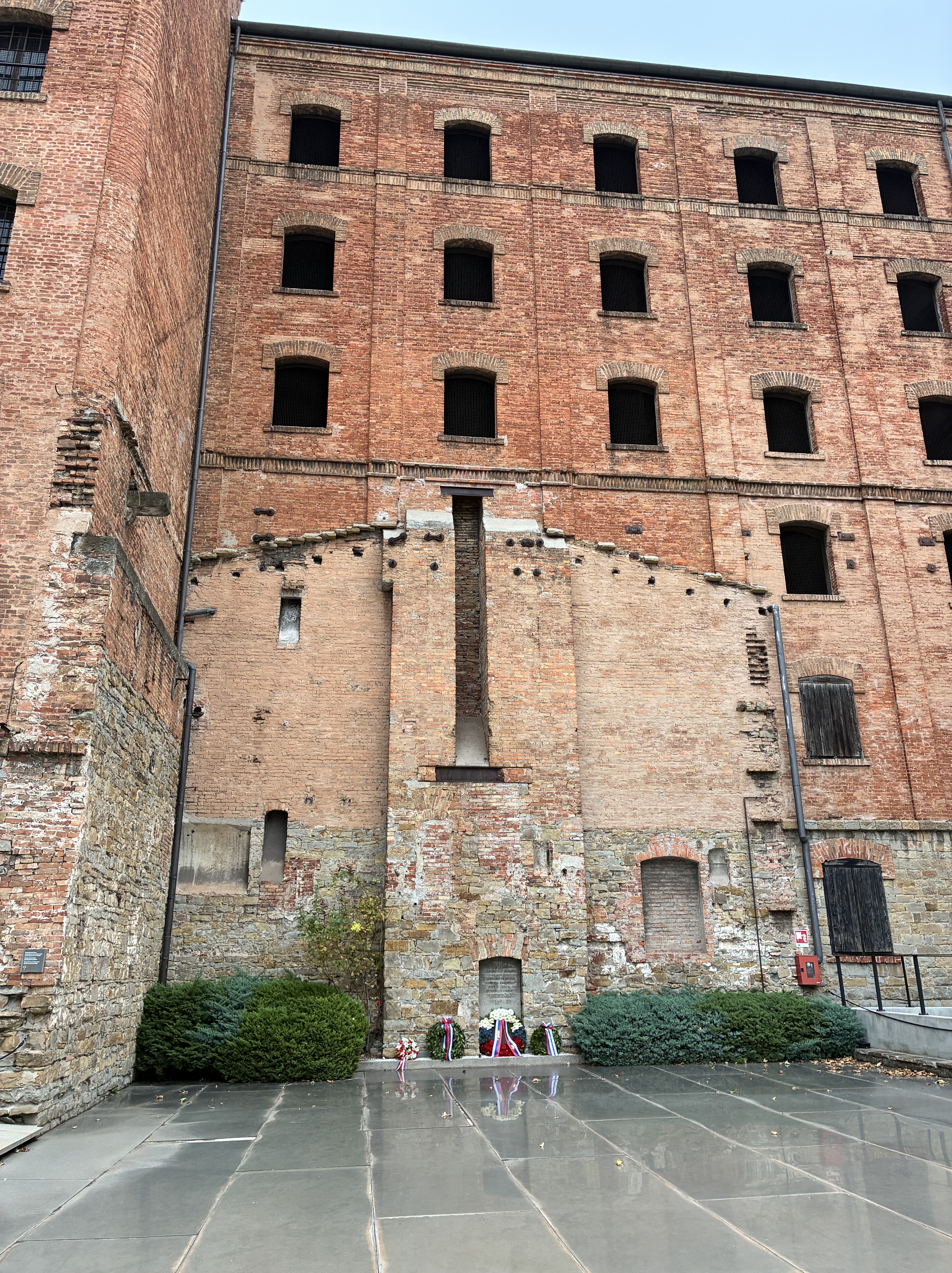
- Above ground is Risiera di San Sabba, a former industrial rice mill that was converted into a Nazi detention camp. It stands as the only camp in Italy that was equipped with a crematorium—ultimately serving as a brutal transit and execution site where partisans, Jews, and political prisoners were murdered.
- Below ground is Kleine Berlin, a vast underground network of tunnels built by the Germans to serve as both air-raid shelter and as a Nazi command center. Of particular interest was the stark contrast between each side of the tunnels: the Italian side was roughly hewn and poorly ventilated, while the German side was finished with concrete, well equipped, and well ventilated (with exhaust fumes flowing directly into the Italian side).
Together, these two sites serve as sobering reminders of how deeply the war shaped Trieste. Naturally, it’s never ‘fun’ to visit places like these when traveling, but I appreciate opportunities to bear witness to the scars that history left behind.
The Triestine “buffet”
On a more ‘fun’ note, we had a gut-bursting time trying the Triestine “buffet,” which isn’t an all-you-can-eat affair like it is at home, but a traditional gastropub that specializes in boiled meat and the hearty comfort food of the region. I mentioned in a previous post that this part of Italy is unique in that it’s a blend of Italian and Central European foods—nowhere is that uniqueness more apparent than in one of these restaurants. I wish pictures could truly capture the jaw-dropping portions:
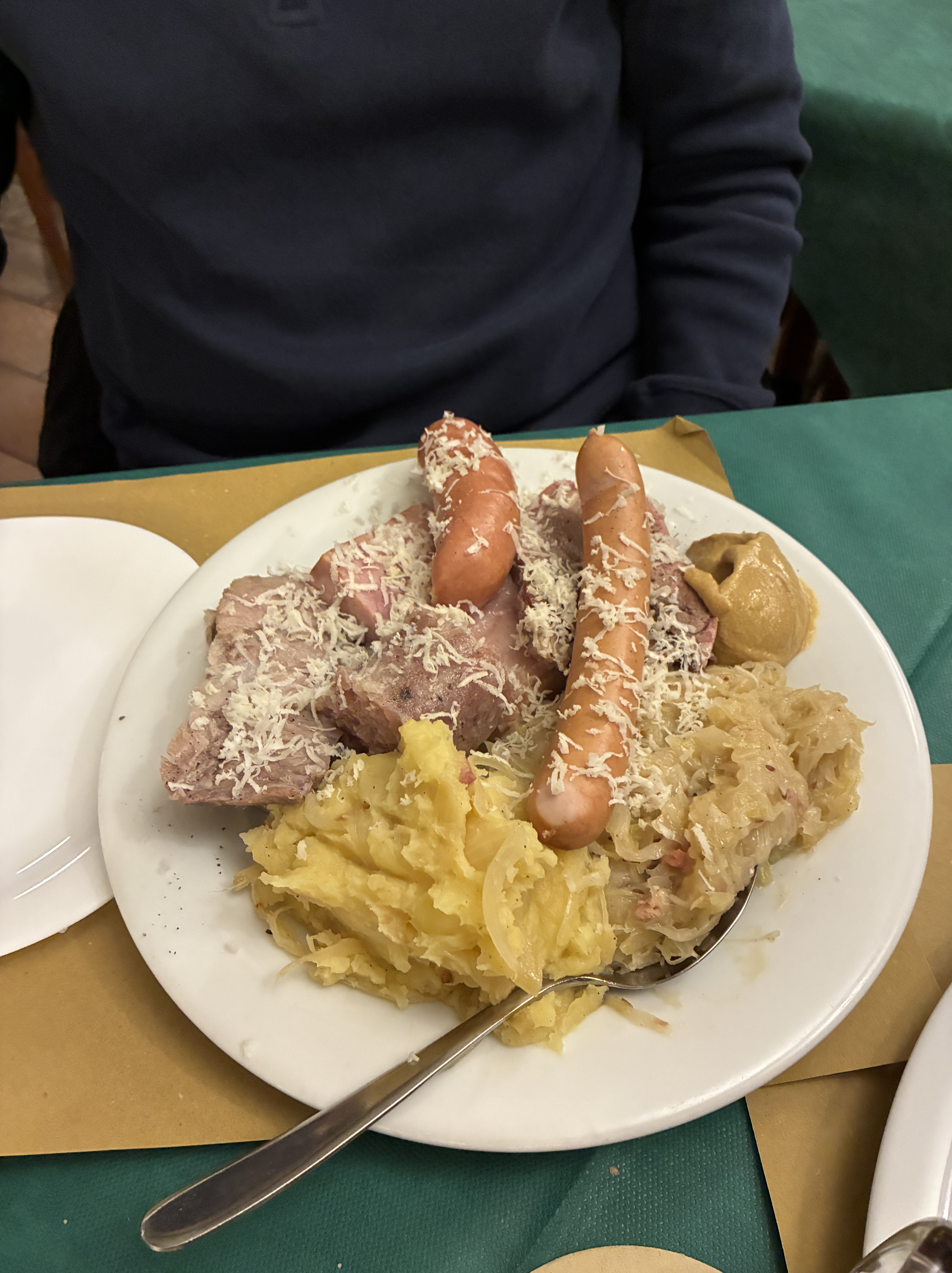
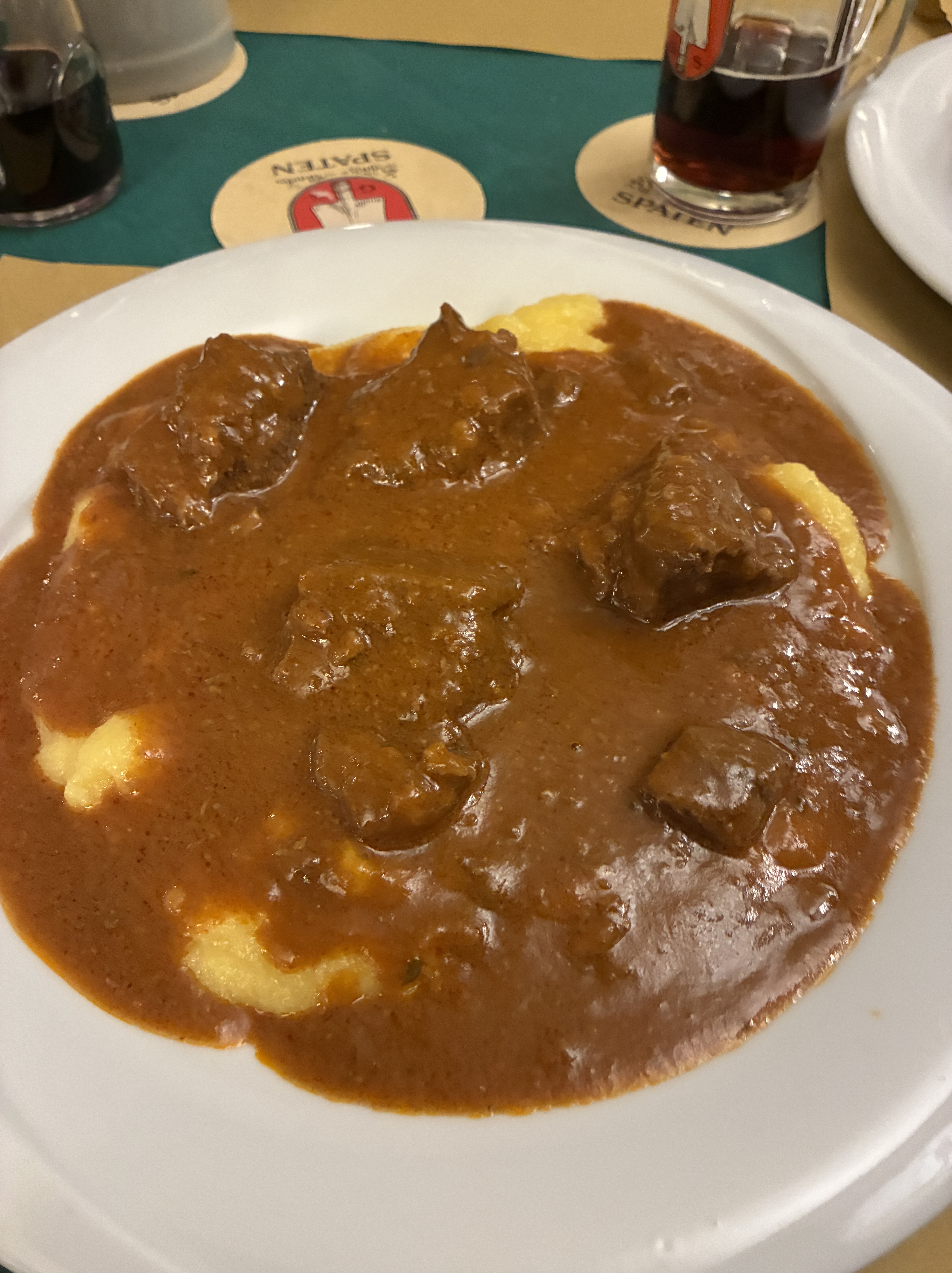
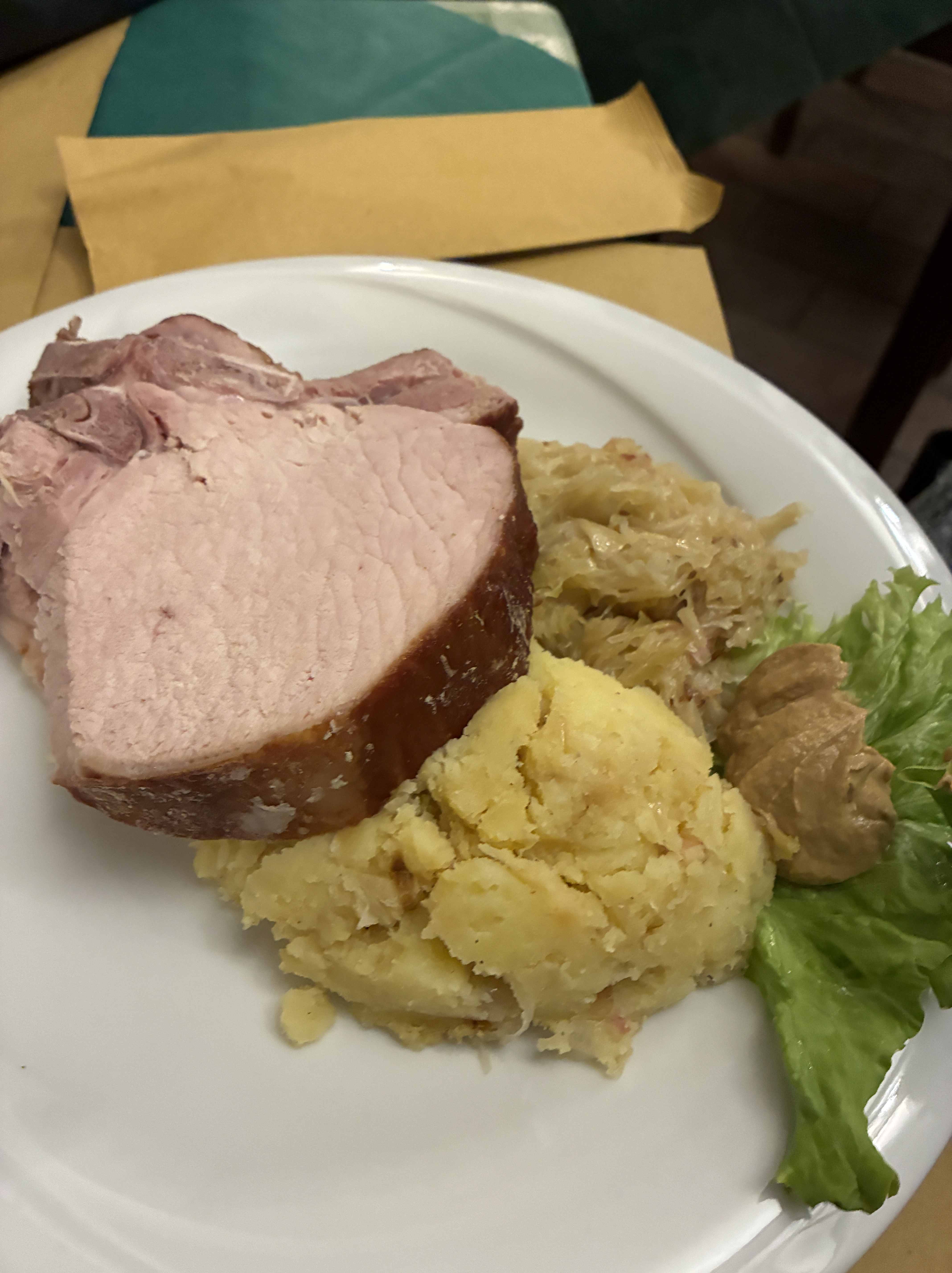
We had a great time at this meal and the food was good, but given the overwhelming size and heaviness of it, we all agreed it was a ‘one-and-done’ experience.
Treviso
After thoroughly exploring Trieste’s food, drink, coffee, and historical sites, we hopped on a train to visit the walled city of Treviso, which is in the Veneto region just 30 minutes north of Venice. It’s the sort of place you go if you love canals and appreciate a blend of medieval and Renaissance Venetian architecture, but you don’t want to be overrun by Venice’s tourists. Treviso boasts 500-year-old walls (stretches of which can still be walked), town gates, and canals that thread past weeping willows and frescoed medieval facades. It’s also the town credited with the creation of tiramisù.
On our first night, the evening’s passeggiata (an Italian tradition of evening strolling and socializing) led us to a unique outdoor “silent concert” where we enjoyed live music that could only be heard using headphones. It was a fun way to kick off several days of sightseeing, which naturally included tiramisù and a thorough exploration of the local cuisine. In Treviso, we explored through the old town, strolled along the canal, visited the Duomo, and appreciated the recently refreshed 14th-century frescoes of the Church of San Nicolò. We also gorged on delicious pasta, seafood, and pizza, and thoroughly enjoyed the wine and Prosecco from regional vineyards. It was truly a food and wine extravaganza.
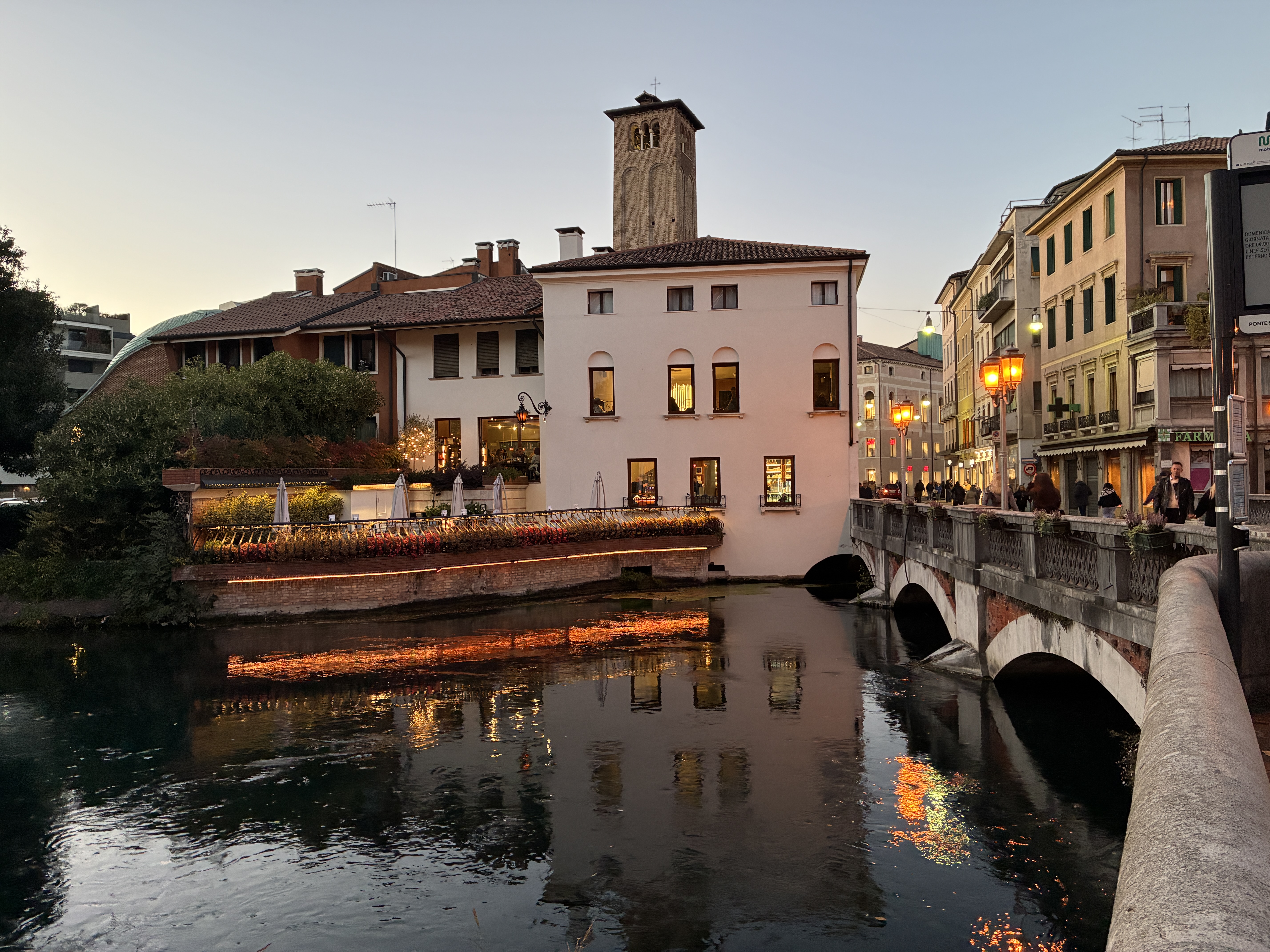
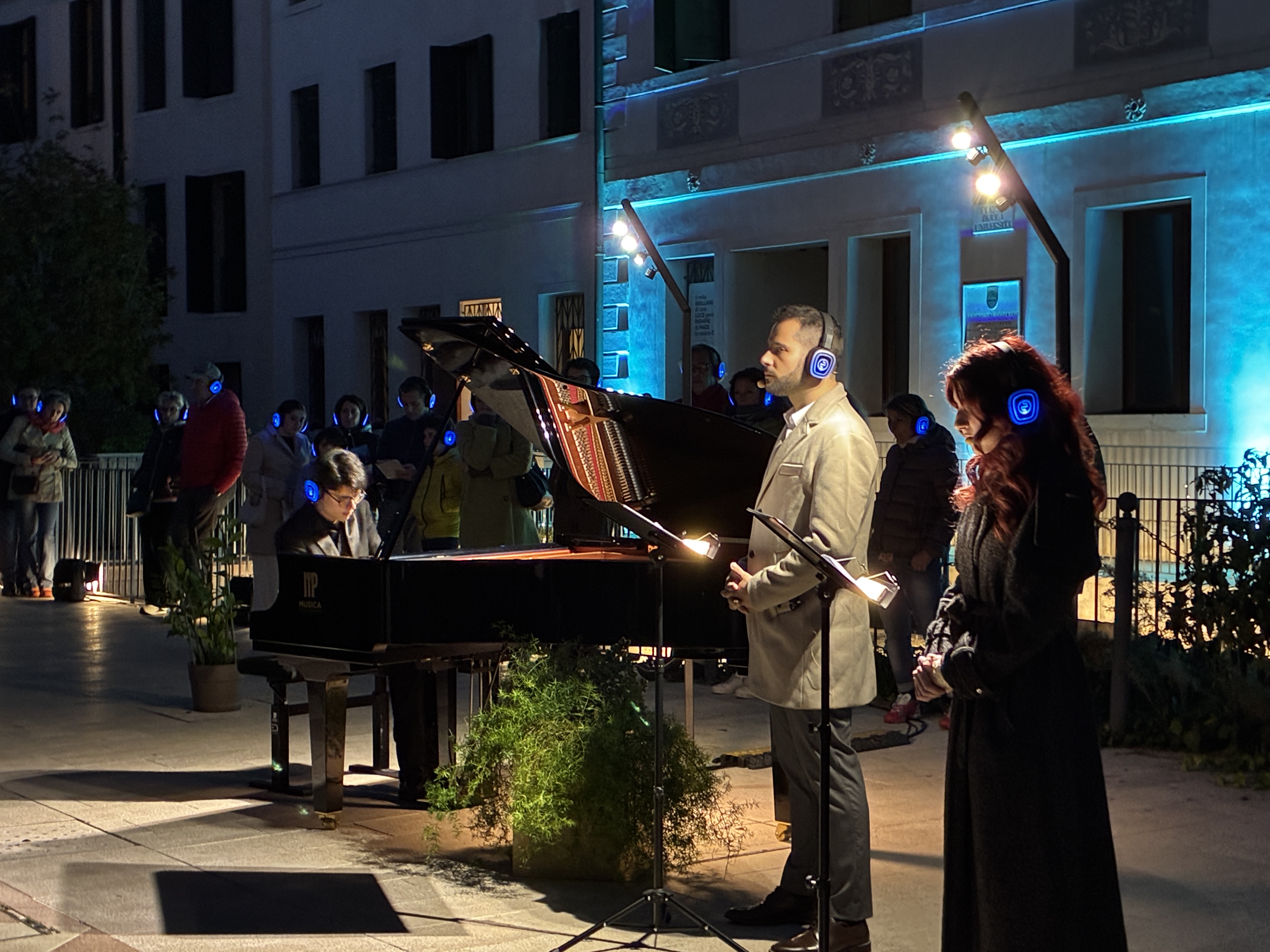
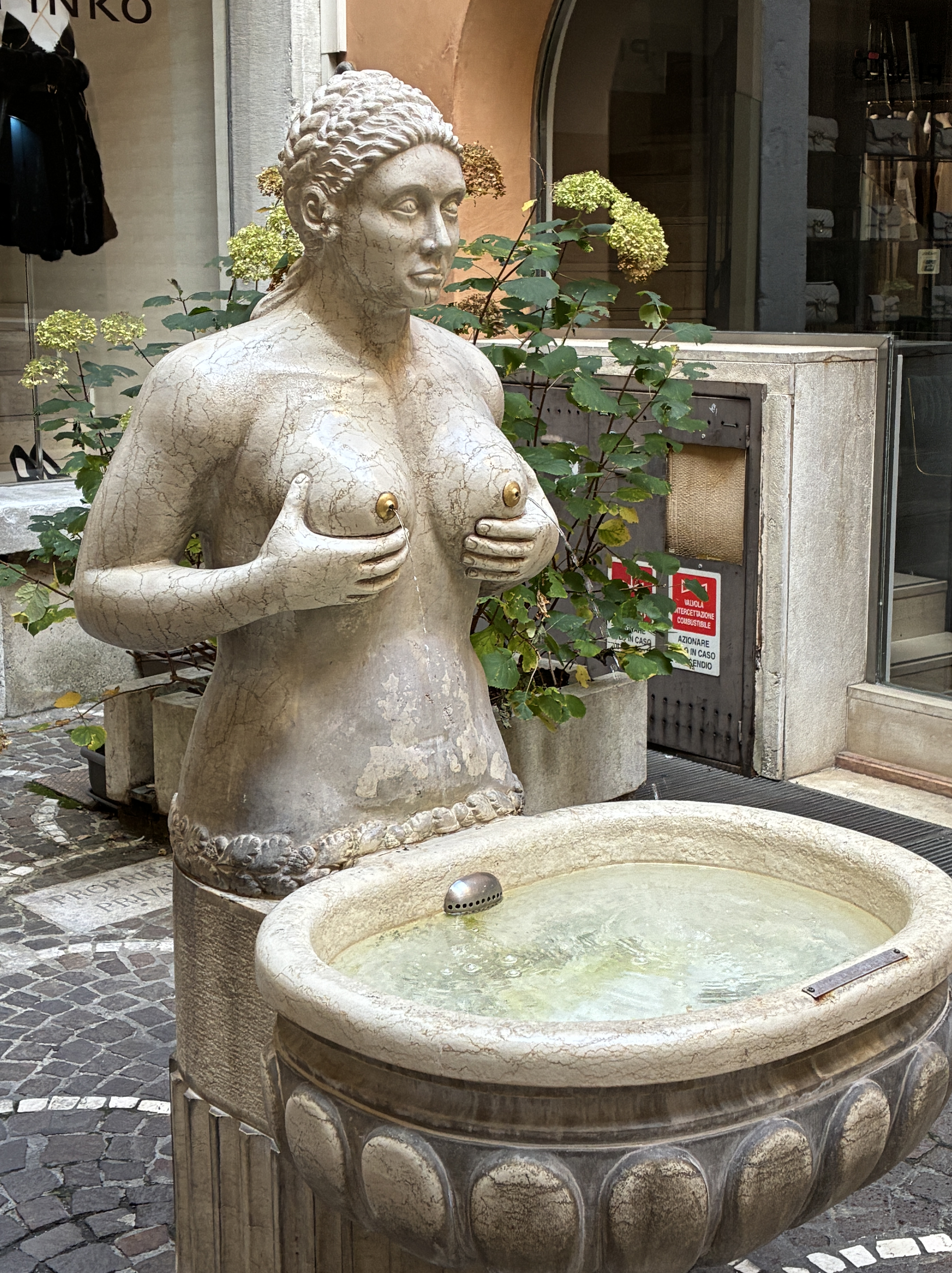
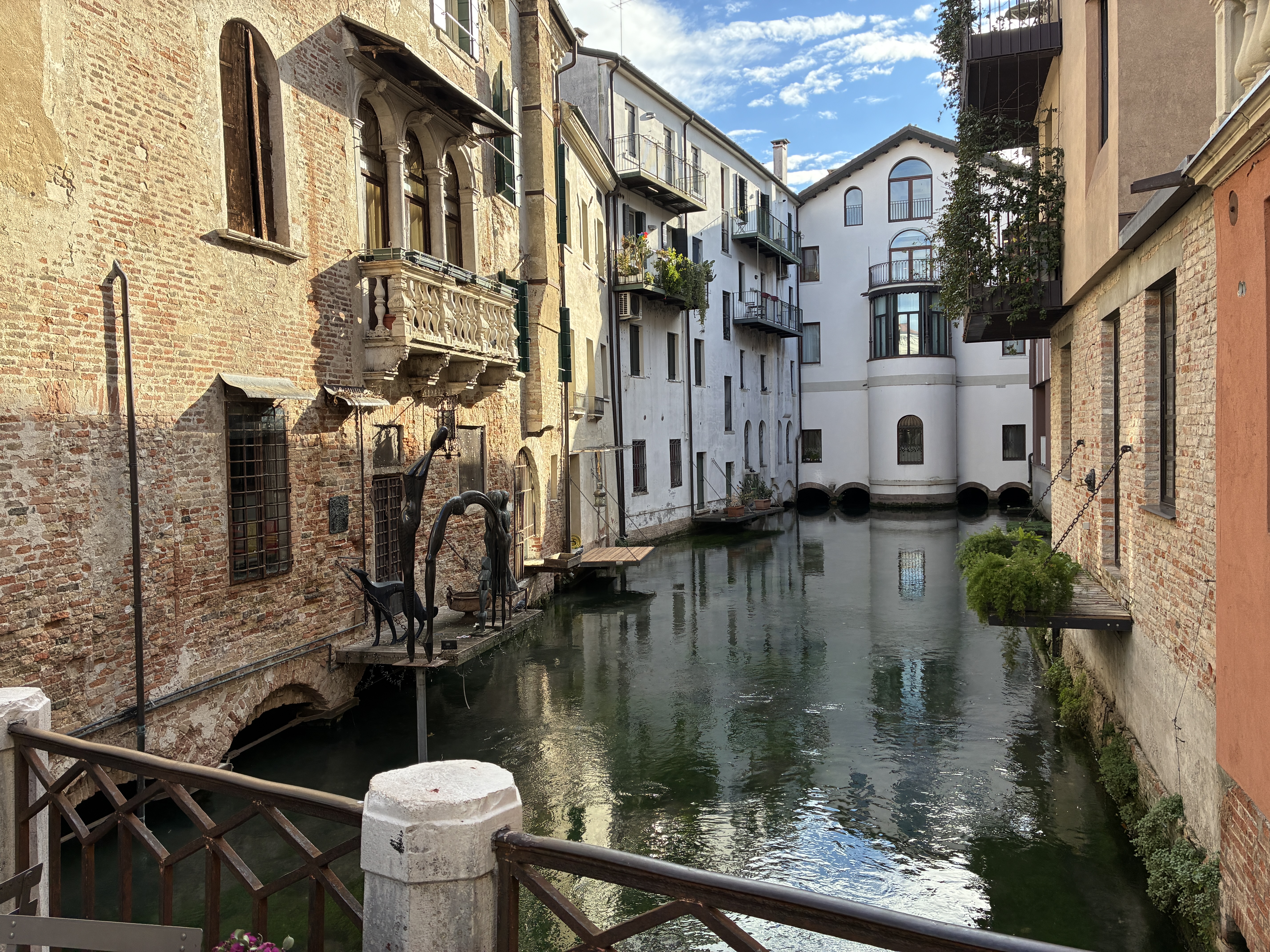
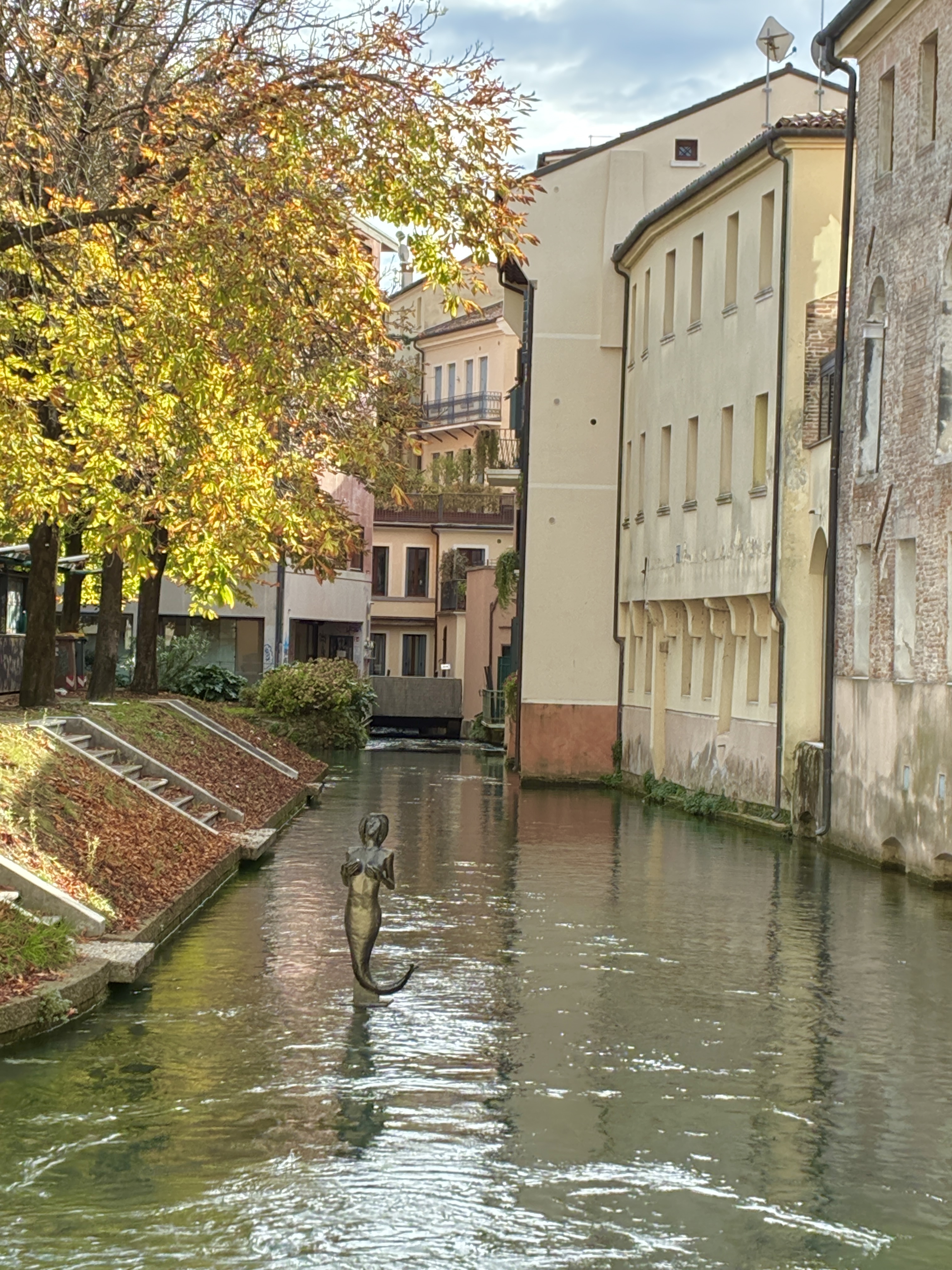
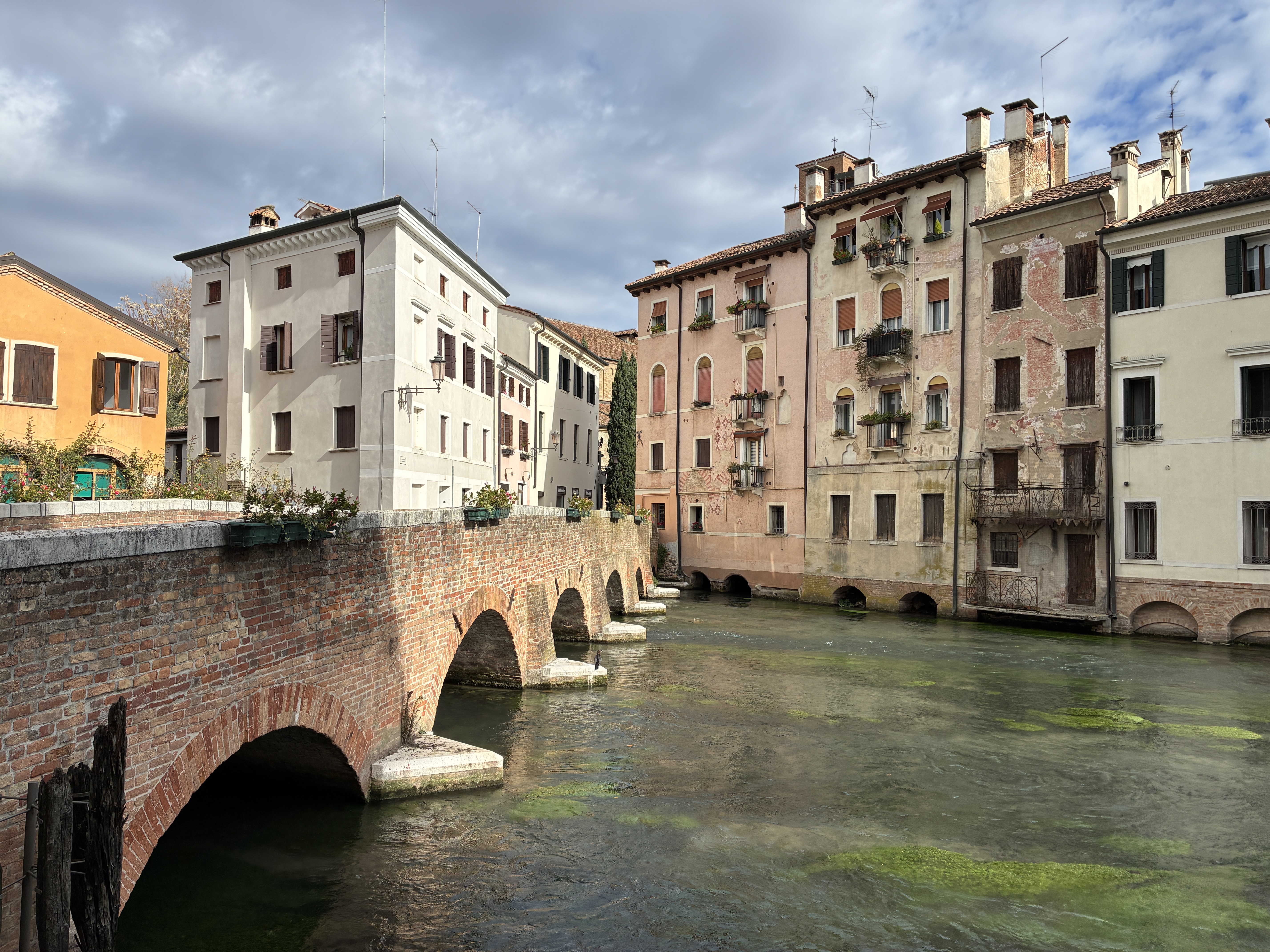
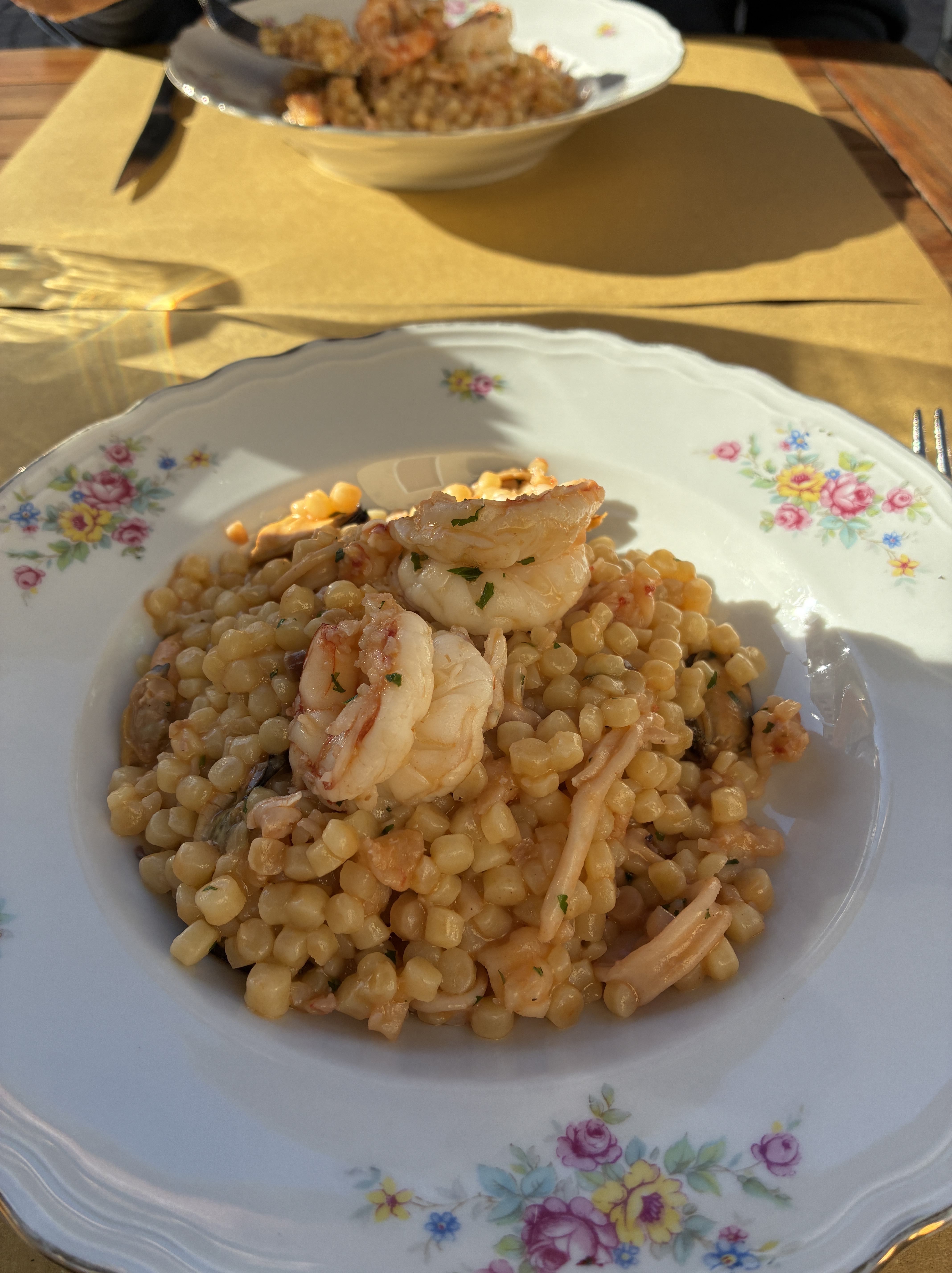
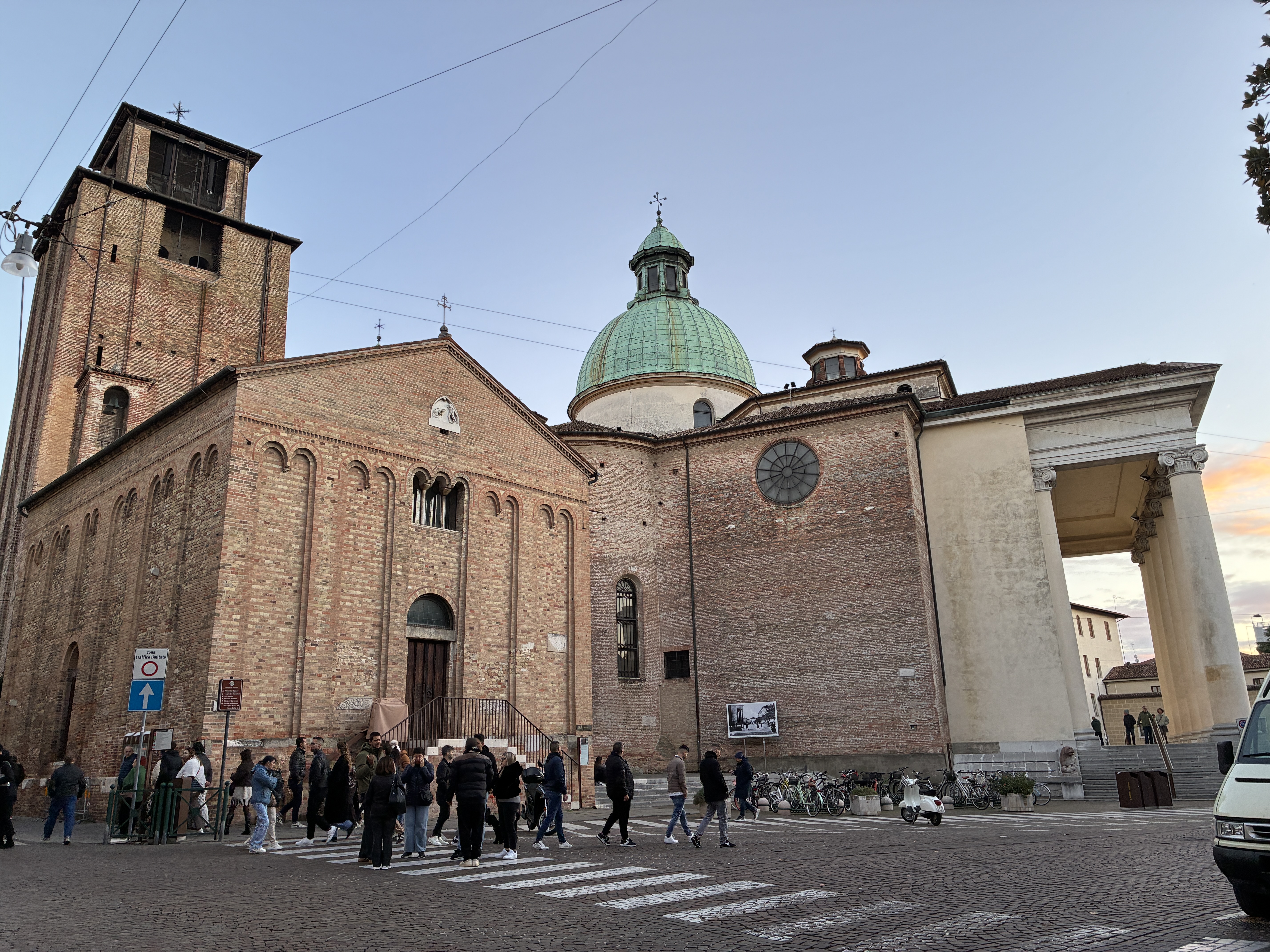
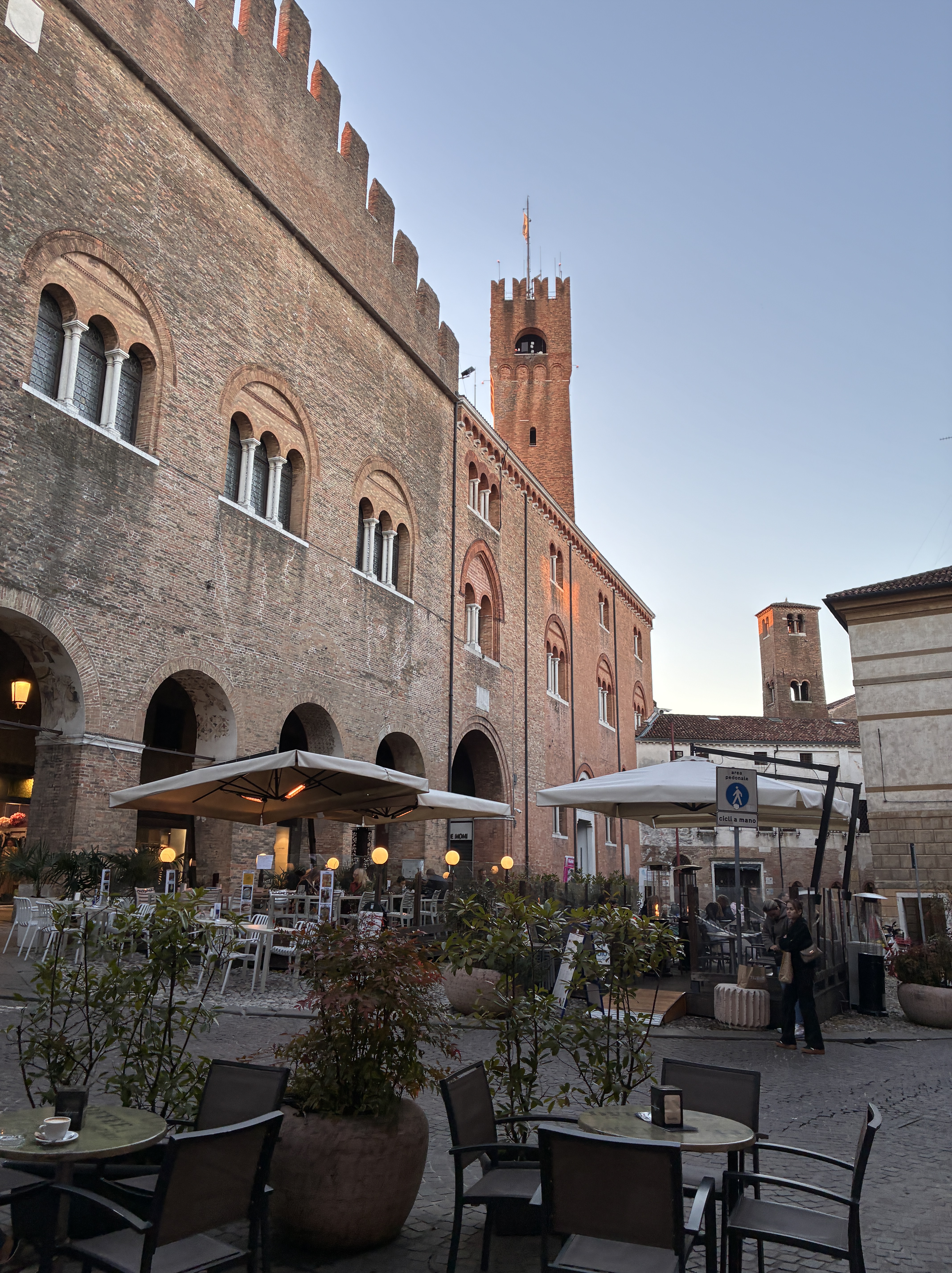
Sadly, Treviso marked the end of my time with Jill and Don. It was a wonderful capstone to our time together and I feel deeply fortunate to have had this opportunity to create new memories with them, but all good things must come to an end. I will miss them, but I know I will see them again next year. For now, it’s time to dial back the food and drink (just a little).
Next stop: Bologna!



Leave a Reply